How to Remove Tough Stains from Clothes: Your Ultimate Guide to Stain Removal
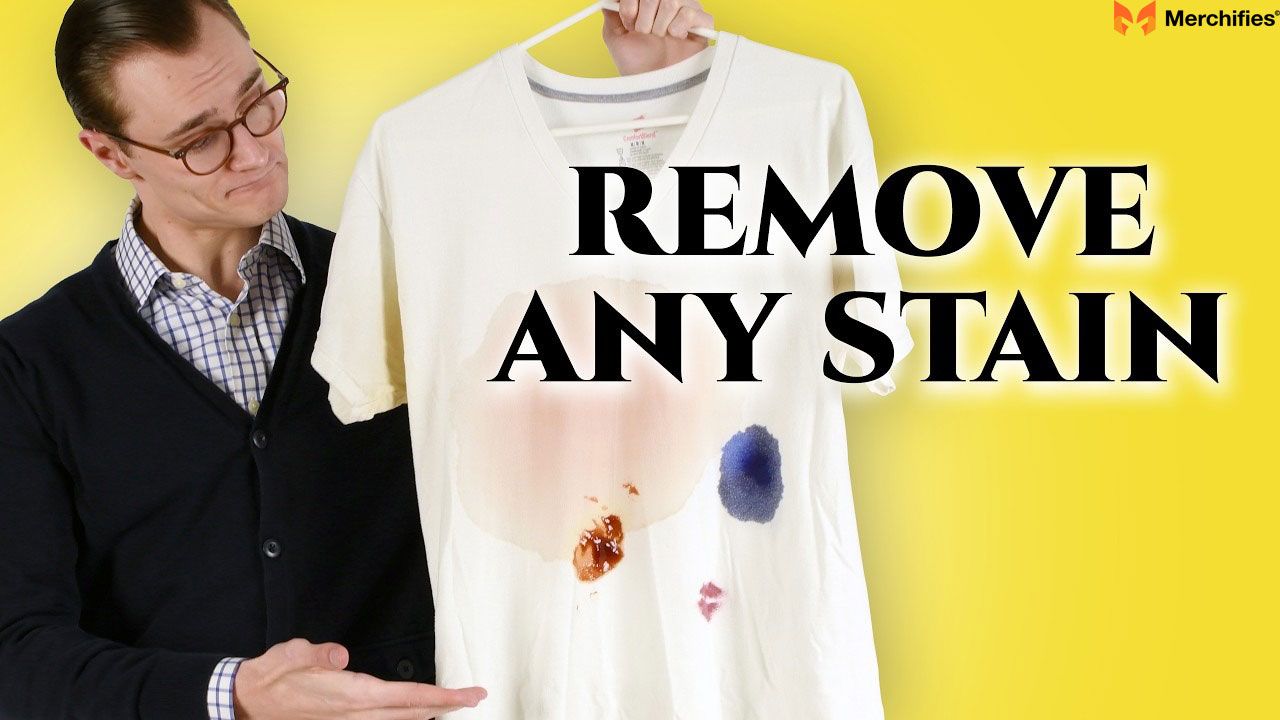
Remove tough stains with targeted treatments: oil/grease needs dish soap, blood requires cold water and hydrogen peroxide, wine needs salt then boiling water, grass stains use rubbing alcohol. Pre-treat 30 mins before washing. For set-in stains, soak overnight in oxygen bleach solution. Always check stain is gone before drying.
Blog Post Contents
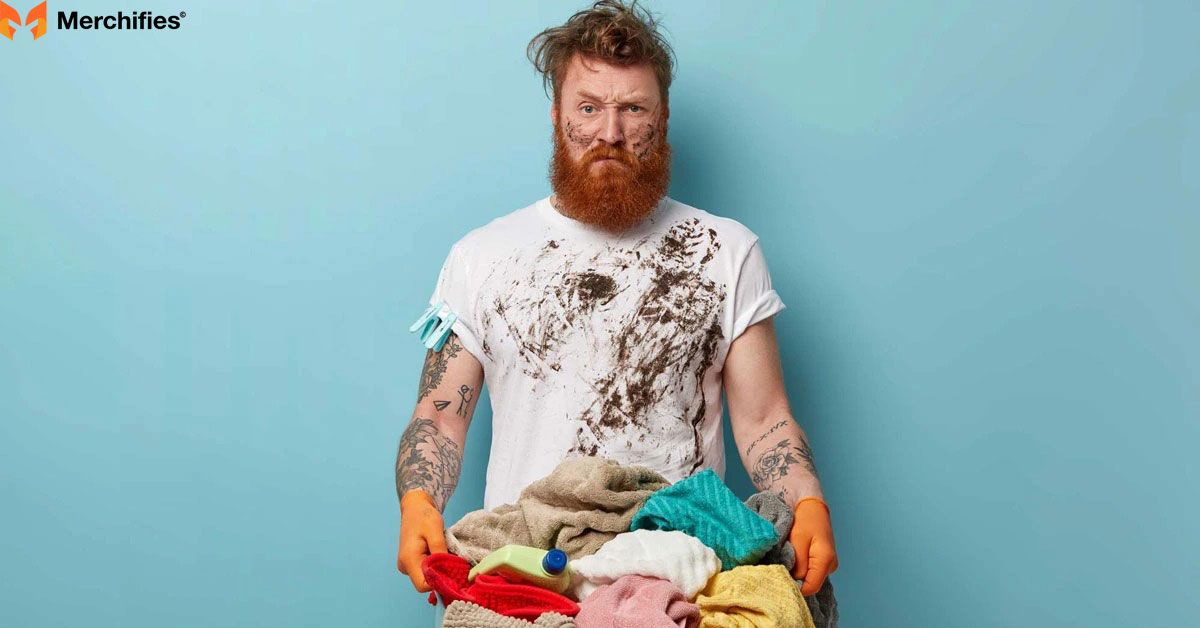
There’s nothing quite like the sinking feeling of discovering a stubborn, set-in stain on your favorite garment. Whether it’s a splash of red wine from last night or a forgotten smudge of grease, not all stains are created equal; some demand a far more persistent and strategic effort. But don't despair! This guide is meticulously crafted to equip you with comprehensive, step-by-step strategies for tackling even the most challenging spots, ensuring your clothes can look their very best again. As a seasoned household management expert, Hannah Gale understands the dread these tenacious marks can cause and is here to share her proven insights into reviving your wardrobe. We'll explore the critical role of quick action, understanding various fabric types, and selecting the right tools and techniques to effectively remove tough stains from clothes.
how to remove tough stains from clothes
Understanding Tough Stains: What Makes Them So Stubborn?
Before you jump into stain removal, it's helpful to understand why some stains cling on with such tenacity. This knowledge forms the foundation of effective laundry hacks and helps you avoid common pitfalls. Learning how to remove tough stains from clothes begins with understanding the enemy.
Factors Influencing Stain Difficulty:
Several elements determine just how challenging a stain will be to remove. The longer a stain sits, the harder it often becomes to dislodge.
Time Elapsed: The absolute golden rule in stain removal is speed. A fresh stain is far easier to tackle than one that has had hours or days to dry and bond with fabric fibers. Once a stain sets in, it becomes deeply embedded, making its molecules far more resistant to conventional cleaning methods.
Stain Type: Not all substances behave the same way on fabric. Oily stains (like grease or lipstick) often repel water, requiring solvents or strong detergents. Protein-based stains (like blood or grass) can coagulate and bond with fibers, necessitating enzyme cleaners. Dye-based stains (like ink or wine) can permanently alter fabric color, while acidic or alkaline stains can damage fibers if not neutralized properly.
Fabric Type: The material of your clothing plays a crucial role. Natural fibers like cotton and linen are highly absorbent and can soak up stains quickly, but they are also generally durable. Synthetics like polyester might repel some stains but can be sensitive to heat and certain chemicals. Delicates like silk and wool require gentle handling and specific products to avoid damage or shrinkage. Always check the care label!
Heat Exposure: This is a major no-no. Exposing a stained garment to heat, whether through a hot water wash or, worse, a clothes dryer, can permanently set the stain. Heat causes the stain molecules to chemically bond with the fabric fibers, turning a challenging spot into a seemingly impossible one. Always ensure a stain is completely gone before drying.
Understanding Tough Stains: What Makes Them So Stubborn?
Essential Tools & Products for Your Tough Stain Removal Kit
Having the right arsenal of products on hand is key to winning the battle against stubborn spots. A well-stocked stain removal guide includes both basic supplies and specialized cleaning agents.
Basic Supplies:
These everyday items are indispensable for any stain emergency. They are your first line of defense when you need to remove tough stains from clothes.
Clean White Cloths or Paper Towels: Essential for blotting fresh stains, preventing color transfer, and applying cleaning solutions. Using white prevents dyes from the cloth transferring to your garment.
Soft-Bristled Brush (Old Toothbrush): Perfect for gently agitating cleaning solutions into fabric fibers without causing damage. An old toothbrush can work wonders on specific stain types.
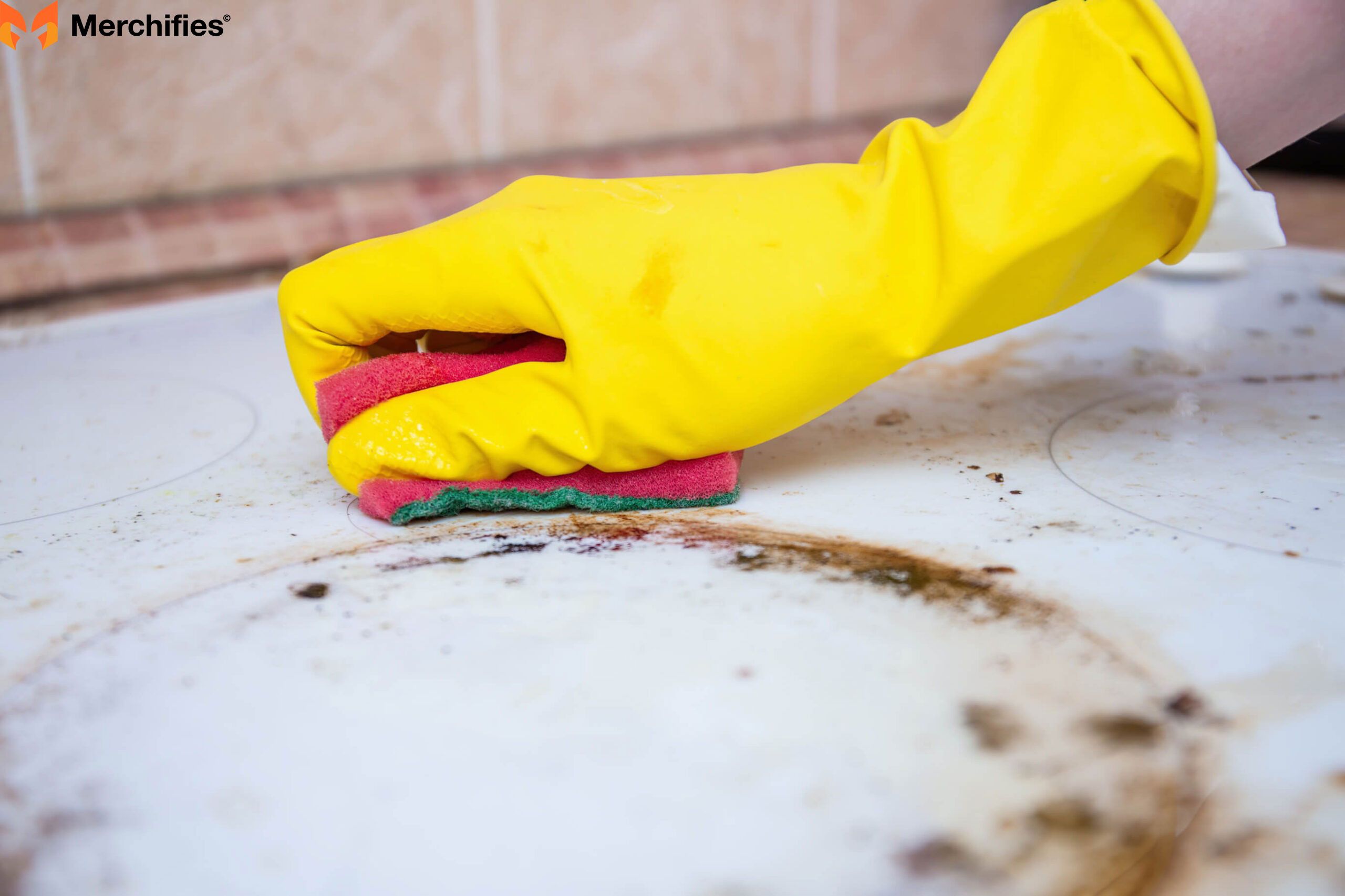
Gloves: Protect your hands from harsh chemicals and keep them clean during messy stain treatments.
Bowl or Bucket for Soaking: Necessary for pre-soaking garments and for creating solutions for tougher, dried stains.
Go-To Stain Removers:
These specialized products target different types of stains effectively. Understanding their uses is a critical laundry hack.
Enzyme-based Pre-treaters: Products like Shout, Resolve, or Zout contain enzymes that break down protein-based and organic stains (blood, grass, food, baby formula). Hannah Gale often emphasizes these for their ability to digest stain molecules, making them easier to wash away.
Oxygen Bleach (e.g., OxiClean): A fantastic color-safe bleaching agent that lifts stains and brightens fabrics without damaging colors. It's excellent for general brightening and soaking persistent stains. Always ensure color-safe use by patch testing.
Heavy-Duty Laundry Detergent: A high-quality, concentrated liquid detergent can serve as an effective pre-treater for many stains. Its potent cleaning agents help break down and suspend dirt and oils.
Solvents (e.g., Rubbing Alcohol, Dry-Cleaning Fluid, Goo Gone): These are powerful for dissolving oil-based and ink stains. Use with strong cautions: always patch test, ensure good ventilation, and understand that they can damage certain synthetic fabrics or dyes. Goo Gone, for instance, is highly effective on grease but must be used judiciously.
Go-To Stain Removers
Acidic Solutions (e.g., White Vinegar, Lemon Juice): White vinegar is excellent for neutralizing odors, removing mildew, and tackling some dye-based stains. Lemon juice, often combined with salt and sunlight, can lighten rust stains. Cautions: can bleach certain fabrics or cause fading, especially in direct sunlight.
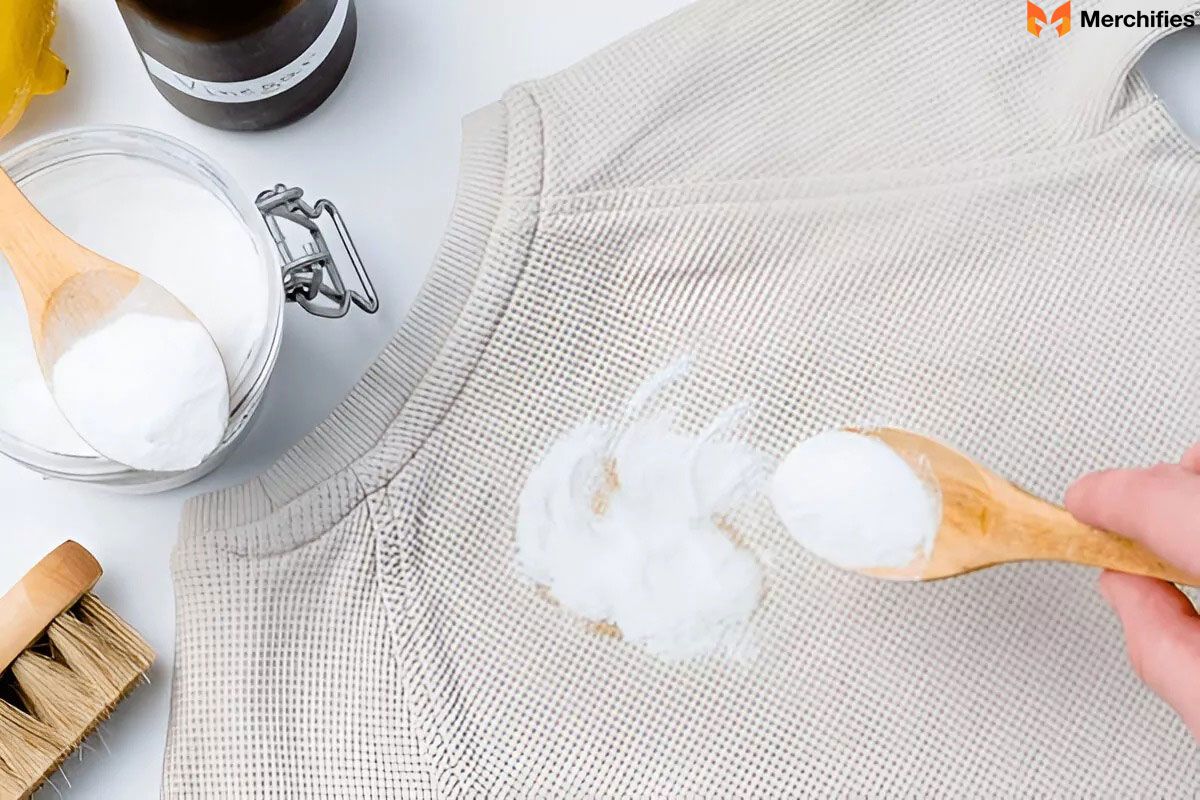
Alkaline Solutions (e.g., Baking Soda Paste): Baking soda is a mild abrasive and deodorizer, great for absorbing odors and lifting greasy stains when applied as a paste.
Hydrogen Peroxide: A mild bleaching agent, typically used for lightening and disinfecting. It's effective on blood and some organic stains. Cautions: can bleach dark fabrics, so always patch test.
General Strategies for Tackling Any Tough or Unknown Stain
When you're faced with an unknown or particularly stubborn mark, a systematic approach is your best bet for learning how to remove tough stains from clothes. These general principles are applicable across the board.
Act Fast (The Golden Rule):
Immediate action significantly increases your chances of successful stain removal. The sooner you treat a spill, the less time it has to bond with the fabric.
Blot, Don't Rub: Rubbing a stain can spread it, push it deeper into the fabric fibers, and even damage the fabric itself. Instead, gently blot the stain from the outside in with a clean white cloth or paper towel. This technique helps absorb the liquid and prevents further spreading.
Remove Excess: For solid or semi-solid stains (like mud, food particles, or thick grease), gently scrape off any excess material with a dull knife or the edge of a spoon. For liquids, blot as much as possible before applying any cleaning agents.
General Strategies for Tackling Any Tough or Unknown Stain
Identify & Test First:
Before reaching for the strongest cleaner, take a moment to assess the situation.
Identify the Stain Type (If Possible): Knowing if it's oil, protein, dye, or a combination will guide your choice of stain remover. For example, knowing it's a grease stain immediately tells you to avoid water initially and opt for an absorbent or solvent.
Check Fabric Care Labels: Always consult the garment's care label for fiber content and washing instructions. This tells you if it's washable, dry-clean-only, or has special temperature requirements.
Perform a Patch Test for Colorfastness: Before applying any stain remover to the visible area, test it on an inconspicuous spot (like an inside seam or hem). Apply a small amount, wait a few minutes, and blot to ensure no discoloration or damage occurs. This step, Hannah Gale emphasizes, is non-negotiable for preserving your garment.
The Pre-Treatment & Soaking Method:
For tough stains, simply throwing the item in the wash usually isn't enough. Pre-treatment is crucial.
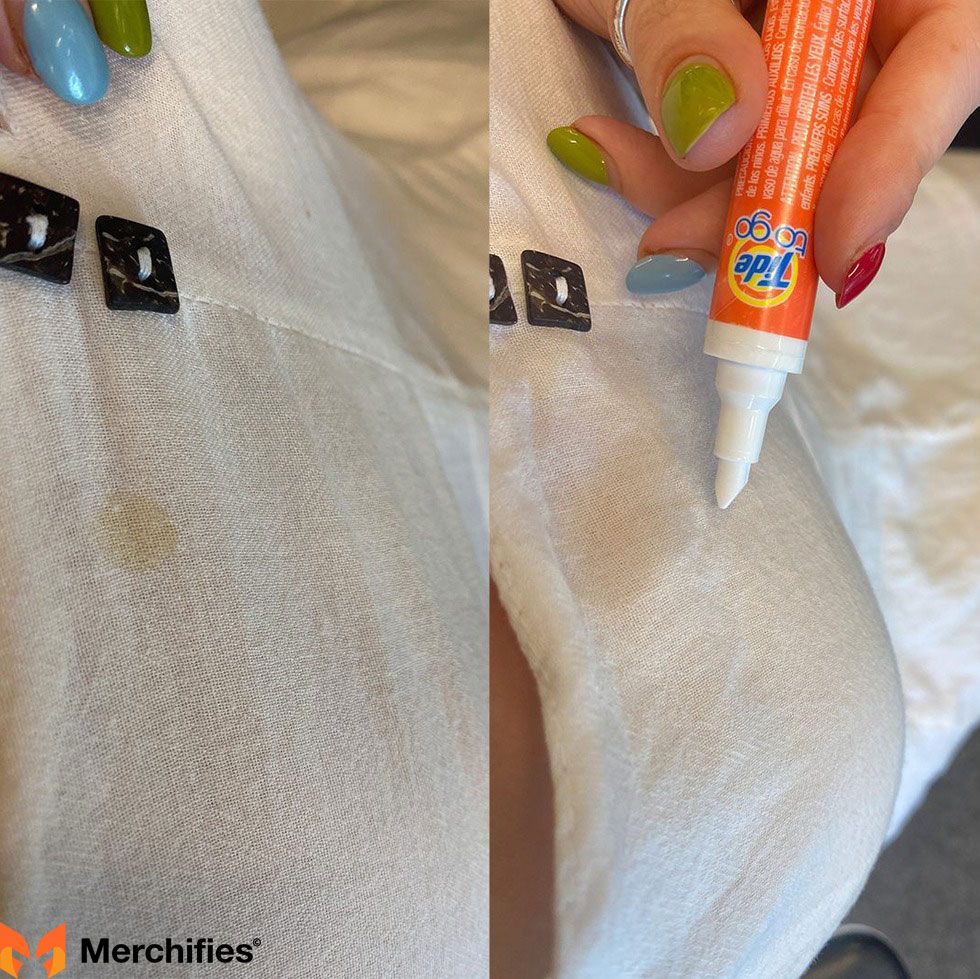
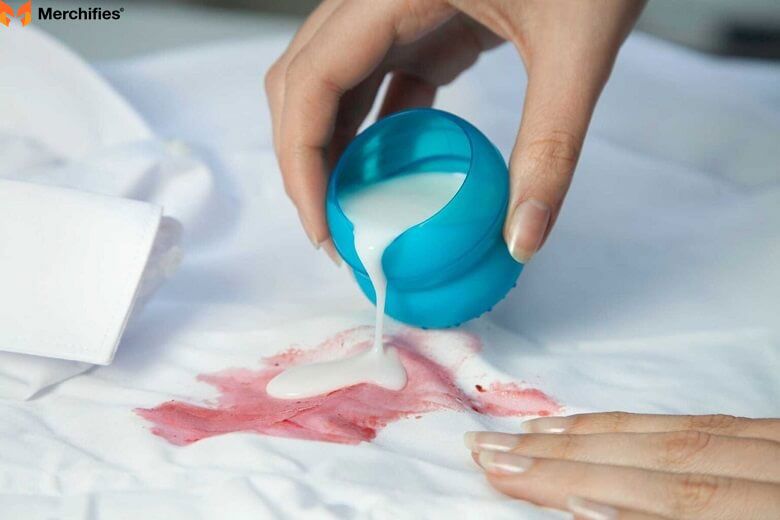
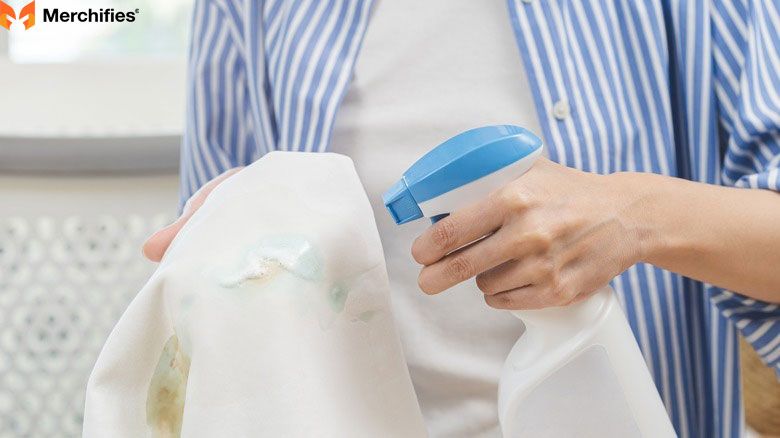
Apply a Suitable Pre-treater or Detergent Directly: Generously apply your chosen stain remover or a small amount of heavy-duty liquid laundry detergent directly onto the stain. Ensure it saturates the stain completely.
Gentle Agitation/Scrubbing with a Brush: Using a soft-bristled brush or your fingers, gently work the pre-treater into the stained area. This helps the product penetrate the fibers and break down the stain.
Soaking Solutions: For dried or particularly stubborn stains, soaking can make a huge difference.
Warm vs. Cold Water: Use cold water for protein stains (blood, grass) and most dye-based stains. Warm or hot water can be effective for oily or heavily soiled items, but only if the stain is known not to be heat-setting.
Oxygen Bleach Solution: For color-safe items, a soak in a solution of oxygen bleach (following package directions) can work wonders overnight.
Enzyme Soak: For heavily soiled protein stains, an enzyme pre-treater dissolved in water for several hours or overnight can be highly effective.
The Pre-Treatment & Soaking Method
Washing & Inspecting (Before Drying):
This step is arguably the most critical for successfully removing tough stains from clothes.
Wash According to Fabric Instructions: After pre-treating and/or soaking, wash the garment in your washing machine using a high-quality laundry detergent. Use the hottest water temperature safe for the fabric, as indicated on the care label.
Crucial: Check if the Stain is Completely Gone Before Drying: This cannot be stressed enough. After the wash cycle, do not put the item in the dryer until you are certain the stain is gone. Visually inspect the garment, ideally in good light. Heat from the dryer will permanently set any remaining stain, making it virtually impossible to remove later.
Repeat Treatment if Necessary: If traces of the stain remain, repeat the pre-treatment and washing steps. Patience is key!
Specific Guides: How to Remove the Toughest Stains from Clothes
Now, let's dive into the specifics. Here’s a detailed guide for common tough stains, offering targeted solutions and important cautions, essential for anyone needing a detailed stain removal guide.
Blood Stains (Fresh & Dried)
Blood stains, especially dried ones, can be quite challenging due to their protein content.
Fresh: Immediately flush the area with cold water from the back of the fabric. Then, apply hydrogen peroxide directly to the stain on white fabrics (test on colors first!) and blot. A cold water soak with a little salt can also help.
Dried: Soak the garment in cold water with an enzyme-based pre-treater for several hours or overnight. You can also make a paste of baking soda and cold water, apply it, let it sit, then rinse.
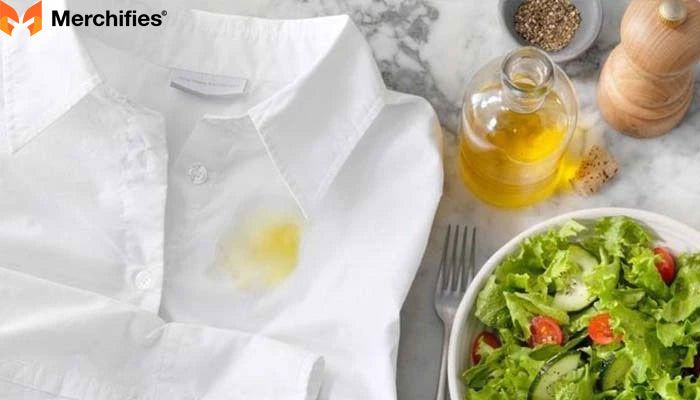
Grease & Oil Stains (Cooking Oil, Car Grease, Lipstick)
These stains are notorious for their oil-repelling nature.
Absorb excess: For fresh stains, sprinkle cornstarch, talcum powder, or baking soda generously over the stain. Let it sit for at least 15-30 minutes to absorb the oil, then brush it off.
Dish soap: Apply a liberal amount of grease-cutting dish soap (like Dawn) directly to the stain and gently rub it in. Let it sit for 5-10 minutes, then rinse with warm water and wash normally.
For truly tough grease: Solvents like dry-cleaning fluid or Goo Gone can work, but extreme caution is advised. Always patch test in an inconspicuous area, ensure excellent ventilation, and follow product instructions precisely. Hannah Gale suggests reserving these for last resorts due to their potency.
Grease & Oil Stains (Cooking Oil, Car Grease, Lipstick)
Red Wine & Berry Stains
These dye-based culprits require swift action.
Salt immediate application: For fresh red wine, blot up as much as possible, then immediately cover the stain with a thick layer of table salt. Let it sit for 5-10 minutes to absorb the wine, then rinse.
Boiling water pour-through method: For sturdy, colorfast fabrics, stretch the stained area over a bowl and pour boiling water through the stain from a height of 1-2 feet. This method helps flush the dye.
White vinegar/detergent mix: Mix equal parts white vinegar and liquid laundry detergent. Apply, gently rub, let sit for 10-15 minutes, then wash.
Oxygen bleach soak: For persistent stains, an oxygen bleach solution soak (as directed on the product) is often effective.
Ink Stains (Ballpoint & Permanent Marker)
Ink stains can be tricky depending on the ink type.
Rubbing alcohol, hand sanitizer, hairspray: Place a clean white cloth under the stain. Apply rubbing alcohol, hand sanitizer, or aerosol hairspray directly to the ink. Blot the stain from the top down, constantly moving to a clean section of the cloth underneath to absorb the ink. Do not rub, as this can spread the stain.
For permanent marker: Specialized products like Amodex are designed for this. While milk is sometimes suggested, its effectiveness is often limited, especially on set-in permanent marker.
Grass & Mud Stains
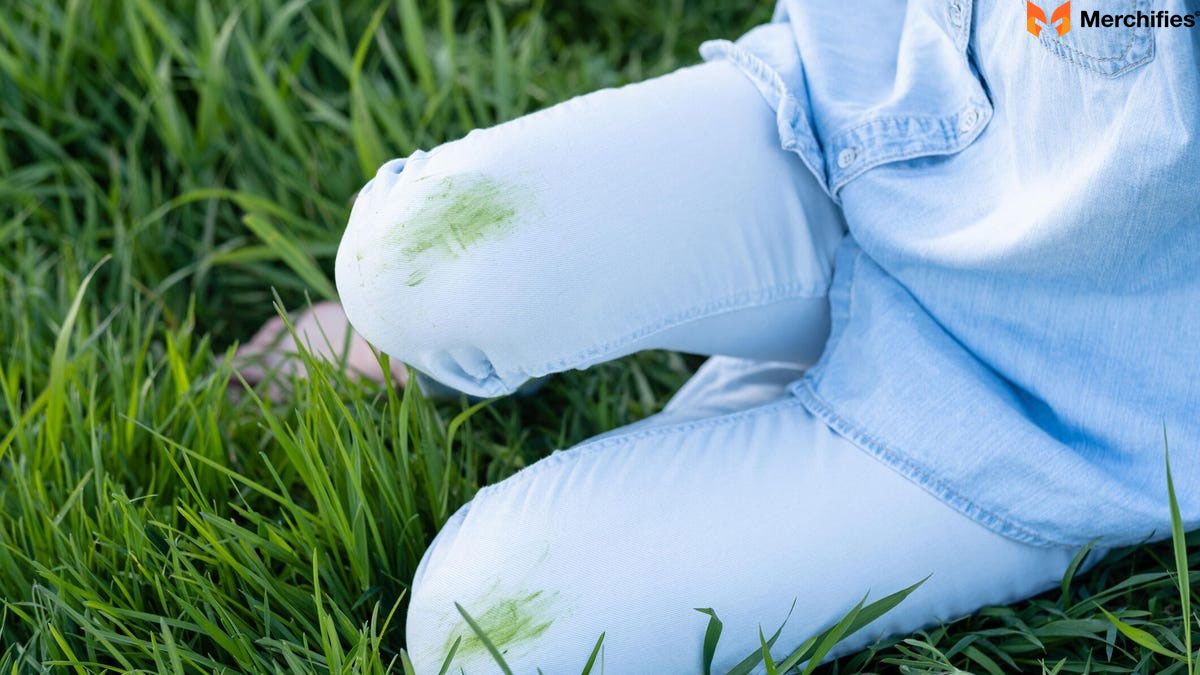
These often contain a mix of chlorophyll (dye) and dirt.
Let mud dry, then brush off: For mud, allow it to dry completely. Once dry, brush off as much loose dirt as possible before attempting any liquid treatment.
Enzyme pre-treater, heavy-duty detergent: Apply an enzyme pre-treater or heavy-duty liquid laundry detergent directly to the grass or remaining mud stain. Gently work it in with a brush. Let it sit for 15-30 minutes before washing.
Vinegar soak for grass: For persistent grass stains, a soak in a solution of white vinegar and water can help break down the chlorophyll.
Grass & Mud Stains
Coffee & Tea Stains
Tannin-based stains that often leave a yellowish-brown mark.
Cold water flush: Immediately flush the stain with cold water from the back of the fabric.
White vinegar/baking soda paste: For stubborn marks, apply a paste of baking soda and a few drops of white vinegar. Let it sit for a few minutes before rinsing and washing.
Oxygen bleach soak: For dried coffee or tea, an overnight soak in an oxygen bleach solution is highly effective.
Rust Stains
Rust can be particularly challenging as it's a mineral stain.
Lemon juice and salt: Dampen the stain with water, then apply lemon juice and sprinkle salt generously over the area. Allow it to sit in direct sunlight for an hour or two. The acid in the lemon and the sun's heat help break down the rust. Caution: can cause fading on colored fabrics.
Commercial rust remover: Products like Iron Out are specifically designed for rust. Strong cautions: these are very powerful chemicals. Use in a well-ventilated area, wear gloves, and follow product instructions carefully. They can damage certain fabrics.
Mildew & Mold Stains
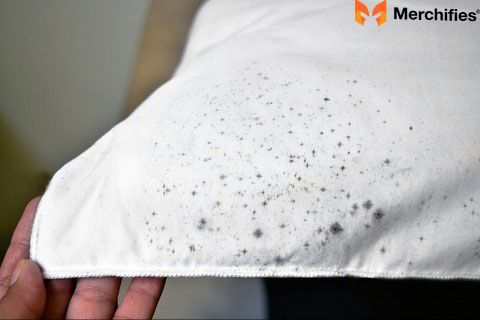
These are living organisms and can damage fabric fibers and cause odors.
Vinegar solution soak: Soak the affected garment in a solution of white vinegar and water (1:1 ratio) for several hours. Vinegar helps kill mold spores and remove the musty smell.
Oxygen bleach or chlorine bleach: For color-safe whites, an oxygen bleach soak is effective. For pure white, sturdy cotton or linen, a diluted chlorine bleach solution can be used (1/4 cup bleach per gallon of water) – extreme caution is needed, ensure good ventilation, and never mix bleach with other cleaners.
Sunlight exposure: After treatment, hang the item in direct sunlight. UV rays help kill remaining spores and naturally bleach out residual stains.
Mildew & Mold Stains
Turmeric & Curry Stains
These vibrant spices leave intensely yellow-orange stains.
Sunlight exposure is surprisingly effective: After a basic wash, hang the garment in direct sunlight. The UV rays can significantly fade or remove the yellow pigment.
Glycerine + dish soap: Apply a mixture of glycerine and dish soap to the stain, let it sit for a few minutes, then rinse and wash.
Oxygen bleach soak: For persistent stains, an oxygen bleach soak is often necessary.
Chewing Gum
Sticky and seemingly impossible to remove.
Freezing: Place ice cubes directly on the gum until it hardens completely. Alternatively, place the garment in a plastic bag and put it in the freezer for several hours. Once frozen, the gum becomes brittle and can be scraped off with a dull knife.
Peanut butter or oil: For remaining residue, rub a small amount of peanut butter or cooking oil over the gum. The oil helps break down the gum's stickiness. Scrape it off, then treat the oily residue with dish soap before washing.
Lighter fluid: Use extreme caution, ventilation, and flammability warnings. A tiny amount of lighter fluid can dissolve gum, but this is a very last resort due to safety risks.
Advanced Tips & Troubleshooting for Stubborn Stains
Even with the best efforts, some stains put up a real fight. Don't give up just yet!
When to Seek Professional Help:
Sometimes, the best solution for how to remove tough stains from clothes is to hand it over to the experts.
Delicate or Dry-Clean-Only Fabrics: Silk, wool, rayon, or garments explicitly marked "dry-clean only" are often best handled by a professional dry cleaner. Their specialized solvents and equipment can remove stains without damaging delicate fibers.
Expensive Garments: If you have a high-value item, the cost of professional cleaning is often worth the peace of mind compared to risking damage.
Stains That Won't Budge After Multiple Attempts: If you've tried several methods and the stain remains, a professional might have stronger chemicals or techniques at their disposal.
When to Seek Professional Help
Fabric-Specific Cautions:
Understanding your fabric is paramount to preventing further damage.
Silk & Wool: These natural protein fibers are delicate. Avoid harsh chemicals, hot water (which can cause shrinkage), and excessive agitation. Use gentle, pH-neutral cleaners and cool water.
Synthetics: Polyester, nylon, and acrylic can be sensitive to high heat and strong solvents. Always patch test and use lower temperatures.
Dark/Bright Colors: Always perform a patch test on an inconspicuous area before applying any stain remover to dark or brightly colored garments, as there's a risk of color fading or bleaching.
The Importance of Rinsing Thoroughly:
After treating a stain, always ensure you rinse the area completely. Residual cleaning agents can attract dirt, yellow over time, or even degrade fabric fibers. A thorough rinse before washing is crucial to prevent further issues.
The Importance of Rinsing Thoroughly
Prevention is the Best Stain Remover
While knowing how to remove tough stains from clothes is a valuable skill, avoiding them altogether is even better!
Quick Clean-Ups of Spills: The moment a spill happens, take immediate action. Blotting quickly can prevent a small mishap from becoming a set-in stain.
Wearing Aprons or Protective Clothing During Messy Tasks: Cooking, gardening, or working on crafts? Don an apron or old clothes to shield your everyday wear.
Treating Clothes with Stain Repellents (Where Appropriate): For new upholstery or certain outdoor gear, applying a fabric protector can create a barrier against future spills.
With the right knowledge and a bit of patience, you can confidently tackle almost any tough stain and keep your wardrobe looking pristine. As Hannah Gale reminds us, stain removal is truly an art and a science, and understanding the specific nature of both the stain and the fabric is crucial for success. Don't give up on stained garments easily; often, they can be saved, extending the life and beauty of your favorite clothes.
 Worldwide Shipping
 Secure Payments
 Free Return
 Local Support
-da0801079a650a2e.jpeg)

-d4c38c342cdf20ca.jpeg)


-b555fcc6b204c456.jpeg)