 Worldwide Shipping
 Secure Payments
 Free Return
 Local Support
-da0801079a650a2e.jpeg)
17 Year Anniversary Quotes: 110+ Funny, Romantic & Furniture Wishes (2026)
Mar, 12 2026
"Remove stains fast: treat immediately, blot don't rub. Use cold water for blood/protein stains, hot for grease. Apply dish soap, baking soda, or vinegar. Pre-treat before washing. Check before drying."

The sight of a fresh stain on your favorite garment can instantly make your heart sink. Whether it's a splash of morning coffee, a grease splatter from dinner, or an unexpected smudge, stains feel like an inevitable part of life. But here's the good news: most stains aren't permanent, and you absolutely can beat them! This comprehensive guide will equip you with the knowledge and techniques to tackle common and stubborn clothing stains, helping you restore your laundry and save your cherished items from an early retirement.
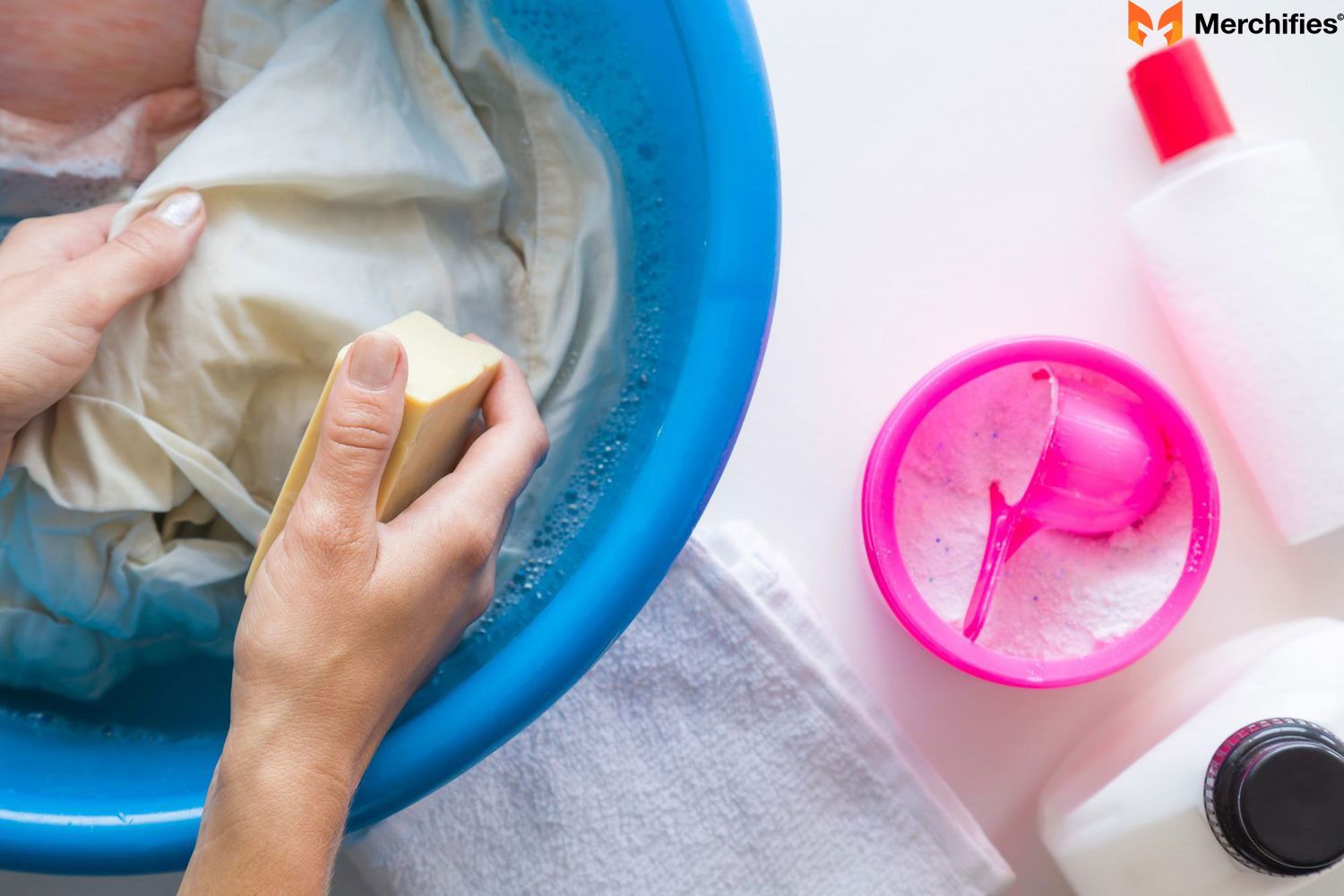
Hannah Morrison, a renowned laundry and home care specialist with years of hands-on experience, shares her insights throughout this guide, ensuring you receive practical, tested advice. Her people-first approach emphasizes saving your favorite garments and your money by empowering you with effective stain removal strategies. You'll learn the golden rules of stain removal, essential tools, step-by-step solutions for specific stains, and expert tips to conquer even the toughest marks.
Everyone faces the dreaded stain. It's a common, often frustrating, part of everyday life. From accidental spills to muddy adventures, our clothes bear the brunt of our activities. When a stain strikes, the first instinct might be panic, followed by resignation, leading many to toss perfectly good garments. But don't despair! With the right knowledge and tools, you can often reverse the damage.
This article is your comprehensive, easy-to-follow guide to tackling virtually any clothing stain you might encounter. We're here to show you how to remove stains from clothes effectively and efficiently. We'll demystify the process, turning you into a stain-fighting pro, ready to save your laundry from whatever life throws at it. You’ll discover not just how to get stains out of clothes, but also how to prevent them from setting in.
Before you dive into specific solutions, understanding these fundamental principles will significantly boost your success rate in stain removal. Following these golden rules is critical to learning how to remove stains from clothes without causing further damage.
Rule #1: Act Fast! (The Sooner, The Better)
Time is truly of the essence when it comes to stains. The longer a stain sits, the more it bonds with the fabric fibers, making it harder to remove. Immediate action drastically increases your chances of successful stain removal. Hannah Morrison often stresses, "The sooner you address a stain, the less likely it is to become a permanent fixture."
Rule #2: Know Your Fabric & Read the Care Tag
Different fabrics react differently to various cleaning agents and temperatures. A delicate silk blouse requires a much gentler approach than a sturdy cotton t-shirt. Always check the garment's care tag first. Understanding laundry symbols will tell you the safe washing temperature, whether bleach is allowed, and if it's dry-clean only. This knowledge is crucial for figuring out how to remove stains from clothes without ruining the material.
Rule #3: Always Test a Hidden Spot First
Before applying any stain remover to a visible area, test it on an inconspicuous spot, like an inside seam or hem. This prevents potential damage or color bleeding, ensuring the product is safe for your specific garment.
Rule #4: Blot, Don't Rub
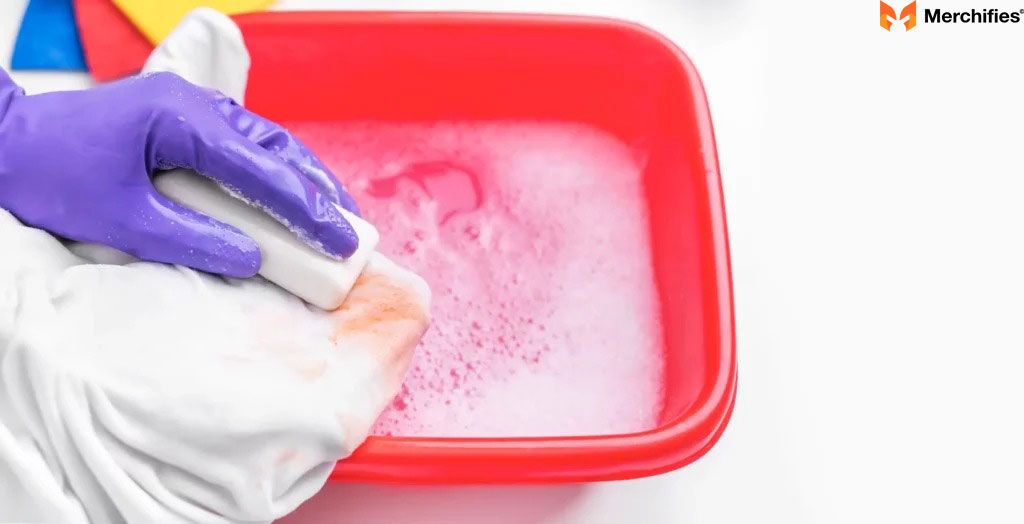
When dealing with liquid stains, blot the excess with a clean cloth or paper towel instead of rubbing. Rubbing can push the stain deeper into the fabric fibers, spread it further, and even damage the material, making stain removal much more challenging.
Rule #5: Work From the Outside In
When tackling a stain, always work from the outer edges towards the center. This technique helps prevent the stain from spreading and creating a larger, more challenging mark to remove.
Rule #6: Avoid Heat Until the Stain is Gone
Heat, whether from a dryer or hot water, can set a stain permanently, essentially baking it into the fabric. Always inspect your garment carefully after washing and before drying. If any trace of the stain remains, re-treat and re-wash it.
Having the right arsenal on hand will make you ready for any stain emergency. Here's what you'll need to master how to remove stains from clothes.
Basic Household Staples:
Specialized Laundry Products:
Tools & Accessories:
While specific stains require tailored approaches, these general steps offer a solid foundation for most stain removal efforts. This is your go-to method for how to remove stains from clothes effectively.
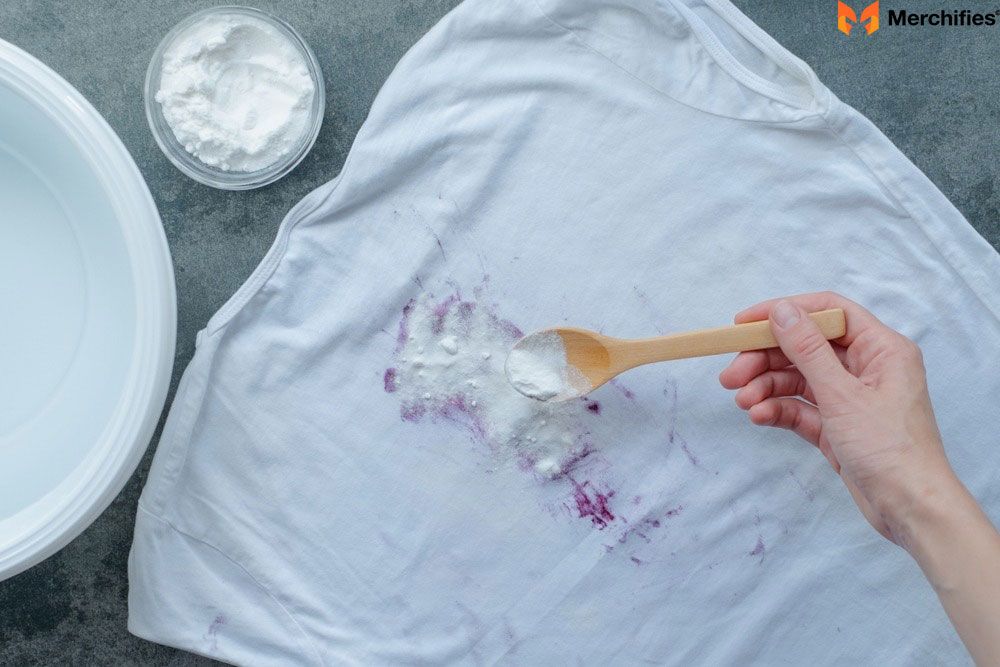
This section delves into specific strategies for how to remove stains from clothes, addressing the most common culprits. Hannah Morrison emphasizes that "understanding the nature of the stain is half the battle won."
Beverage Stains:
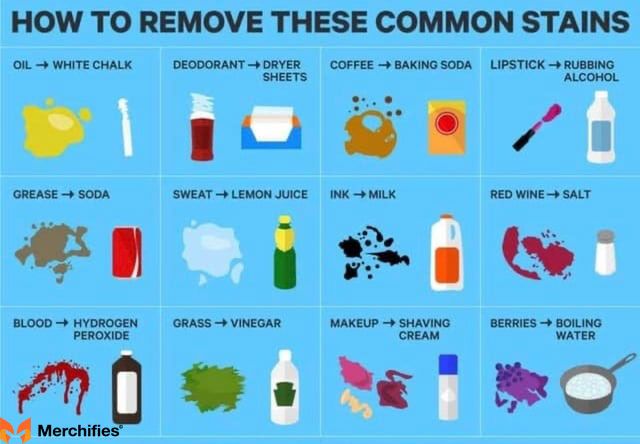
Blot excess. Rinse under cold water from the back. Rub a small amount of liquid laundry detergent into the stain. Let sit for 5 minutes, then wash. For dried coffee, soak in warm water with oxygen bleach (if fabric-safe) before washing.
Similar to coffee. Blot and rinse. Apply a solution of white vinegar and water (1:1) or liquid laundry detergent. Wash as usual.
Act immediately! Blot excess. Pour salt generously over the fresh stain to absorb the wine, let sit for 5-10 minutes, then rinse with cold water. Alternatively, pour boiling water over the taut fabric (from a height) for fresh stains or soak in oxygen bleach solution before washing.
Rinse with cold water. Treat with liquid laundry detergent or a paste of baking soda and water. For tough stains, use white vinegar or hydrogen peroxide (test first).
Grease & Oil Stains (e.g., Cooking Oil, Butter):
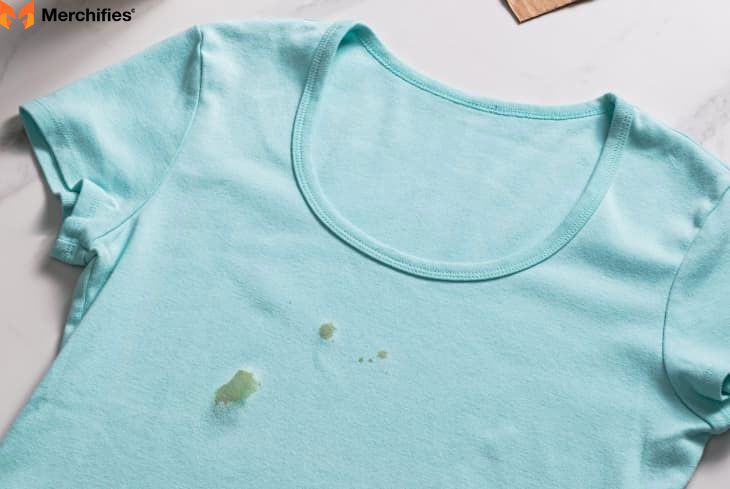
Scrape off any excess. Apply a generous amount of mild dish soap (like Dawn) directly to the stain. Rub gently with your fingers or a soft brush. Let sit for 10-15 minutes, then wash in the hottest water safe for the fabric.
Chocolate Stains:
Scrape off any solid chocolate. Flush the back of the stain with cold water. Apply liquid laundry detergent and rub gently. Soak in an enzyme cleaner if stubborn, then wash.
Ketchup & Mustard Stains:
Scrape off excess. Flush with cold water. Apply liquid laundry detergent or a pre-treatment spray. For mustard, a mixture of vinegar and dish soap can be effective. Wash.
Sauce Stains (e.g., BBQ, Pasta):
Scrape off solids. Rinse with cold water. Treat with liquid laundry detergent, an enzyme pre-treater, or a solution of white vinegar and water. Wash.
Chewing Gum:
Freeze the garment with ice cubes until the gum hardens. Scrape off as much as possible with a dull knife. Treat any residue with rubbing alcohol or peanut butter, then wash.
Blood Stains:
Crucial to use cold water! Rinse immediately with cold water. If fresh, soak in cold water with a little salt or hydrogen peroxide (test on colored fabrics). For dried blood, soak in cold water with an enzyme cleaner before washing.
Grass Stains:
Treat with an enzyme-based liquid laundry detergent or a paste of baking soda and white vinegar. Gently scrub with a toothbrush. Wash in the hottest water safe for the fabric.
Mud Stains:
Let the mud dry completely. Scrape off as much dry mud as possible. Brush off remaining particles. Pre-treat with liquid laundry detergent or a stain remover, then wash.
Sweat & Deodorant Stains:
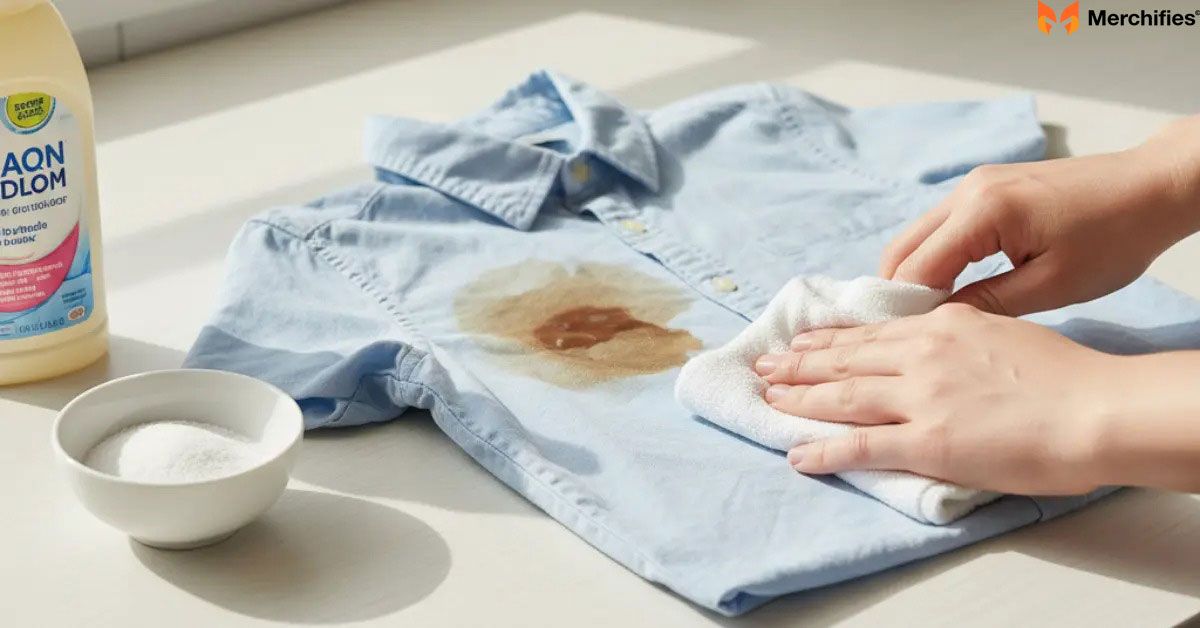
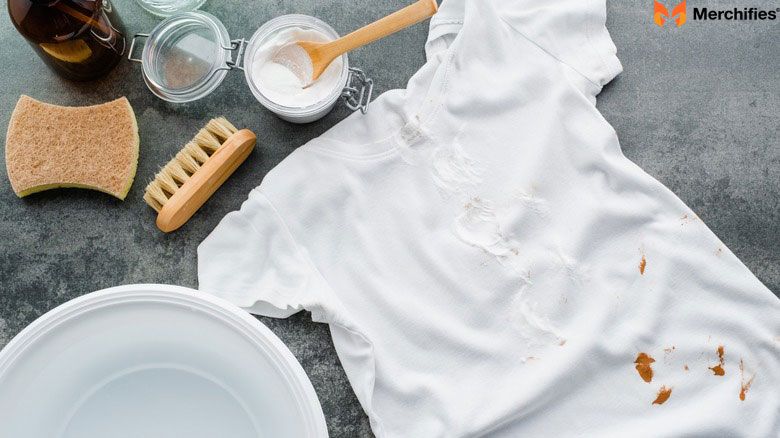
For yellow sweat stains, mix baking soda and water into a paste, apply to the stain, and let sit for a few hours before washing. White deodorant marks can often be removed by rubbing the fabric against itself or with a damp cloth. White vinegar is also effective.
Dirt Stains:
Similar to mud, let dry and brush off excess. Pre-treat with a heavy-duty laundry detergent or a paste of baking soda and water. Wash.
Makeup Stains (e.g., Lipstick, Foundation):
For lipstick, pre-treat with dish soap or rubbing alcohol (test first). For liquid foundation, blot excess, then treat with liquid laundry detergent or a commercial pre-treater. Wash.
Ink Stains (e.g., Pen, Marker):
Place a paper towel under the stain. Dab rubbing alcohol or hand sanitizer onto the stain with a clean cloth. The ink should transfer to the paper towel. Repeat until gone, then wash.
Paint Stains (Latex/Water-based):
If wet, rinse immediately with warm water. If dry, use rubbing alcohol or a commercial paint remover (test first) and scrape gently.
Crayon Stains:
Scrape off excess crayon. Place the stained area between paper towels and iron on low heat to transfer the wax. Treat any remaining color with dish soap or a pre-treater, then wash.
Nail Polish Stains:
Place a paper towel under the stain. Use a cotton swab dipped in non-acetone nail polish remover (acetone can damage some fabrics like synthetics and acetate – test first!). Dab, don't rub, until the stain lifts. Rinse thoroughly and wash.
Rust Stains:
Apply lemon juice and salt to the stain. Let it sit in the sun for a few hours. Rinse and wash. Repeat if necessary. Commercial rust removers are also available, but use with caution.
Candle Wax Stains:
Allow the wax to harden completely. Scrape off as much as possible with a dull knife. Place the stained area between paper towels and iron on low heat to transfer the wax. Treat any residual color with dish soap.
Glue Stains (washable types):
If wet, rinse with warm water. If dry, try soaking in warm water and gently scraping. For super glue, rubbing alcohol can sometimes work (test first).
Sometimes, despite your best efforts, a stain just won't budge, or you discover an old, set-in mark. Don't give up! These advanced techniques can help you learn how to remove stains from clothes even when they seem impossible.
Re-Treating Set-In Stains:
For persistent stains, don't just throw in the towel.
Stripping Your Laundry:
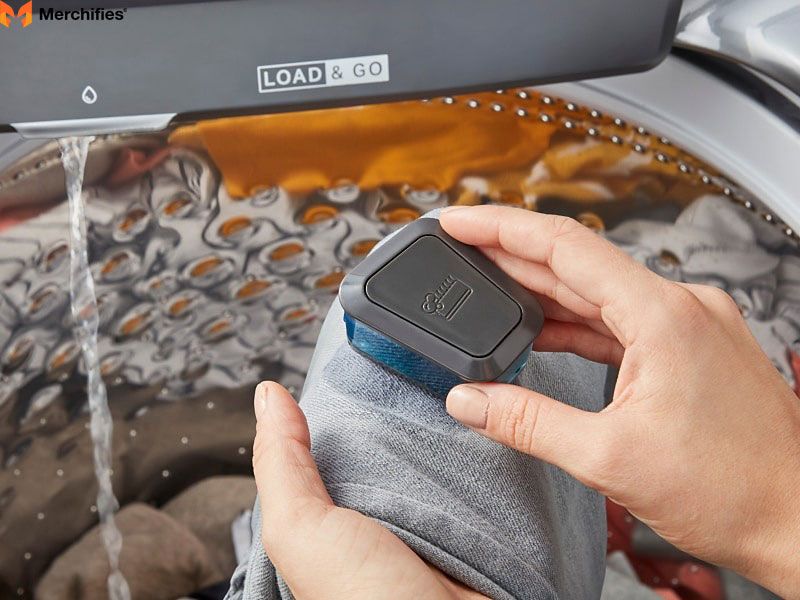
For extremely set-in stains, general dinginess, or detergent/mineral buildup that causes stubborn marks, "laundry stripping" can be a last resort. This involves soaking clothes in a tub of very hot water with a mixture of borax, washing soda, and detergent. The goal is to remove accumulated residue, which can sometimes reveal and loosen old stains.
When to Call a Professional Cleaner:
Knowing when a garment is beyond DIY repair is crucial. For delicate fabrics, vintage items, or extremely valuable pieces with stubborn stains, it's often best to consult a professional dry cleaner. They have specialized solvents and equipment that home methods can't replicate, and they might just know the trick for how to remove stains from clothes that you don't.
White clothes have a unique vulnerability: every stain is amplified, and yellowing can be a persistent challenge. Thankfully, there are powerful methods specifically for how to get stains out of white clothes and restore their pristine brilliance. As Hannah Morrison often advises, "White clothes require a bolder, yet still careful, approach to stain removal."
The general principles of acting fast and avoiding heat still apply. However, for white garments, you have a few more potent tools in your arsenal:
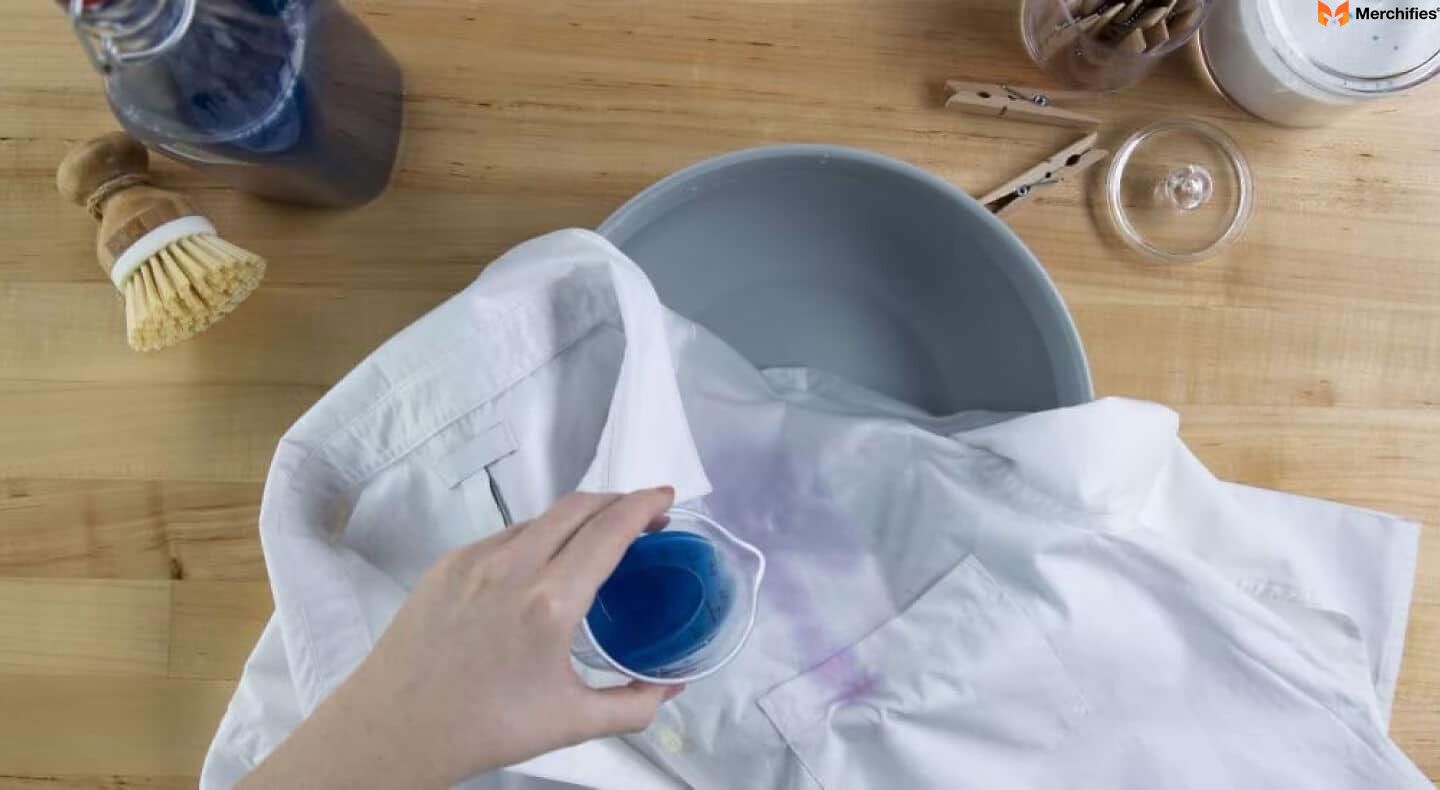
When tackling stains on white items, always remember to rinse thoroughly to remove all cleaning agents before drying. This ensures no residue is left behind, which could lead to further yellowing or damage over time.
While cotton and synthetics can often handle robust treatment, some fabrics require a gentler touch. Knowing how to remove stains from clothes made of delicate materials is a testament to expertise in laundry care.
Silk & Wool:
These natural fibers are delicate and can shrink, felt, or be damaged by harsh chemicals or high heat.
Denim:
Synthetics (Polyester, Nylon, Acrylic):
Dry-Clean Only Items:
Knowing how to remove stains from clothes also means understanding what not to do. Avoiding these common pitfalls will save you headaches and heartbreak.
Your Laundry, Rescued: A Final Word on Stain Victory
You've now armed yourself with the ultimate guide on how to remove stains from clothes, transforming a daunting task into a manageable one. Remember the importance of quick action, understanding your fabric, and choosing the right treatment for the specific stain. Most stains are conquerable with a bit of knowledge and the right tools.
Don't let stains dictate the lifespan of your favorite clothes. With the practical advice shared by Hannah Morrison, you're well-equipped to face any spill or smudge with confidence, ensuring your garments stay fresh, clean, and ready for whatever comes next. Go forth and save your laundry!
-d4c38c342cdf20ca.jpeg)


-b555fcc6b204c456.jpeg)