
-da0801079a650a2e.jpeg)
17 Year Anniversary Quotes: 110+ Funny, Romantic & Furniture Wishes (2026)
Mar, 12 2026

"Remove oil stains: blot excess oil first, sprinkle baking soda or cornstarch to absorb grease, wait 30 mins. Apply dish soap directly on stain, gently scrub, rinse with hot water. Wash normally, air dry."
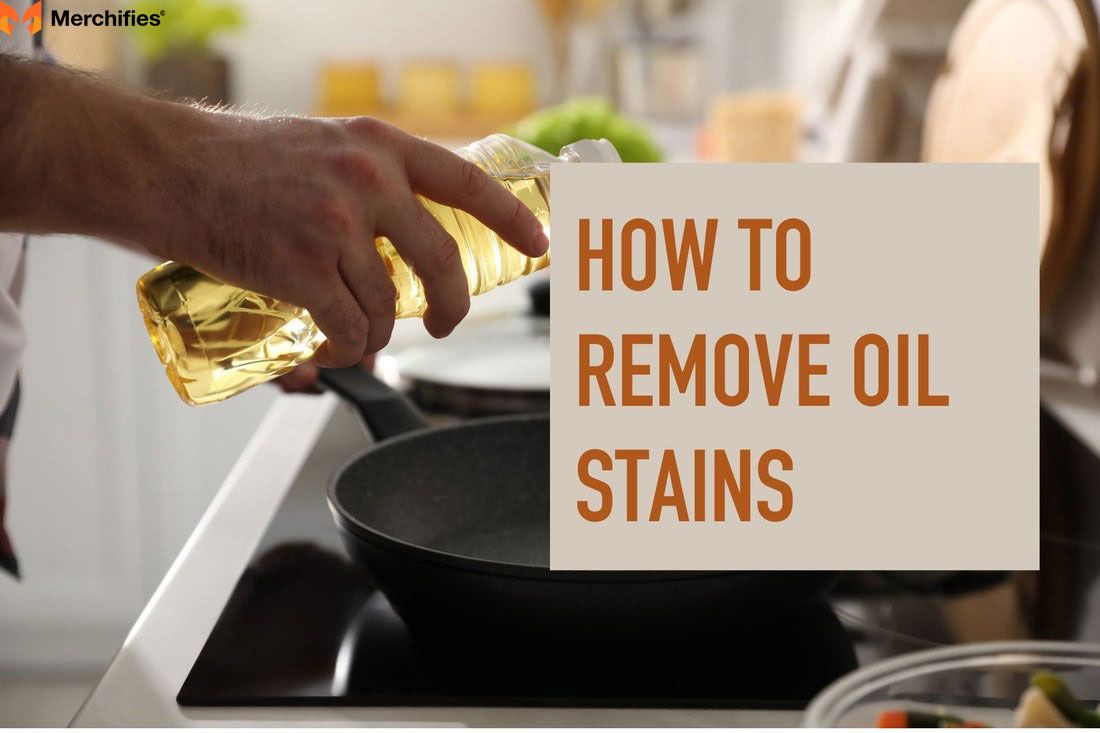
Few things are as frustrating as discovering a fresh, or even worse, a dried-in, oil stain marring your favorite garment. Whether it’s from a cooking mishap, a greasy meal, or an unexpected encounter with motor oil, these stubborn marks can feel like a death sentence for your clothes. But don't despair! As Hannah Gale, a seasoned expert in home care and stain removal, often emphasizes, oil stains are conquerable with the right approach and a bit of patience. This comprehensive, easy-to-follow guide will arm you with tested, expert advice to effectively remove oil stains from clothes, restoring your garments to their pristine condition.
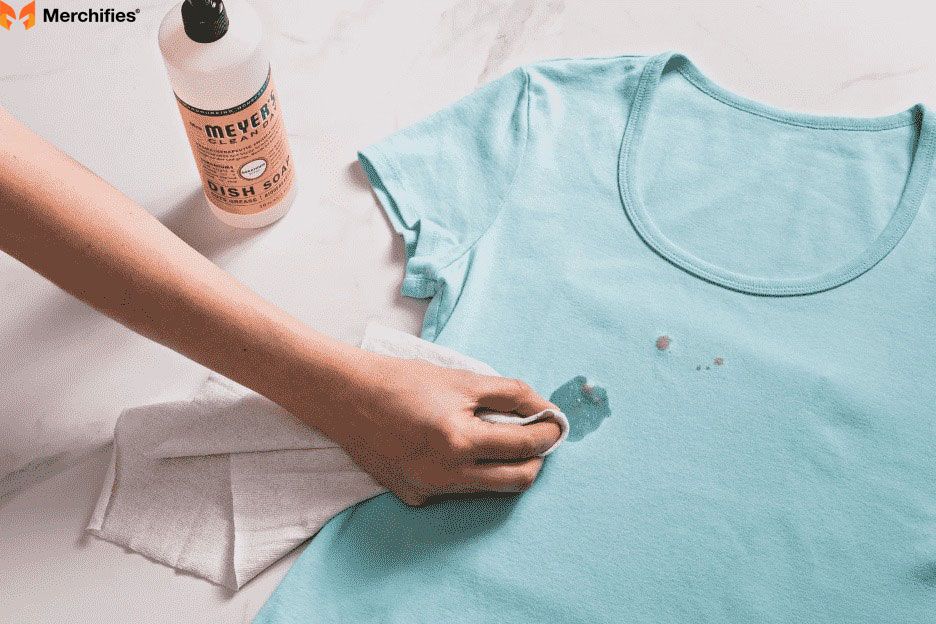
Before you dive into the nitty-gritty of stain removal, gathering your supplies is crucial. Having everything on hand will make the process smoother and more efficient. Many of these items are likely already in your pantry or laundry room, proving that effective stain removal doesn't always require expensive specialty products.
When it comes to learning how to get oil stain out of clothes, speed is your greatest ally. The sooner you tackle a fresh oil stain, the higher your chances of complete removal. Follow these steps meticulously for the best results on most fabrics.
The moment you notice an oil stain, resist the urge to rub it! Rubbing can spread the stain and push the oil deeper into the fabric fibers. Instead, immediately grab a clean paper towel or a dry, clean cloth and gently blot the affected area. The goal here is to absorb as much surface oil as possible without applying pressure or scrubbing.
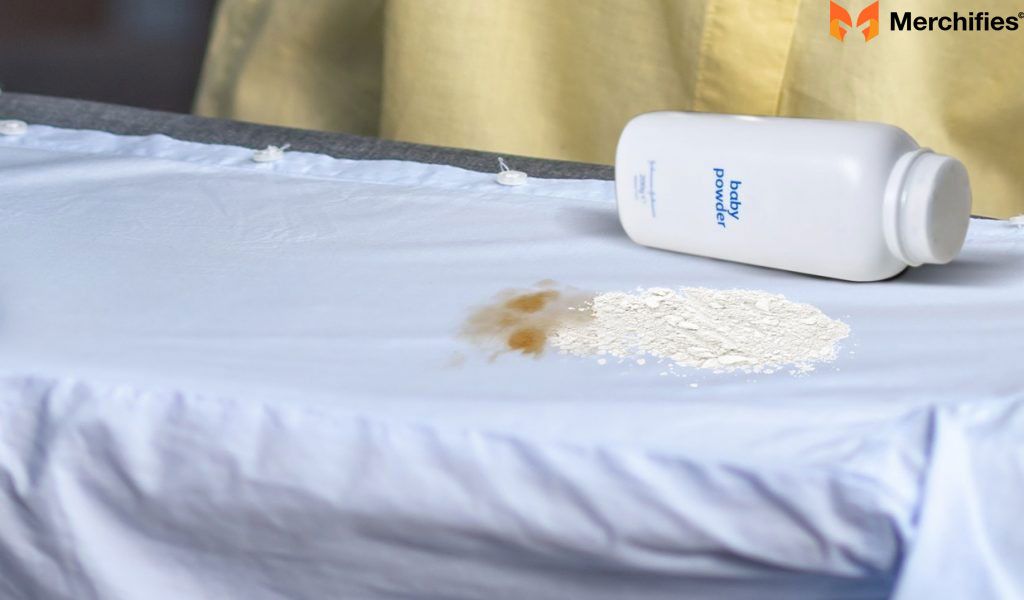
This is a critical step for drawing out the oil. Generously sprinkle your chosen absorbent material (cornstarch, baking soda, talcum powder, or even crushed white chalk) directly onto the oil stain. Ensure the entire stained area is covered. Allow the powder to sit for at least 15-30 minutes; for heavier stains, let it sit for several hours or even overnight. The powder will absorb the oil. Once it has done its job, gently scrape off the powder using a spoon or a dull knife. You might notice the powder has clumped or changed color, indicating it has absorbed some of the grease.
Now it’s time to break down the remaining oil. Apply a small amount of liquid laundry detergent or dish soap directly onto the stain. Use your finger or a soft brush (like an old toothbrush) to gently work the soap into the fabric fibers. You're not scrubbing aggressively, but rather encouraging the detergent to penetrate and emulsify the oil. Let this pre-treatment sit for about 5-10 minutes. This gives the degreasing agents time to lift the oil.
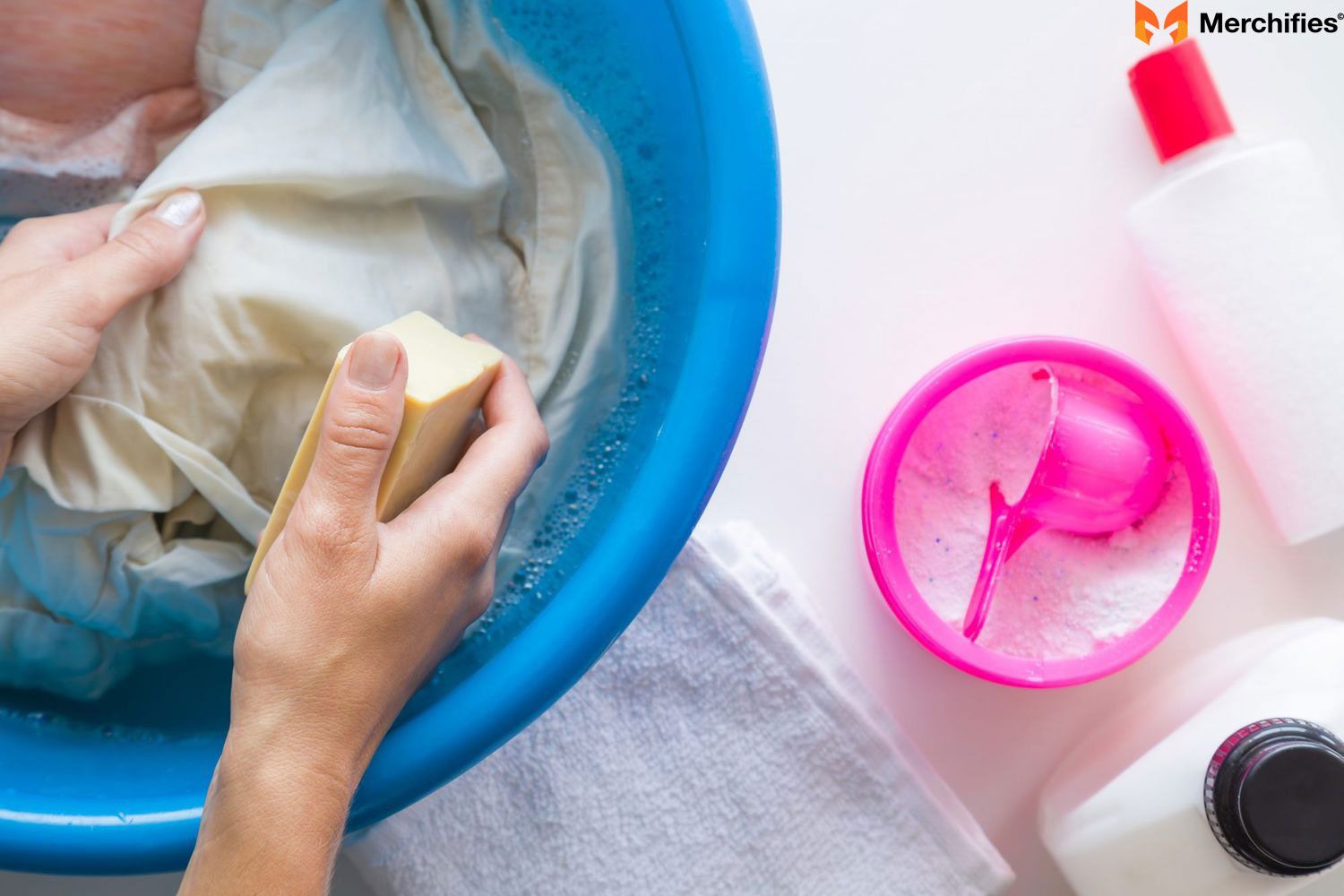
After pre-treatment, place the garment in your washing machine. Use the hottest water temperature that is safe for the fabric, as indicated on the care label – warmer water generally helps to dissolve grease. Add your regular laundry detergent. It’s often best to wash the stained garment by itself or with similar items to prevent the oil from transferring to other clothes if not entirely removed.
This step is absolutely crucial: Do NOT put the garment in the dryer until you are 100% sure the stain is gone. The heat from a dryer will permanently set any remaining oil or grease, making it almost impossible to remove later. Instead, allow the item to air dry completely. Once dry, carefully inspect the area where the stain was. If you still see any remnants of the stain, repeat the entire process from Step 2.
Sometimes, a general approach isn't quite enough. Learning how to remove old grease stains from clothing or dealing with specific types of oil requires a bit more targeted effort.
Dried-in oil stains, while more challenging, are not impossible to remove. The key is to re-wet and reactivate the stain. Start by moistening the stain with warm water. Then, apply a generous amount of liquid laundry detergent or dish soap and let it soak for a longer period – anywhere from 30 minutes to a few hours. Gently rub the area with a brush periodically. Multiple applications and washes might be necessary to fully lift the stubborn residue.
When confronting truly old oil stains, your strategy should be similar to dried-in stains but with increased intensity. Consider creating a paste of baking soda and a little water, applying it thickly over the old stain, and letting it sit overnight to draw out deeply set oil. For particularly stubborn old grease stains, an enzyme cleaner or a commercial stain remover designed for grease can be very effective. Hannah Gale's experience reminds us that perseverance is key here; sometimes, multiple attempts with different products yield the best results.
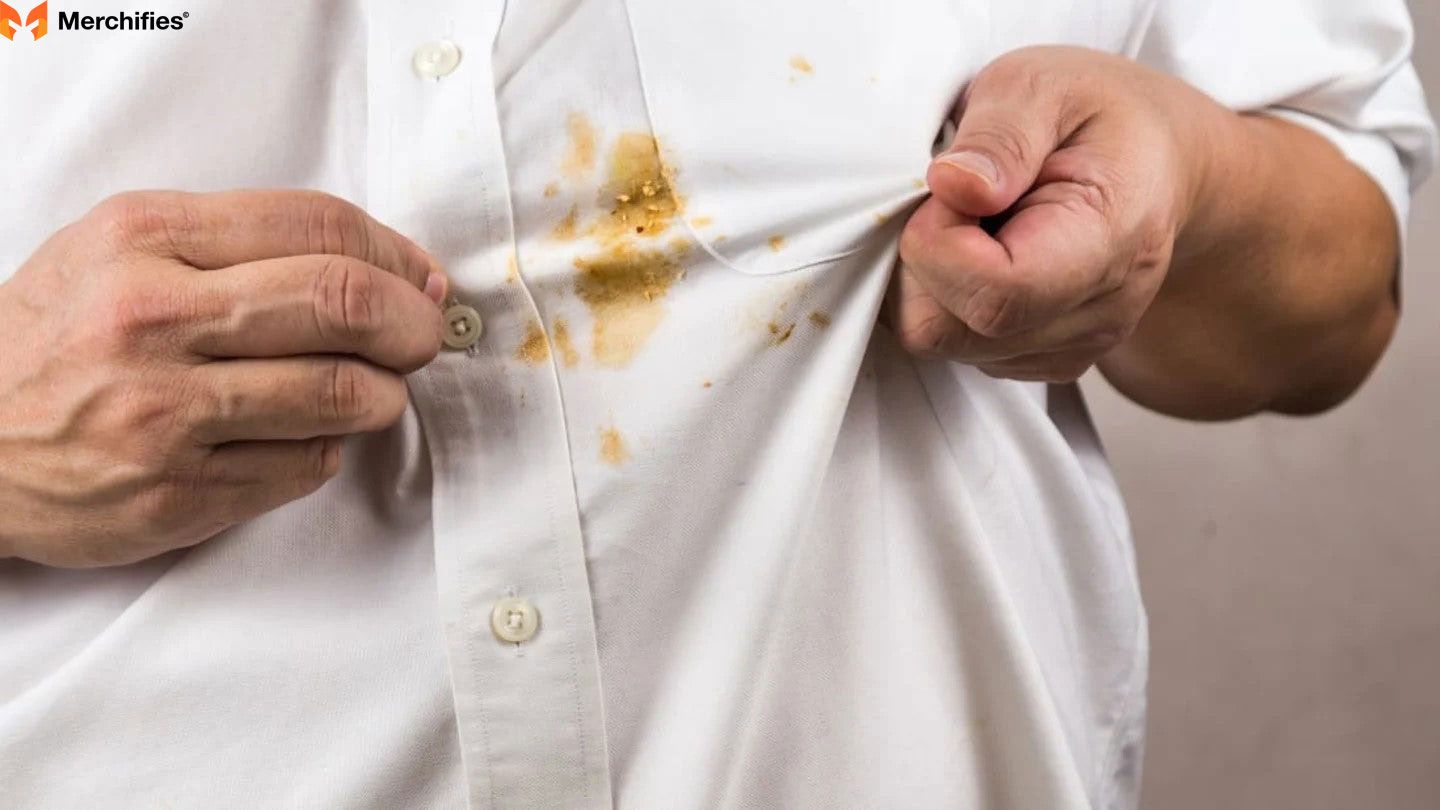
Motor oil is notoriously difficult due to its heavy petroleum base. For these stains, skip directly to a heavy-duty degreasing laundry detergent or even a dedicated automotive degreaser (used with caution and according to product instructions). Some people find success pre-treating with a product like WD-40, which helps to loosen the oil, before immediately following up with a strong liquid detergent and a hot water wash. Always test any strong product on an inconspicuous area first.
White clothes can show oil stains more prominently and may seem trickier. The good news is that the general method applies. However, for how to remove stains from white clothes, you might have the advantage of using oxygen-based bleach (not chlorine bleach) as part of your wash cycle, which can boost stain removal and whiten the fabric without damaging it. Always ensure the product is safe for the specific white fabric (e.g., cotton vs. synthetic). Avoid using colored dish soaps on white clothes, as they could leave their own tint.
Delicate fabrics require a very gentle touch. For silk or wool, avoid harsh scrubbing, extremely hot water, or strong chemical stain removers unless specifically indicated as safe. Instead, stick to a mild, pH-neutral liquid detergent or dish soap. Use cold or lukewarm water and hand-wash if possible. For valuable or sentimental items, professional dry cleaning is always the safest bet.
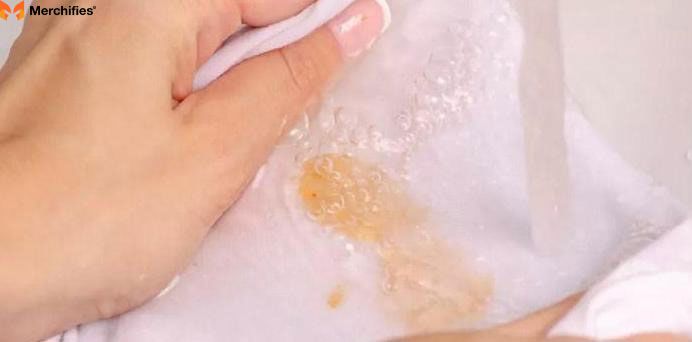
Knowing what not to do is as important as knowing what to do. Avoiding these common errors will prevent you from accidentally setting the stain permanently.
Discovering an oil stain on your clothing can certainly be disheartening, but it doesn't have to be the end of your favorite shirt or pair of pants. With patience, the right supplies, and the systematic approach outlined above, you can confidently tackle even the most stubborn oil and grease marks. Trusting in these methods, refined through years of practical experience by experts like Hannah Gale, you can confidently say goodbye to those unwanted blemishes. Remember, always check the garment before drying!
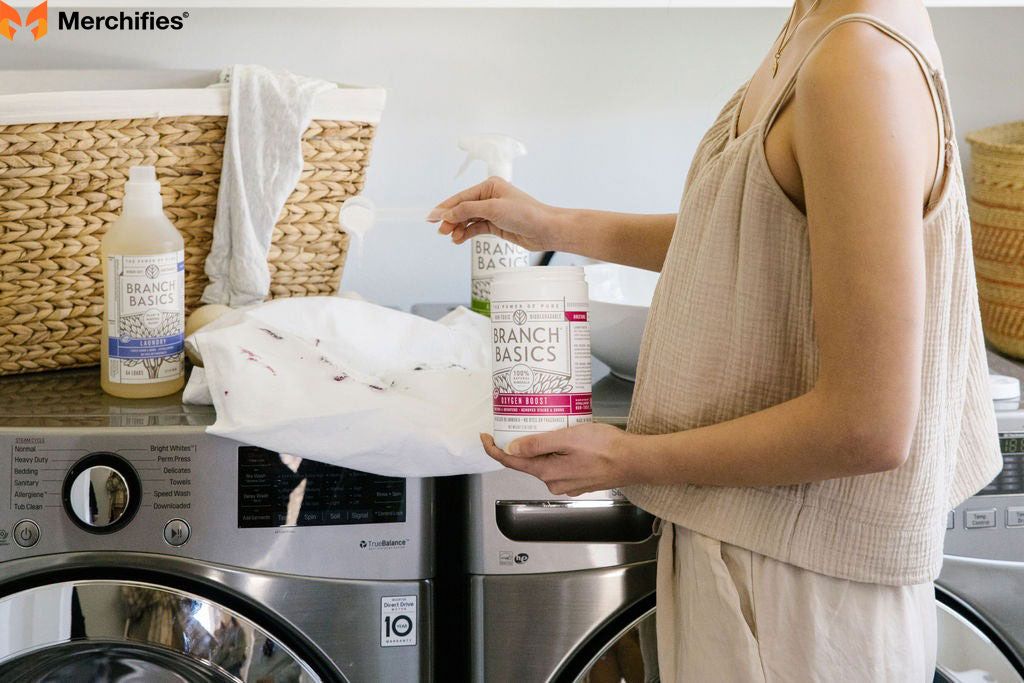
Share your success stories with us in the comments below, or explore more of our laundry tips for a spotless home and wardrobe!
-d4c38c342cdf20ca.jpeg)


-b555fcc6b204c456.jpeg)