-da0801079a650a2e.jpeg)
17 Year Anniversary Quotes: 110+ Funny, Romantic & Furniture Wishes (2026)
Mar, 12 2026

Giving a gift that is both memorable and loved takes thought, care, and a personal touch. The best gifts reflect the recipient’s personality, passions, and the special bond you share, leaving a lasting impression far beyond the moment they open it. In this guide to 99+ ways to give gifts that will be remembered and loved, you’ll explore practical tips, creative ideas, and thoughtful strategies—from personalization and experiential gifts to meaningful keepsakes. These approaches help you select presents that feel special, intentional, and unforgettable for every occasion.

Ever stared blankly at a gift registry, or wandered aimlessly through a store, wondering what on earth to get someone? You're not alone. We've all been there. Giving a gift that truly hits the mark, one that's genuinely appreciated, is a bit of an art.
After two decades as a lifestyle writer and gift consultant, I've witnessed countless gift exchanges that either sparked pure joy or fell completely flat. The difference? Understanding that How to Give a Gift That Will Be Remembered (and Loved!) comes down to three essential elements: genuine thoughtfulness, strategic personalization, and heartfelt intention.
Forget those generic, forgettable presents. We're talking about gifts that spark joy, create memories, and show you really care. In essence, it's about thoughtfulness, personalization, and a dash of heart.
Today's gift-giving landscape has evolved dramatically. People crave authentic connections over material accumulation. Sustainable choices matter more than ever. Most importantly, recipients remember how gifts made them feel long after the wrapping paper hits the trash.
This comprehensive guide will transform your gift-giving approach from guesswork into a strategic art form that strengthens relationships and creates lasting memories.
Neuroscience reveals fascinating insights about gift reception and memory formation. When someone receives a thoughtful present, their brain releases dopamine and oxytocin—the same chemicals associated with love and bonding. These neurochemical responses explain why certain gifts create such powerful emotional memories.
Research from the Journal of Consumer Psychology shows that experiential gifts generate more happiness than material ones because experiences become part of our identity. Meanwhile, personalized items activate the brain's self-referential processing, making them neurologically unforgettable.
The key lies in understanding that memorable gifts trigger multiple sensory and emotional pathways simultaneously. They connect to existing memories while creating new ones. This dual activation explains why How to Give a Gift That Will Be Remembered (and Loved!) requires more than simply purchasing something expensive or trendy.
First off, it's about knowing the person. Really knowing them. What makes them tick? What are their passions, hobbies, and secret dreams?
Successful gift-giving begins months before any special occasion. During my consulting years, I've taught hundreds of clients this fundamental truth: the best gift ideas emerge during ordinary conversations and casual observations.
Listen closely during conversations. Pay attention to those little hints they drop. Check out their social media – it's a goldmine of information.
Start maintaining a digital notes file for each important person in your life. When someone mentions wanting to learn something new, jot it down immediately. Notice what they photograph on social media. Observe what they choose to display in their homes or offices.
Don't be afraid to ask mutual friends or family for insights so you can figure out How to Give a Gift That Will Be Remembered (and Loved!).
Strategic information gathering requires finesse. Rather than directly asking "What should I get Sarah for her birthday?" try "I noticed Sarah's been really into gardening lately. Has she mentioned any specific plants she wants to try growing?"
This approach yields more authentic insights while maintaining the element of surprise. Family members often know about practical needs, while close friends understand emotional desires and current interests.
I remember a friend who always talked about wanting to learn pottery. I got her a gift certificate for a local studio, and she was over the moon.
This example perfectly illustrates how active listening transforms casual comments into meaningful gift opportunities. The pottery studio gift succeeded because it addressed both a stated interest and provided a new experience pathway.
Material things fade, but experiences? Those stick with you. Consider gifting a cooking class, concert tickets, or a weekend getaway. These gifts create shared memories, and that's priceless.
Experience gifts solve multiple modern gifting challenges simultaneously. They don't contribute to household clutter. They create stories worth retelling. Most importantly, they often become shared adventures that strengthen relationships.
I gifted my brother tickets to see his favorite band, and years later, we still talk about that night.
This concert example demonstrates experience gifts' lasting impact. The initial present—two pieces of paper—transformed into decades of shared memories, inside jokes, and emotional connection. The gift's value multiplied exponentially over time.
Consider the recipient's personality when selecting experiences. Introverts might prefer private cooking classes or spa days. Extroverts often enjoy group activities like wine tours or escape rooms. Adventure seekers love outdoor experiences, while culture enthusiasts prefer museums or theater performances.
Memorable experiences don't require massive budgets. Local walking tours, community college classes, or even planned picnics in beautiful locations create lasting memories without financial strain. The key lies in thoughtful curation rather than expensive execution.
Adding a personal touch takes a gift from good to unforgettable. Think customized jewelry, photo albums filled with shared memories, or even a handmade item.

Personalized gifts activate what psychologists call the "endowment effect"—people value items more highly when they feel personal ownership or connection. Custom engravings, photo compilations, or handmade elements trigger this psychological response automatically.
A handwritten note can make all the difference. For example, I once framed a silly picture of me and my best friend with a funny caption, and it's still one of her favorite gifts.
This framed photo example showcases perfect personalization principles. It referenced shared history, included humor that matched their friendship dynamic, and created a lasting display piece. The low cost didn't diminish its emotional impact.
Today's personalization options extend far beyond simple monogramming. Custom star maps showing significant dates, personalized books featuring the recipient's name, or custom illustration portraits offer unique personal touches without requiring artistic skills.
Handmade gifts carry extra emotional weight because they represent invested time and effort. However, custom-ordered items from skilled artisans can achieve similar impact when chosen thoughtfully. The key lies in ensuring the personalization feels authentic rather than generic.
It's not about how much you spend, but how much thought you put in. Choose high-quality items that will be cherished, not just tossed aside.
Modern recipients increasingly prefer fewer, higher-quality items over multiple cheaper alternatives. This shift reflects growing environmental consciousness and space limitations in urban living situations.
Aim for gifts that have a lasting value, and avoid clutter. A good quality gift shows respect.
Quality demonstrates respect for both the recipient and the environment. Well-made items last longer, perform better, and often become cherished possessions rather than eventual donations or trash.
Consider items the recipient uses daily but might not splurge on themselves. High-quality kitchen knives, premium skincare products, or professional-grade tools for their hobbies represent excellent quality investments.
I've learned that one well-made item is far better than a bunch of cheap trinkets. That is one of the interesting suggestions for you to answer the question How to Give a Gift That Will Be Remembered (and Loved!).
This philosophy extends beyond material considerations. Quality gifts often become family heirlooms, professional tools, or treasured daily-use items that remind recipients of your thoughtfulness repeatedly.
Don't underestimate the power of a practical gift. Something that solves a problem or makes life easier can be incredibly appreciated.
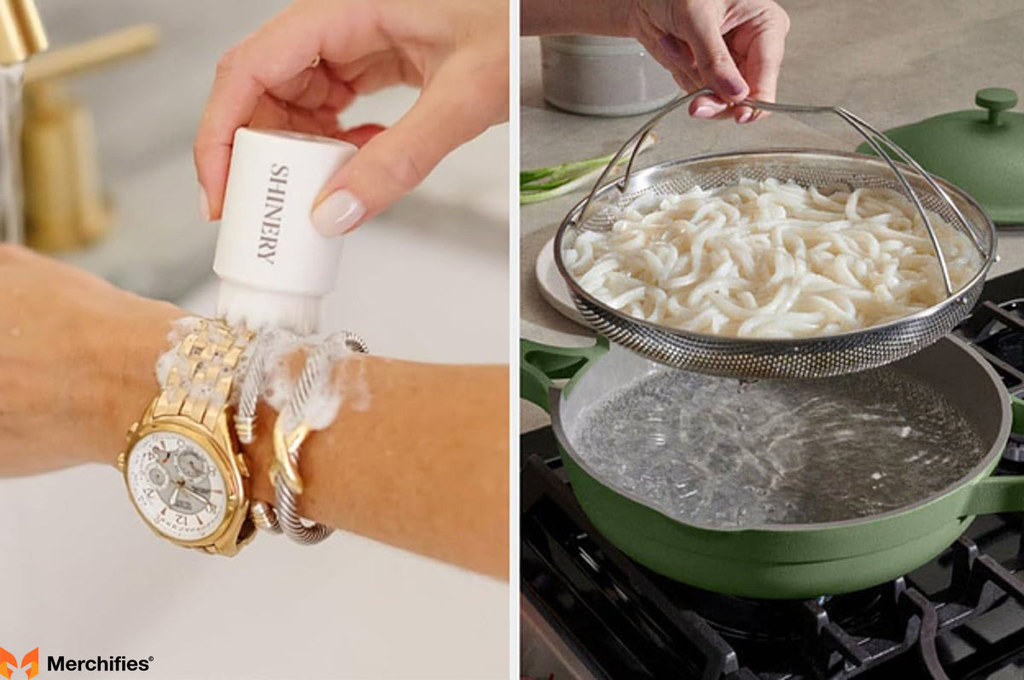
Practical gifts succeed when they address actual problems rather than perceived ones. Pay attention to what people complain about or struggle with in their daily routines. These frustrations represent perfect gift opportunities.
Think about their daily routines and needs. A good tool, a helpful gadget, or anything that simplifies their life.
Successful practical gifts integrate seamlessly into existing routines while improving efficiency or comfort. They solve problems without creating new ones through complexity or maintenance requirements.
For instance, a quality coffee maker for a coffee lover, or a set of good cooking knives for someone who enjoys culinary activities.
These examples succeed because they enhance activities the recipients already enjoy. The coffee maker doesn't force new habits—it improves existing ones. Similarly, quality knives make cooking more pleasant and efficient.
Practical gifts can backfire when they imply criticism of current methods or choices. Organizational systems for messy people or exercise equipment for inactive individuals might send unintended messages. Focus on enhancing strengths rather than addressing perceived weaknesses.
Sometimes, finding the perfect gift for our nearest and dearest can feel like the biggest challenge. How do you capture someone's unique spirit in a single present?
Close relationships paradoxically make gift-giving more complex because expectations run higher. The pressure to find something "perfect" can create analysis paralysis that leads to procrastination or generic choices.
The key is to focus on the small details rather than trying to make a grand gesture.
Intimate knowledge of someone's daily life reveals countless small opportunities for thoughtful gifts. The coffee mug they use every morning, the playlist they listen to while working, or the hobby they pursue during quiet moments all suggest meaningful gift directions.
Start by writing a few sentences about the person, highlighting their passions and interests. This can help you break free from generic gift ideas and focus on things they truly care about.
This writing exercise forces you to articulate what makes this person unique. Often, the act of writing reveals gift ideas that weren't immediately obvious. It also helps you move beyond surface-level interests to deeper passions.
Ask yourself if the gift can introduce them to something new, offer them a luxurious version of something they already love, or simply make them feel understood.
These three categories—novelty, luxury, and understanding—cover most successful gift types for close relationships. Novelty satisfies curiosity and growth desires. Luxury provides experiences they wouldn't purchase themselves. Understanding validates their identity and interests.
When gifting to acquaintances, like coworkers, it's best to personalize the present without crossing personal boundaries.
Professional and casual relationships require different gift strategies that respect appropriate boundaries while still showing thoughtfulness and care.
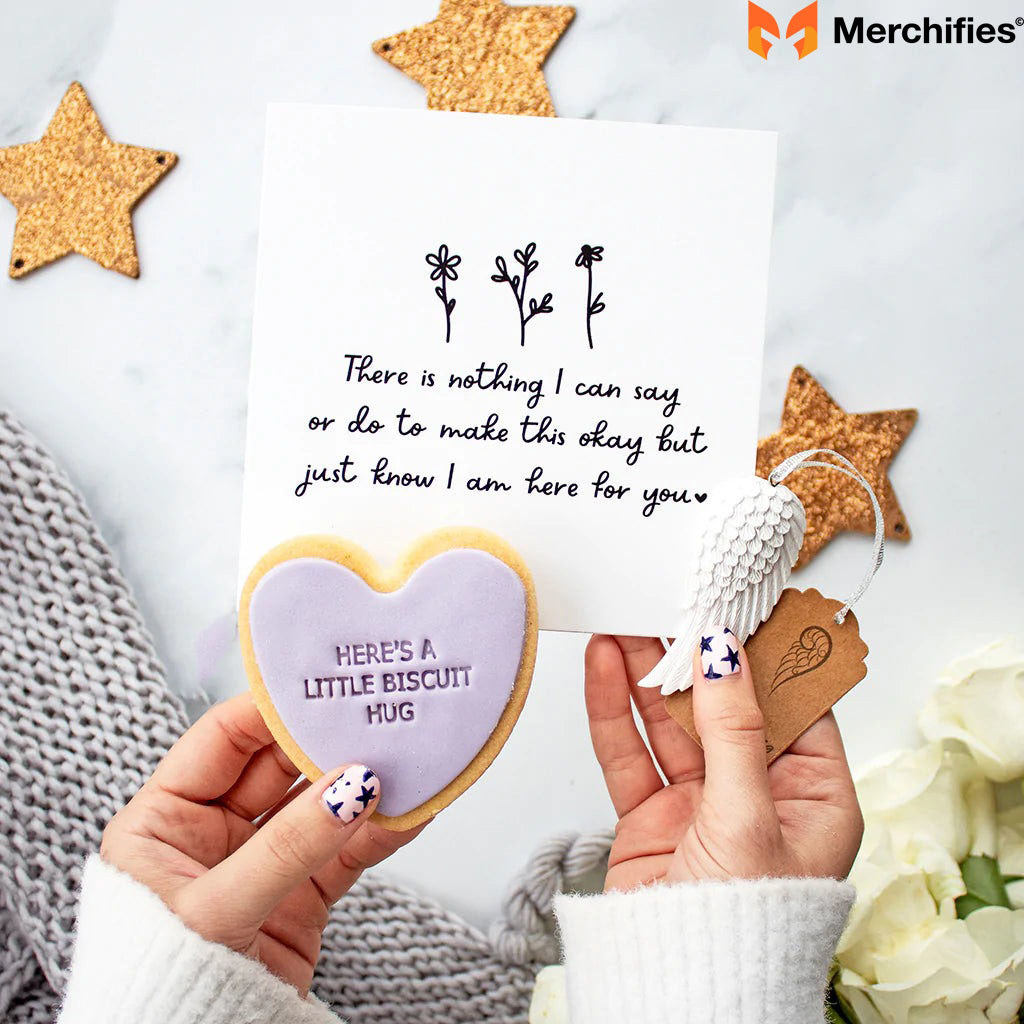
For coworkers, there are many answers to the question How to Give a Gift That Will Be Remembered (and Loved!). A thoughtful card and a gift card aligned with their interests are safe bets, while scented items or clothes might be too intimate.
This boundary awareness prevents awkward situations while still allowing for meaningful gestures. Gift cards to bookstores for readers or art supplies stores for creative colleagues show attention to their interests without overstepping professional boundaries.
This approach reflects a simple truth: you don't need a deep personal connection to give a good gift. It's enough to know one fact about the recipient, whether it's their favorite color or a hobby they enjoy.
Single-fact gifting removes pressure while maintaining thoughtfulness. Knowing someone loves coffee opens doors to quality beans, interesting mugs, or coffee shop gift cards. One genuine interest provides multiple gift possibilities.
Thoughtful gift-givers don't just scramble for presents during the holidays—they're always on the lookout for perfect finds throughout the year.
Year-round gift awareness transforms stressful last-minute shopping into enjoyable discovery processes. The best gifts often appear unexpectedly during routine activities rather than during dedicated shopping trips.
I know many people who keep running lists of potential gifts, updated whenever a friend mentions something they like or an interesting item pops up online.
Digital note-taking apps make gift tracking effortless. Create separate notes for each important person, adding ideas as they occur. Include links to interesting products, screenshots of social media posts showing their interests, and notes from conversations about wants or needs.
You can customize this approach to fit your lifestyle. I personally keep a single note on my phone dedicated to gift ideas, and it works wonders.
Choose systems that match your natural habits. Visual people might prefer Pinterest boards. Detail-oriented individuals might maintain spreadsheets. The key lies in consistency rather than complexity.
Building this habit of gathering ideas not only simplifies the gift-giving process but also avoids the awkwardness of asking people what they want. Instead, you're proactively paying attention to their interests and preferences, showing that you genuinely care about what they enjoy.
This proactive approach demonstrates continuous care rather than obligation-driven attention. Recipients sense the difference between gifts chosen from genuine observation and those selected from duty or last-minute panic.
Something that creates time or space
People often hesitate to spend money on freeing up their time, even though it consistently boosts happiness. This same principle applies to gift-giving.
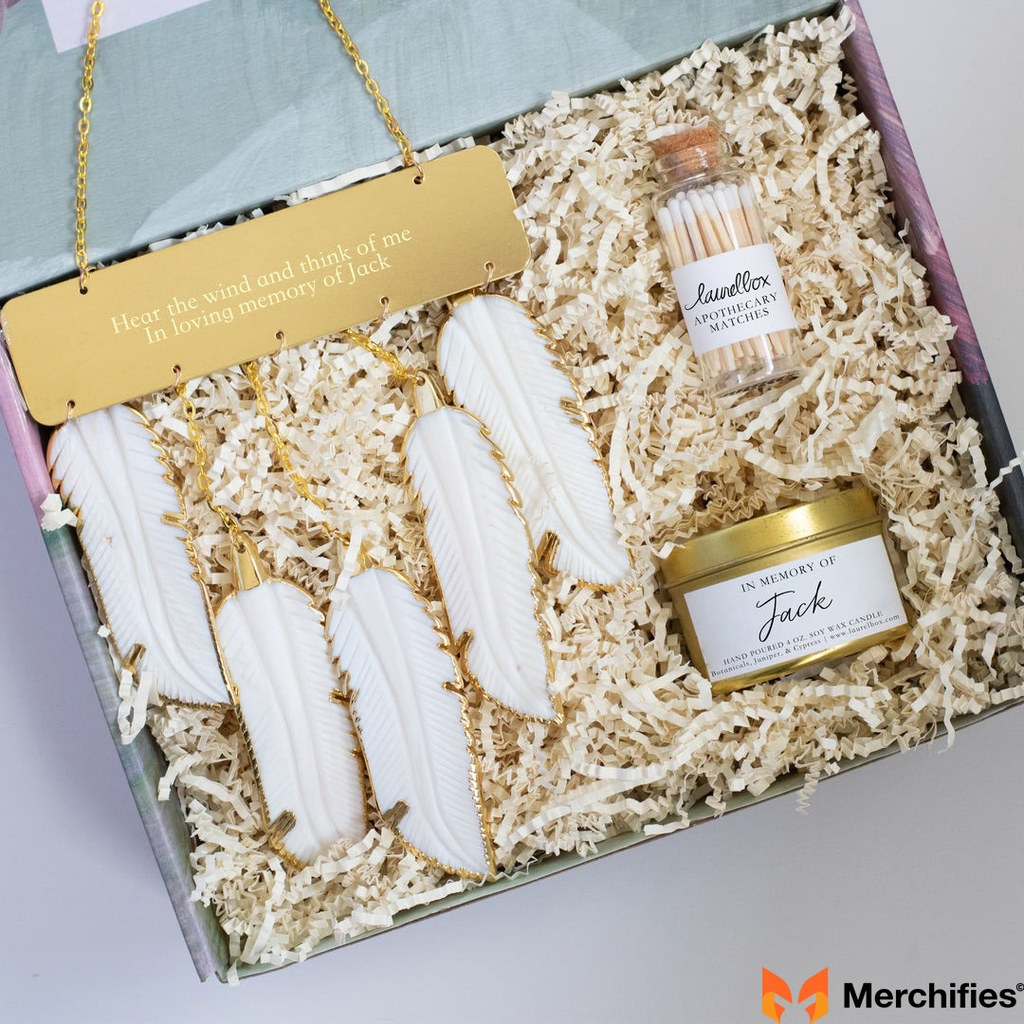
Time-saving gifts address modern life's most precious commodity. Unlike material possessions, time gifts provide immediate life quality improvements that recipients notice daily.
Gifting services like cleaning or babysitting can give recipients a precious day for relaxation or pursuing hobbies. Digitizing old photos not only preserves memories but also saves hours of tedious work.
Service gifts work particularly well for busy parents, career-focused individuals, or anyone juggling multiple responsibilities. The key lies in choosing services that align with their values and preferences.
Similarly, for those overwhelmed by clutter, a professional organizing service can be a life-changing gift, creating more space for what truly matters.
Space-creation gifts address both physical and mental clutter. Organized spaces reduce stress and increase productivity, making these gifts particularly valuable for anxious or overwhelmed recipients.
However, it's crucial to communicate your intentions clearly to avoid any misunderstandings about criticizing their living space.
Service gifts require careful presentation to avoid implying criticism. Frame them as caring gestures that provide relaxation time rather than solutions to perceived problems. Include notes explaining your positive intentions.
Something abundant
One way to elevate a simple gift is to create a sense of abundance. For example, when I was a child, my dad gave me a whole box of Rainbow Dash dolls, a character I adored.
Abundance creates psychological impact disproportionate to actual cost. Multiple items in the same category feel more generous than single expensive alternatives, especially when they cater to specific interests.
The sheer volume of dolls made a lasting impression on me, and it remains one of my most cherished childhood gifts.
This childhood memory demonstrates abundance gifts' lasting emotional impact. The quantity itself became part of the gift's magic, creating excitement that single items rarely achieve.
You can achieve this feeling of abundance through color as well. A box of macarons arranged in a rainbow or a set of nail polishes in a gradient of colors feel more special and intentional than a few random selections, even though the overall value might be the same.
Color coordination and visual arrangement amplify perceived value and thoughtfulness. Instagram-worthy presentations create additional joy through photography and sharing opportunities.
Something homemade
Homemade gifts often make the most cherished keepsakes, as they're infused with thoughtfulness and care. They demonstrate to the recipient the time and effort you've invested, making them feel truly special.
Handmade gifts communicate love through invested time rather than money. In our increasingly digital world, physical creation carries special significance that recipients recognize and appreciate.
Consider setting aside some time to craft a personalized gift like homemade bath products or candles.
DIY gifts don't require professional-level skills to succeed. Simple projects like herb gardens, photo albums, or baked goods often outperform expensive purchases because they represent personal investment.
If you're passionate about cooking or baking, why not share that love through a batch of freshly baked cookies or an offer to prepare a delicious dinner for the recipient?
Food gifts work across all relationships because they provide immediate enjoyment without long-term commitment. They also offer opportunities for shared experiences through cooking together or enjoying meals.
These edible gifts are sure to warm their heart and stomach.
Edible gifts satisfy multiple senses while creating positive associations with your generosity. They're particularly effective for people who prioritize experiences over possessions.
The element of surprise can make a gift even more special. Consider delivering it in an unexpected way, or at an unexpected time.
Surprise amplifies gift impact through neurochemical responses. Unexpected positive events trigger stronger dopamine releases than anticipated ones, creating more vivid memories and stronger emotional connections.
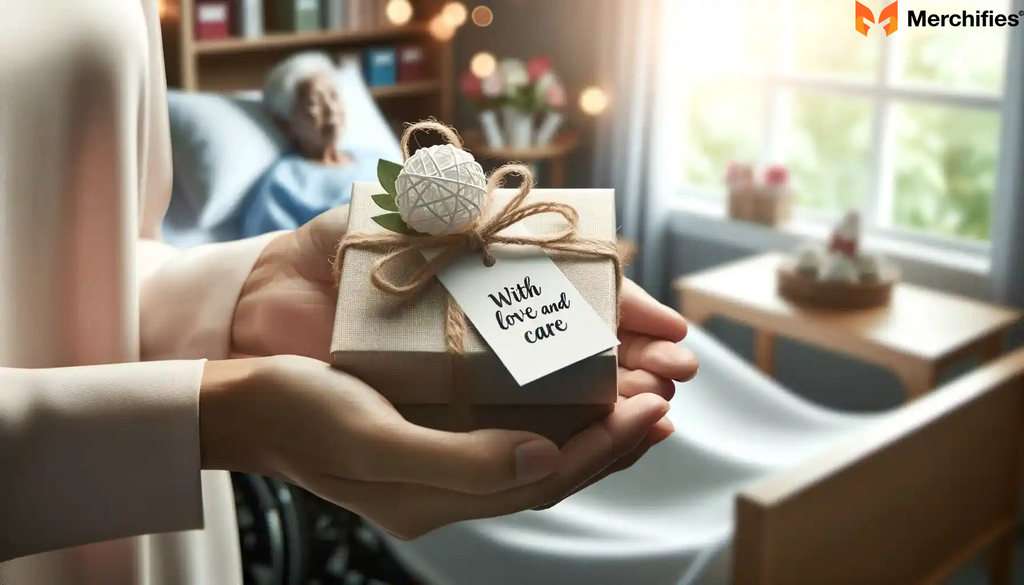
Non-holiday gift-giving often creates more impact because recipients aren't expecting presents. "Just because" gifts demonstrate unprompted caring that feels particularly genuine and thoughtful.
Consider celebrating personal milestones, work achievements, or difficult periods when support matters most. These moments often mean more to recipients than traditional holidays.
The presentation matters, too. A beautifully wrapped gift shows you care. For instance, planning a surprise party or hiding a gift and giving clues to find it.
Creative delivery methods extend gift enjoyment beyond the moment of opening. Treasure hunts, progressive reveals, or location-based surprises create anticipation and adventure that enhance the overall experience.
I once hid a gift in my friend's car, and she found it on her way to work.
Unexpected discovery locations create delightful surprises during routine activities. The mundane commute transformed into an exciting treasure discovery, making both the gift and the ordinary day more memorable.
Beautiful wrapping communicates respect and anticipation. It signals that the contents deserve special treatment and builds excitement through visual appeal. The unwrapping process becomes part of the gift experience itself.
Memorable gifts connect to the recipient's identity, interests, or needs in meaningful ways. Price rarely determines memorability—thoughtful selection, personal relevance, and emotional connection create lasting impact. A $20 book chosen specifically for someone's interests often outlasts a $200 generic luxury item.
Start observing and collecting gift ideas immediately after each gift-giving occasion. The best presents often emerge from casual observations throughout the year rather than dedicated shopping trips. Keep ongoing notes about people's interests, complaints, or desires as they naturally arise in conversation.
Balance direct questions with observational gift-gathering. For close relationships, occasional direct questions about general interests work well, but avoid specific product queries that eliminate surprise. For acquaintances, observation and safe categories (books, food, experiences) work better than direct inquiry.
Research cultural norms for gift-giving timing, appropriate price ranges, and culturally sensitive choices. When in doubt, ask mutual friends or family members about customs and expectations. Focus on universal values like thoughtfulness and respect while adapting to specific cultural practices.
Imperfections in handmade gifts often enhance rather than diminish their charm. Recipients appreciate the time and effort invested more than professional-level execution. Include notes explaining your process or inspiration to help them understand your creative journey and intentions.
Add personalized elements through thoughtful presentation, handwritten notes explaining your selection process, or custom modifications. Combine multiple related items that show understanding of their interests. The story behind your choice often matters more than the item's origin.
Gift-giving requirements evolve with life stages and changing relationships. Young adults often appreciate experiences and practical items for new living situations. Parents value time-saving services and family-oriented activities. Retirees might prefer quality items for hobbies or experiences they've always wanted to try.
Consider major life transitions when selecting gifts. New homeowners need practical items and decorating help. Recent graduates appreciate professional accessories and networking opportunities. People facing health challenges often value comfort items and distraction activities.
Professional relationships require careful navigation between showing appreciation and maintaining appropriate boundaries. Team gifts, charitable donations, or shared experiences like group lunches often work better than individual presents in workplace situations.
How to Give a Gift That Will Be Remembered (and Loved!) requires developing sustainable systems and approaches that work across multiple relationships and occasions. Start by identifying your natural gift-giving strengths—perhaps you're excellent at finding unique items, skilled at handmade creation, or talented at organizing experiences.
Build on these strengths while gradually developing skills in other areas. Create templates for different relationship types and occasions that you can customize based on specific individuals. This systematic approach reduces stress while maintaining thoughtfulness and personalization.
Track successful gifts and their impacts to understand what works for different people in your life. Notice patterns in your most successful presents to develop your personal gift-giving style and philosophy.
Develop clear principles that guide your gift-giving decisions. Some people prioritize supporting small businesses through their presents. Others focus on sustainable or locally-made items. Many emphasize experiences over material possessions.
Your gift-giving philosophy should reflect your values while remaining flexible enough to adapt to different recipients and situations. This framework helps make decisions easier while ensuring consistency in your approach to showing care through gifts.
Consider the legacy you want to create through your gift-giving. Are you known for practical presents that solve problems? Creative surprises that delight recipients? Thoughtful gestures that show deep understanding? Intentionally developing your reputation as a thoughtful gift-giver strengthens relationships and creates positive anticipation.
How to Give a Gift That Will Be Remembered (and Loved!) isn't about spending a fortune; it's about spending time and thought. It's about showing someone you truly see them and care about their happiness.
Throughout my career helping people navigate meaningful gift-giving, I've observed that the most successful presents share common elements: genuine understanding of the recipient, thoughtful selection based on real interests or needs, and presentation that shows care and attention to detail.
By focusing on experiences, personalization, and quality, you can create gifts that will be cherished for years to come.
The strategies outlined in this guide transform gift-giving from stressful obligation into joyful relationship-building opportunities. When you consistently demonstrate genuine care through thoughtful present selection, you strengthen bonds and create positive associations that extend far beyond the gifts themselves.
So, next time you're gift-hunting, remember to think deeply and give from the heart. That's the real secret to giving a gift that leaves a lasting impression.
Remember that How to Give a Gift That Will Be Remembered (and Loved!) ultimately comes down to showing people that you see them, understand them, and value their happiness. Whether you choose experiences, handmade items, practical solutions, or personalized keepsakes, the underlying message remains the same: you matter enough to me to invest time and thought in making you happy.
Start implementing these strategies today by creating your gift idea collection system and beginning to observe the important people in your life with new awareness. Your future gift-giving success begins with the attention you pay to others right now.
-d4c38c342cdf20ca.jpeg)


-b555fcc6b204c456.jpeg)