How to Get Rid of Armpit Stains: Your Complete Guide to Clean Shirts
This complete guide explains how to get rid of armpit stains using simple, effective cleaning methods. From sweat and deodorant buildup to stubborn yellow marks, these tips help restore clean shirts and keep your wardrobe looking fresh and well cared for.
Blog Post Contents
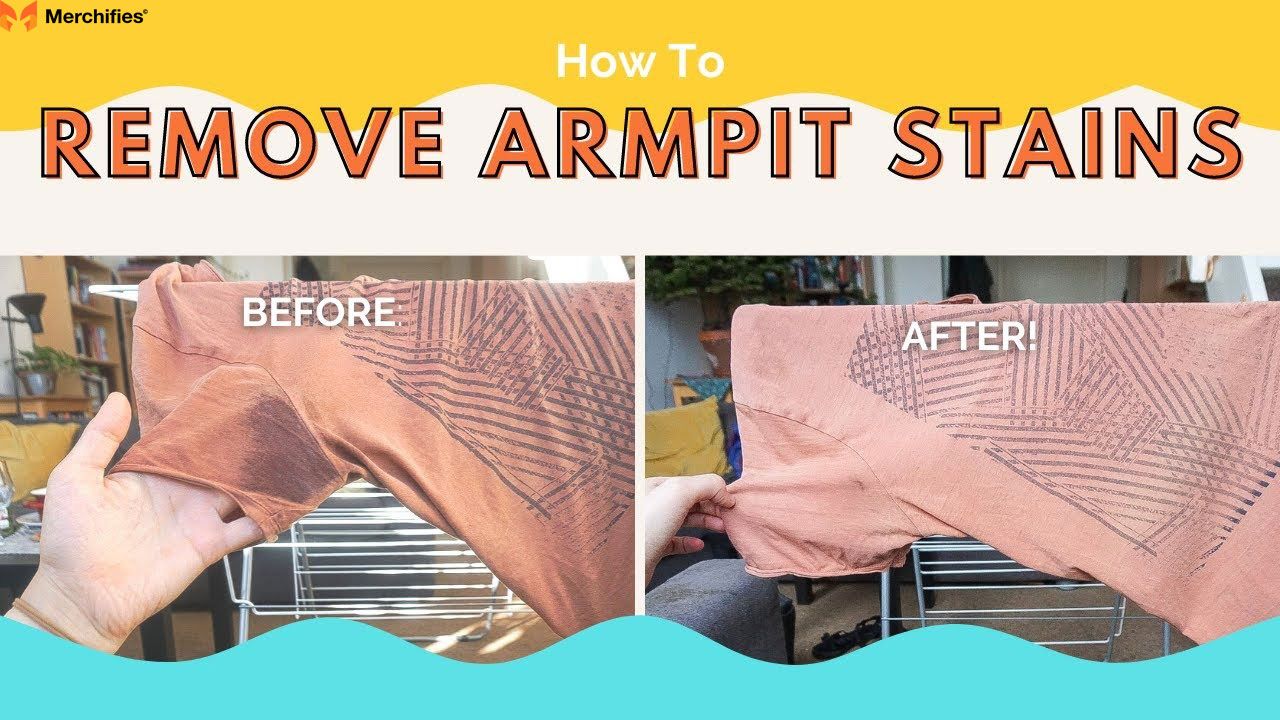
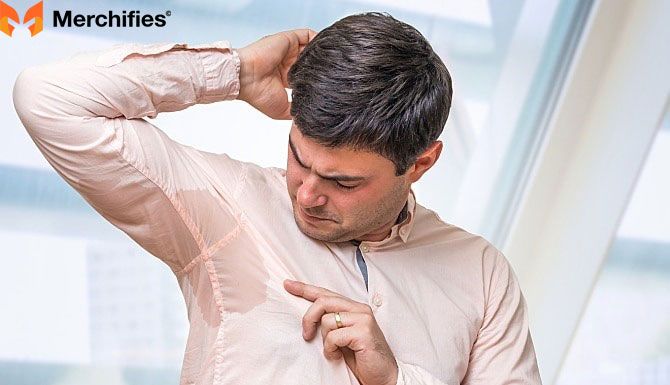
Few things are as frustrating as pulling on your favorite top, only to spot those unsightly armpit stains. Whether it's the stubborn yellow discoloration from sweat and deodorant or the chalky white residue ruining a dark shirt, these "pit stains" can make you feel self-conscious and, let's be honest, make you want to toss perfectly good clothing. But don't despair! According to seasoned home care expert and stain removal enthusiast Hannah Gale, with the right approach, you can effectively remove existing armpit stains and, even better, prevent them from ever coming back. This comprehensive guide will equip you with tried-and-tested solutions that are safe for your fabrics and backed by an understanding of stain chemistry. You're just a few steps away from restoring your shirts to their former glory.
how to get rid of armpit stains
Understanding Armpit Stains: Why They Happen & What You're Up Against
Before you can effectively tackle armpit stains, it’s crucial to understand their origins. Knowing why these marks appear provides the foundation for both successful removal and lasting prevention.
The Science Behind the Stain: Sweat, Deodorant, and Fabric
It's a common misconception that sweat alone causes those notorious yellow armpit stains. In reality, it's a more complex interaction.
Sweat (Perspiration): Human sweat itself is mostly water and is generally colorless. However, it contains proteins, salts, and lipids. When sweat dries and oxidizes, especially when combined with certain chemicals, it can lead to discoloration.
Antiperspirants (Aluminum Compounds): Here's the primary culprit for yellow armpit stains. Most antiperspirants use aluminum salts (like aluminum zirconium tetrachlorohydrex gly) to block sweat ducts. These aluminum compounds react with the proteins in your sweat and the fibers of your clothing, creating that characteristic yellowing. Over time, these reactions can build up, leading to deep-set, crusty stains.
Deodorants (Wax/Oil-based): While deodorants primarily mask odor rather than stop sweat, many contain ingredients like wax, oils, or talc. These can leave behind white, chalky residue, particularly noticeable on dark clothing. These aren't sweat stains, but rather product transfer.
Fabric Type: Certain fabrics are more susceptible to staining. Natural fibers like cotton, linen, and silk are highly absorbent and have open structures that can trap sweat and product more easily than synthetic materials like polyester, which tend to wick moisture away.
Body Chemistry: Individual body chemistry also plays a role. Factors like diet, medication, and hormonal changes can influence sweat composition, making some people more prone to staining than others.
The Science Behind the Stain: Sweat, Deodorant, and Fabric
How to Remove Existing Armpit Stains (Step-by-Step Solutions)
Now for the actionable part! This section provides detailed, step-by-step instructions on how to get rid of armpit stains using various effective methods.
Essential Preparation Before You Start
Success often lies in the prep work. Don’t skip these crucial first steps.
Act Fast: The golden rule of stain removal is to treat stains as quickly as possible. Fresh stains are significantly easier to remove than old, set-in ones.
Identify Stain Type: Is it a yellow sweat stain (likely from antiperspirant interaction) or a white deodorant residue? Different stains often require slightly different approaches for optimal results.
Check Fabric Care Label: Always consult the garment's care label. This will tell you the fabric composition and recommended washing instructions, helping you choose a safe cleaning method. Delicates like silk or rayon require gentler treatment than robust cotton or linen.
Test on an Inconspicuous Area: Before applying any solution to the stain, test it on a hidden part of the garment (like an inside seam) to ensure it doesn’t cause discoloration or damage.
Many common household items can be highly effective at removing armpit stains. These natural methods are often gentler on fabrics and skin.
Method 1: White Vinegar & Water (Yellow Stains)
This is a fantastic option for breaking down those stubborn yellow marks.
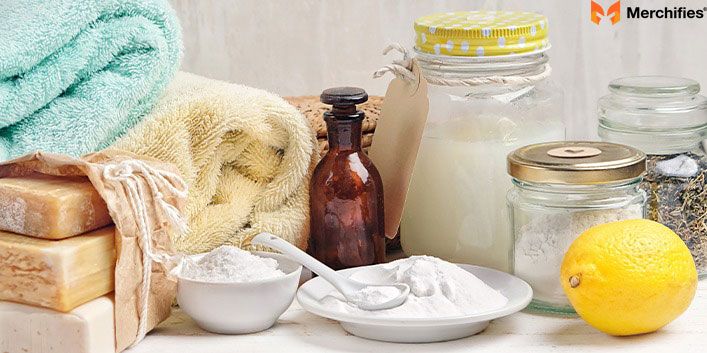
What you need: 1 cup white vinegar, 2 cups warm water, an old toothbrush or scrub brush.
Instructions:
1. Mix the vinegar and water in a basin.
2. Soak the stained area of the garment in the solution for at least 30 minutes, or up to a few hours for really tough stains.
3. After soaking, remove the garment and gently scrub the stain with a brush.
4. Wash the garment as usual in cold water.
Why it works: The acidity of the white vinegar helps to dissolve and break down the aluminum compounds and sweat proteins responsible for the yellow discoloration.
Method 2: Baking Soda Paste (Yellow & White Stains)
Baking soda is a versatile cleaner, excellent for absorbing oils and providing gentle abrasion. It's great for both remove yellow armpit stains and white residue.
What you need: 2-3 tablespoons baking soda, 1-2 tablespoons water.
Instructions:
1. Mix the baking soda and water to form a thick paste.
2. Spread the paste generously over the entire stained area.
3. Let the paste sit on the stain for 30-60 minutes, or overnight for very old stains.
4. Before washing, gently scrub the paste into the fabric with an old toothbrush.
5. Rinse the garment thoroughly and then wash as usual in cold water.
Why it works: Baking soda acts as a mild abrasive, helping to lift residue, and its alkaline nature can help neutralize acids in sweat.
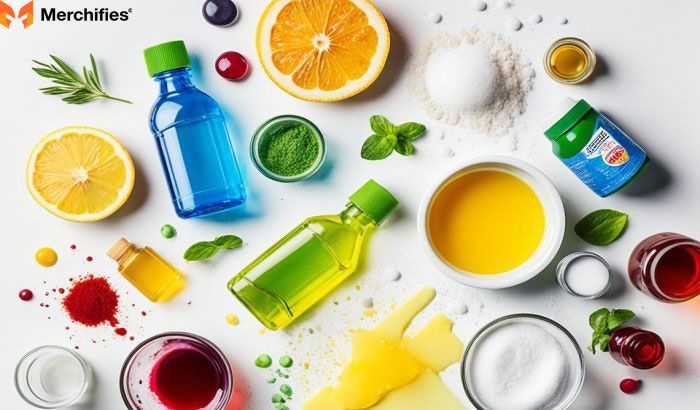
DIY & Natural Stain Removal Methods (Gentle & Effective)
Method 3: Lemon Juice & Salt (Yellow Stains, Sun Bleaching)
This method combines the natural bleaching power of lemon with the abrasive action of salt.
What you need: Juice of 1 lemon, 1 tablespoon salt.
Instructions:
1. Mix the lemon juice and salt to create a paste.
2. Apply the paste directly to the underarm stains.
3. Rub the mixture into the fabric gently.
4. If safe for the fabric, lay the garment in direct sunlight for 1-3 hours. The sun's UV rays enhance the bleaching effect of the lemon.
5. Rinse thoroughly and wash as usual.
Why it works: Citric acid in lemon juice is a natural bleach, and salt provides gentle scrubbing power. Sunlight enhances the whitening process. (Be cautious with colored fabrics; test first.)
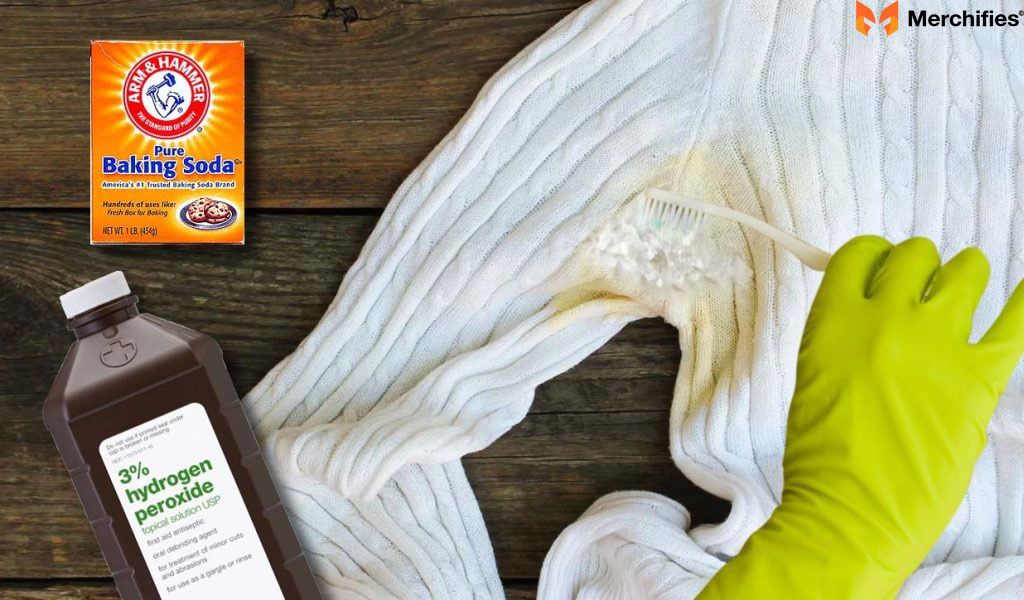
Method 4: Hydrogen Peroxide & Baking Soda (For White Fabrics Only, Yellow Stains)
For white shirts with stubborn sweat stains, this combination offers a powerful, oxygen-based cleaning action.
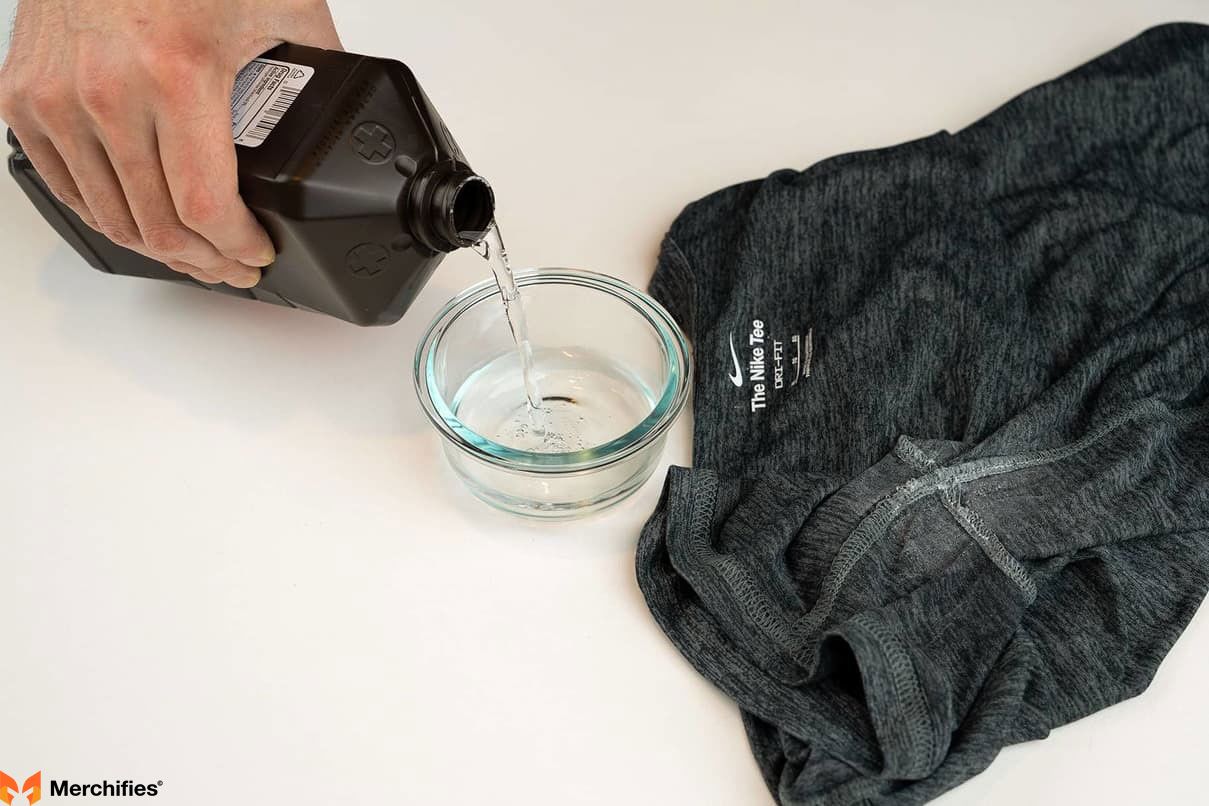
What you need: 1 part hydrogen peroxide (3%), 1 part baking soda, 1 part water.
Instructions:
1. Mix equal parts hydrogen peroxide, baking soda, and water to form a paste.
2. Apply the paste to the yellowed armpit areas.
3. Let it sit for at least 30 minutes, up to an hour.
4. Scrub gently with a brush.
5. Rinse well and wash as usual.
Why it works: Hydrogen peroxide is an oxygen-based bleach that breaks down organic compounds, while baking soda boosts its effectiveness and helps lift the stain. Never use on colored fabrics without testing first, as it can cause discoloration.
Hydrogen Peroxide & Baking Soda (For White Fabrics Only, Yellow Stains)
Sometimes, despite your best efforts with natural remedies, you need a little extra help. Here are some commercial options for how to get rid of armpit stains.
Oxygen Bleach (e.g., OxiClean): Products containing oxygen bleach are excellent for tackling yellow pit stains and are generally safe for colored fabrics (always test first!).
How to use: Pre-treat by making a paste with the powder and water, applying it to the stain, and letting it sit for 10-30 minutes. For heavily soiled items, a longer soak in a solution of oxygen bleach and water (following product instructions) can be very effective.
Benefits: Breaks down tough stains without the harshness of chlorine bleach, making it a great best armpit stain remover option.
Enzyme-Based Stain Removers: Many commercial laundry pre-treatments are enzyme-based, specifically designed to break down protein and organic stains like blood, grass, and, yes, sweat.
Commercial Stain Removers & Advanced Techniques (When DIY Isn't Enough)
Why they work: Similar to meat tenderizer, these powerful enzymes target and digest the stain-causing proteins.
Application tips: Apply directly to the stain, let it penetrate for the recommended time (usually 5-10 minutes), then wash.
Dedicated Deodorant Stain Removers: There are products specifically formulated to dissolve white deodorant stains and residue.
Specific products: Look for laundry pre-treatments marketed for "deodorant" or "antiperspirant" stains.
Best for: These are highly effective for the white, crusty marks left by product buildup, especially on dark clothing.
Post-Treatment Care: Washing & Drying
Proper post-treatment is just as important as the stain removal itself to ensure success.
Wash as Usual: After treating the stain, wash the garment in your washing machine using cold water. Cold water helps prevent any remaining stain particles from setting.
Do NOT Machine Dry Until Stain is Gone: This is a critical step! Heat from a dryer will permanently set any lingering stain, making it almost impossible to remove later. Always air dry the garment first and check to ensure the stain is completely gone before putting it in the dryer. If the stain persists, repeat your chosen treatment method.
How to Prevent Armpit Stains: Stop Them Before They Start
The best way to deal with armpit stains is to avoid them altogether. Hannah Gale emphasizes that proactive measures are often simpler than retroactive cleaning. Implementing these strategies will help you prevent armpit stains and keep your wardrobe looking fresh.
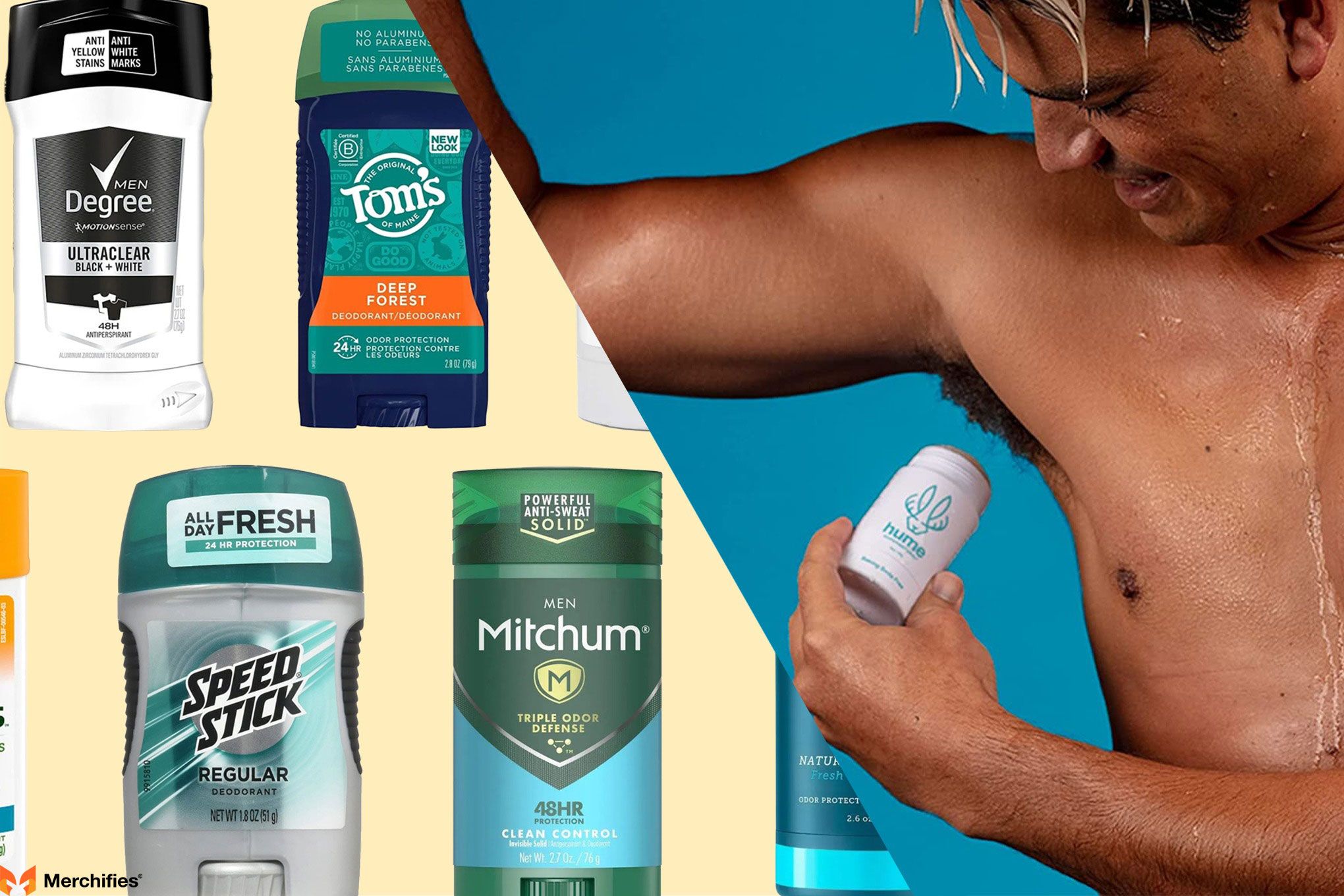
Smart Deodorant & Antiperspirant Choices
Your product choice and application method significantly impact stain formation.
Opt for Aluminum-Free Deodorants: As Hannah Gale often advises, if you're consistently getting yellow stains, switching to an aluminum-free deodorant is the most direct way to eliminate the main cause of the problem. While they won't stop you from sweating, they prevent the chemical reaction that causes yellowing.
Apply Thinly & Let Dry Completely: Whether using deodorant or antiperspirant, apply a thin layer and allow it to dry completely before dressing. This reduces the amount of product that transfers to your clothes, minimizing white residue and potential yellowing.
Smart Deodorant & Antiperspirant Choices
Consider Gel or Roll-On Options: Some people find that gel or roll-on antiperspirants are easier to apply thinly and dry faster than stick formulations, which can leave thicker residue.
Antiperspirants for Heavy Sweaters: If you struggle with heavy sweating and need antiperspirant, consider applying it at night. Your sweat glands are less active while you sleep, allowing the aluminum salts more time to absorb and form plugs, which can be more effective.
Clothing Care & Habits
Your laundry routine and dressing habits can make a big difference.
Wear Undershirts or Sweat Pads: A thin undershirt (made of breathable cotton or a wicking material) or disposable sweat pads can create a barrier between your skin/sweat and your outer clothing. This is an incredibly effective way to prevent pit stains on your favorite shirts.
Wash Clothes Promptly: Don't let sweat sit in your clothes for days. Wash sweaty garments as soon as possible after wearing to prevent the oxidation process that leads to yellow sweat stains.
Don't Overload the Washing Machine: Give your clothes enough space to move freely in the washing machine. Overloading prevents proper agitation and rinsing, leading to ineffective cleaning and potential buildup.
Choose Breathable Fabrics: Opt for natural, breathable fabrics like cotton, linen, bamboo, or wool. These materials allow air to circulate and moisture to evaporate more easily, helping to reduce overall sweating.
Avoid Over-Drying Clothes: Just like with stain removal, excessive heat can "bake in" minor residue or invisible sweat, potentially leading to faster stain development.
Personal Hygiene & Lifestyle Adjustments
Sometimes, simple personal habits can contribute to the problem.
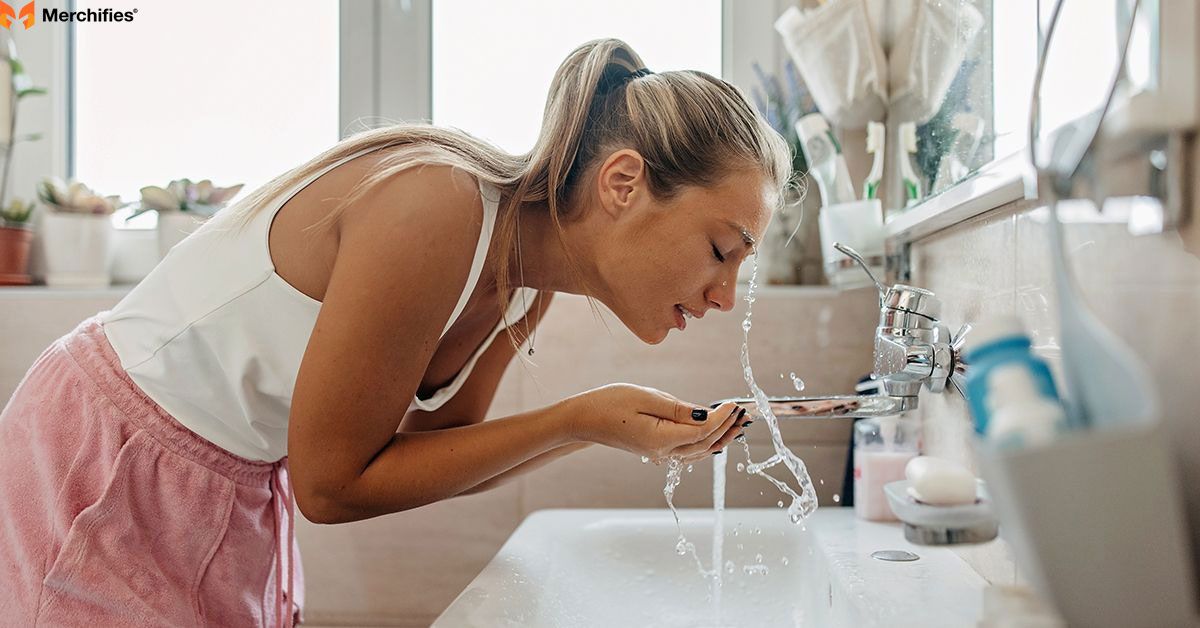
Shower Regularly: Regular showering helps wash away bacteria that interact with sweat, which can contribute to both odor and potential staining.
Shaving Armpits: Armpit hair can trap sweat and deodorant, making it harder to clean and potentially leading to more residue buildup and staining. Keeping the area shaved or trimmed can help.
Dietary Considerations (Optional): While not a guaranteed fix, some people find that certain foods or drinks (like caffeine, spicy foods, or alcohol) can increase sweating. Paying attention to your diet might offer a small benefit.
Personal Hygiene & Lifestyle Adjustments
Advanced Tips & Common Mistakes to Avoid
Even with the right methods, a few key pieces of advice can make all the difference when learning how to get rid of armpit stains.
Don't Use Chlorine Bleach on Yellow Stains: This is a common and critical mistake! Chlorine bleach can react with the proteins and aluminum compounds in yellow armpit stains, often making them even more yellow and permanently set. Stick to oxygen bleaches for whitening.
Avoid High Heat: Until you are absolutely certain the stain is completely gone, keep heat away from the stained area. This means no hot water washes and definitely no machine drying.
Layering Matters: As mentioned, an undershirt is your best defense. It's much easier to replace or treat an undershirt than your expensive outer garments.
Professional Cleaning: For delicate fabrics, vintage items, or particularly stubborn, old pit stains you're afraid to tackle yourself, consider taking the garment to a professional dry cleaner. They have specialized tools and chemicals that can often work miracles.
Conclusion
how to get rid of armpit stains
Armpit stains don't have to be a permanent fixture in your wardrobe. With the understanding and practical tips shared in this guide, you now have the knowledge and tools to effectively remove existing stains and, more importantly, prevent new ones from forming. From simple DIY solutions like vinegar for armpit stains and baking soda armpit stains to smarter laundry habits and deodorant choices, you're empowered to keep your shirts looking clean and fresh. As Hannah Gale underscores, you don't have to throw away good clothes due to these common annoyances. Embrace these strategies, and enjoy the confidence that comes with an impeccably clean wardrobe!
-da0801079a650a2e.jpeg)

-d4c38c342cdf20ca.jpeg)


-b555fcc6b204c456.jpeg)