
-da0801079a650a2e.jpeg)
17 Year Anniversary Quotes: 110+ Funny, Romantic & Furniture Wishes (2026)
Mar, 12 2026

"Pen ink stains? Act fast! Blot excess ink, apply rubbing alcohol or hairspray, let sit 5 minutes, rinse with cold water, then wash normally. Works on most fabrics. Test on hidden area first."
Discovering a pen ink stain on your favorite shirt or a brand new pair of pants can be incredibly frustrating. It’s that immediate sinking feeling, followed by the thought: "Is this ruined forever?" While ink stains might seem daunting and permanent, the good news is that they are often quite removable with the right techniques and a little patience.
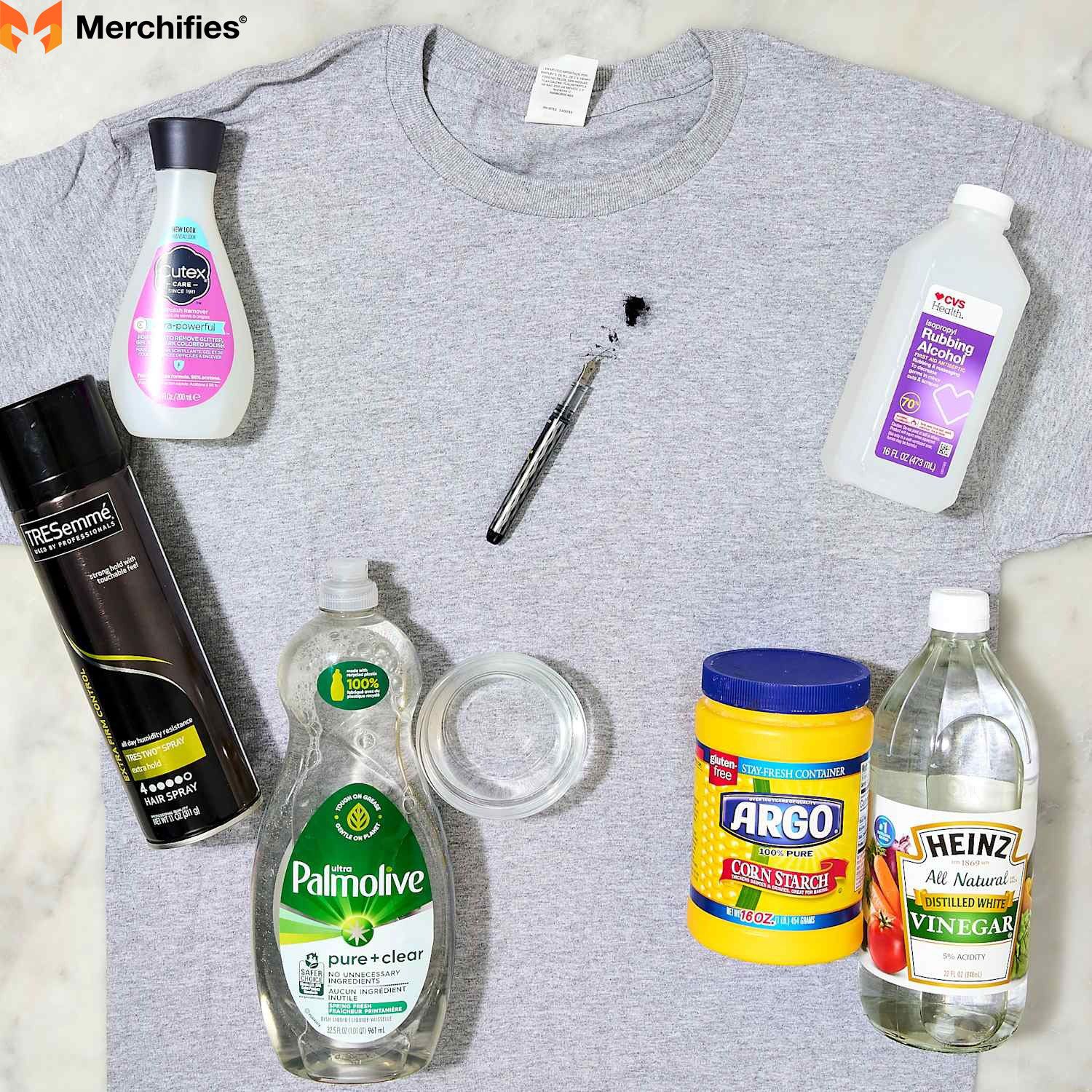
In this ultimate guide, we’ll equip you with practical, step-by-step methods using common household items to effectively tackle those stubborn ink marks. We'll also share essential tips and crucial warnings to ensure you save your clothes without causing further damage. As Hannah Gale, an experienced professional who has spent years testing and refining home cleaning solutions, often shares, understanding the science behind stain removal is key to keeping your wardrobe looking its best. With her insights, you'll learn how to approach any ink stain with confidence.
The golden rule of stain removal is simple: the sooner you act, the higher your chances of complete and successful removal. Time is truly of the essence when dealing with fresh ink.
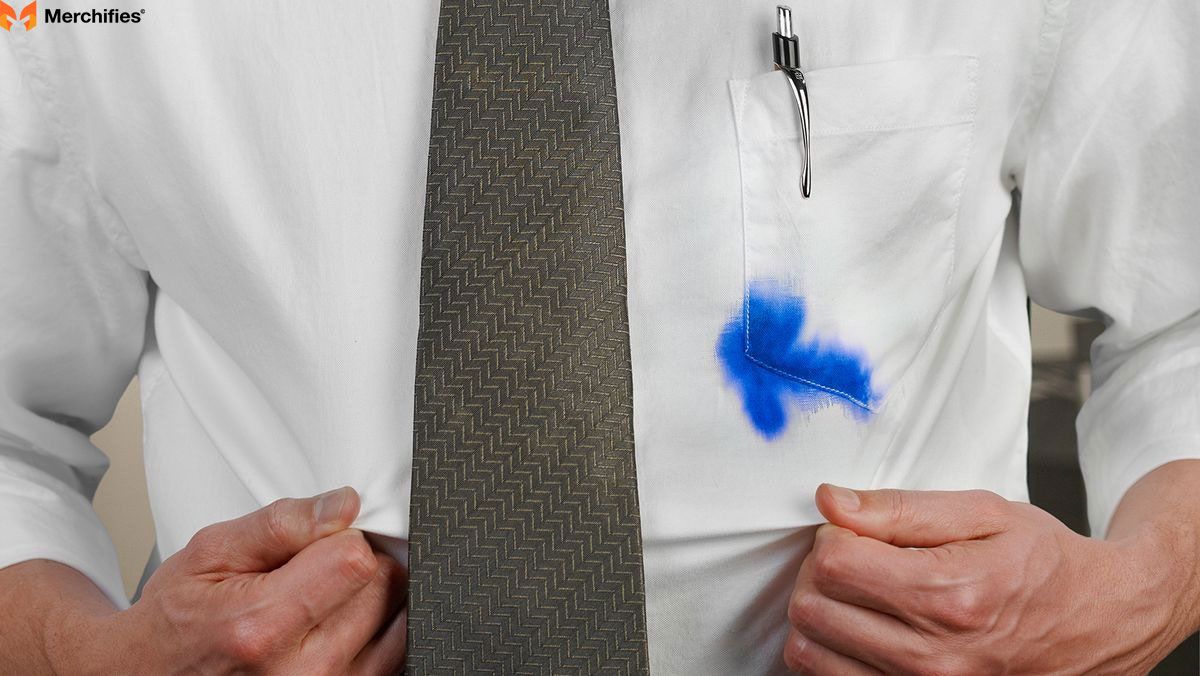
Before you dive into any cleaning method, a few preparatory steps can make all the difference in achieving a perfect, damage-free result. These tips are vital for both your garment's integrity and your peace of mind.
Prevention is better than cure, especially when it comes to potential fabric damage. Before applying any cleaner to the visible stain, always test it on a hidden part of the garment – an inside seam, the hem, or an area that won't show. This prevents potential discoloration, fading, or damage, especially on delicate or brightly colored fabrics. Wait a few minutes to see how the fabric reacts before proceeding.
Different fabrics react uniquely to stain removers. For instance, sturdy cottons and denims can often withstand more aggressive treatments, while delicate materials like silk, wool, or rayon require gentler approaches to avoid shrinking, stretching, or damage. Synthetic fabrics like acetate or triacetate can even dissolve with certain chemicals like acetone.
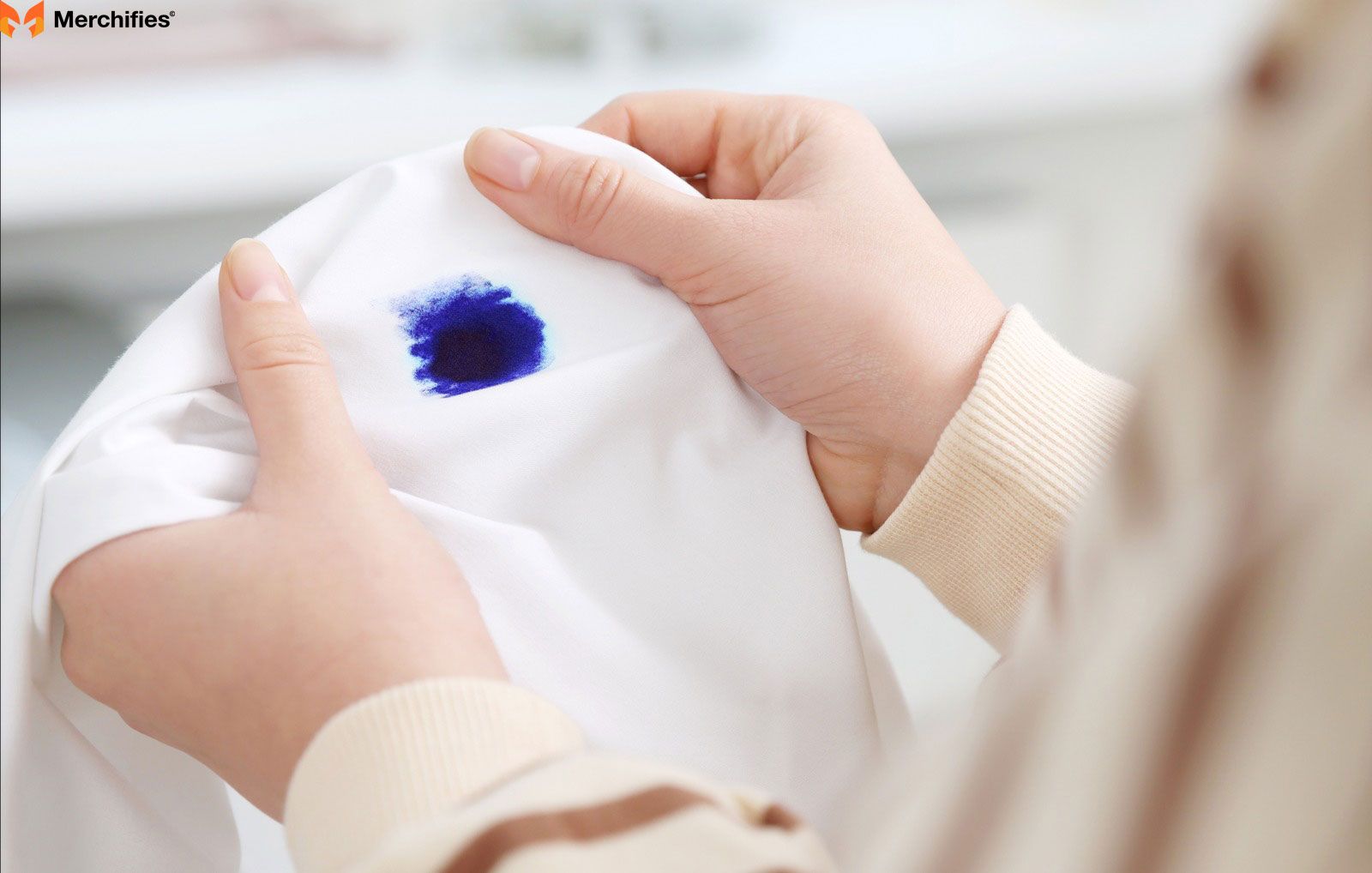
While not always easy to determine, knowing the type of ink can give you an edge. Ballpoint pen ink is typically oil-based, while gel pens use water-based gel ink, and permanent markers contain alcohol-based solvents. Though many methods are versatile, some work particularly well for specific ink types. For example, alcohol-based solutions are often highly effective on ballpoint pen ink.
Tackling an ink stain requires a strategic approach. What works best depends on the type of ink, the fabric, and how long the stain has been there. Here’s how to get pen ink out of clothes using a variety of proven techniques. Remember, persistence is key!
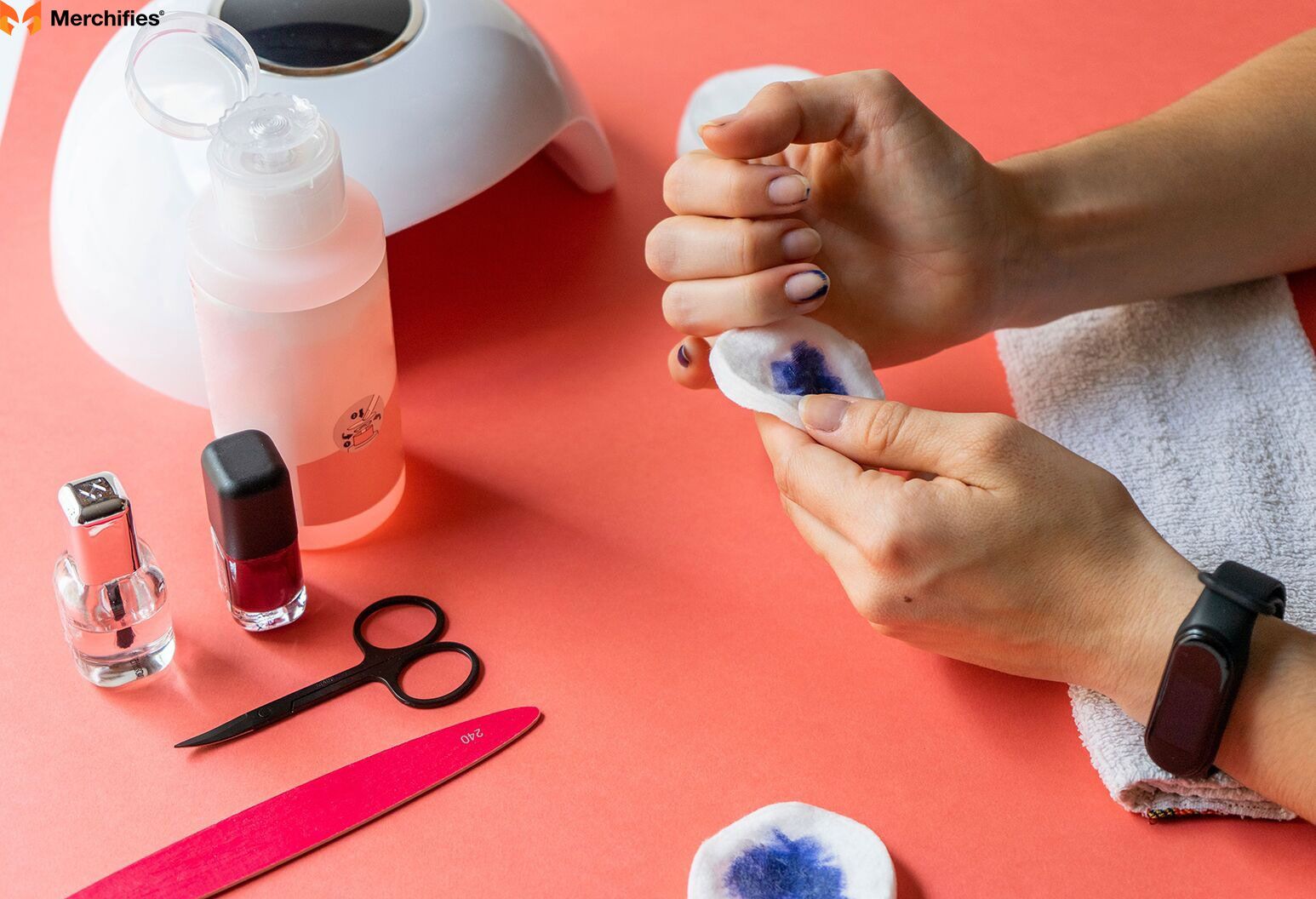
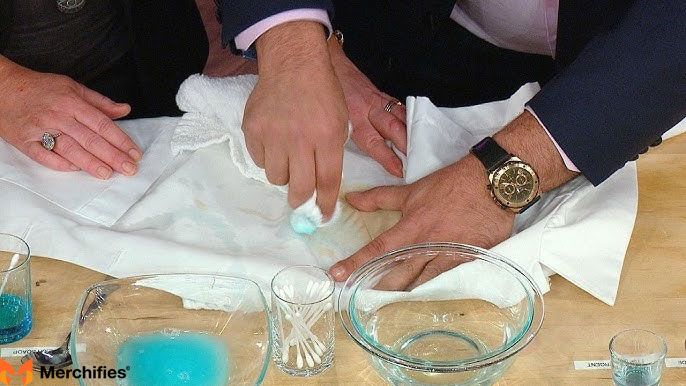
Rubbing alcohol is a go-to for many ink stains, especially ballpoint. Its solvent properties help break down the ink.
1. Place a thick stack of clean paper towels directly under the stained area of the fabric. This will absorb the ink as it lifts, preventing it from transferring to the other side of your garment.
2. Dab rubbing alcohol onto the ink stain using a cotton ball or a corner of a clean white cloth. Apply just enough to saturate the stain, but don't over-soak the fabric.
3. Blot (do not rub!) the stain firmly, moving to a clean area of the cloth/paper towel as the ink transfers. You'll see the ink begin to lift and transfer to the blotting material. Repeat this process until no more ink comes out.
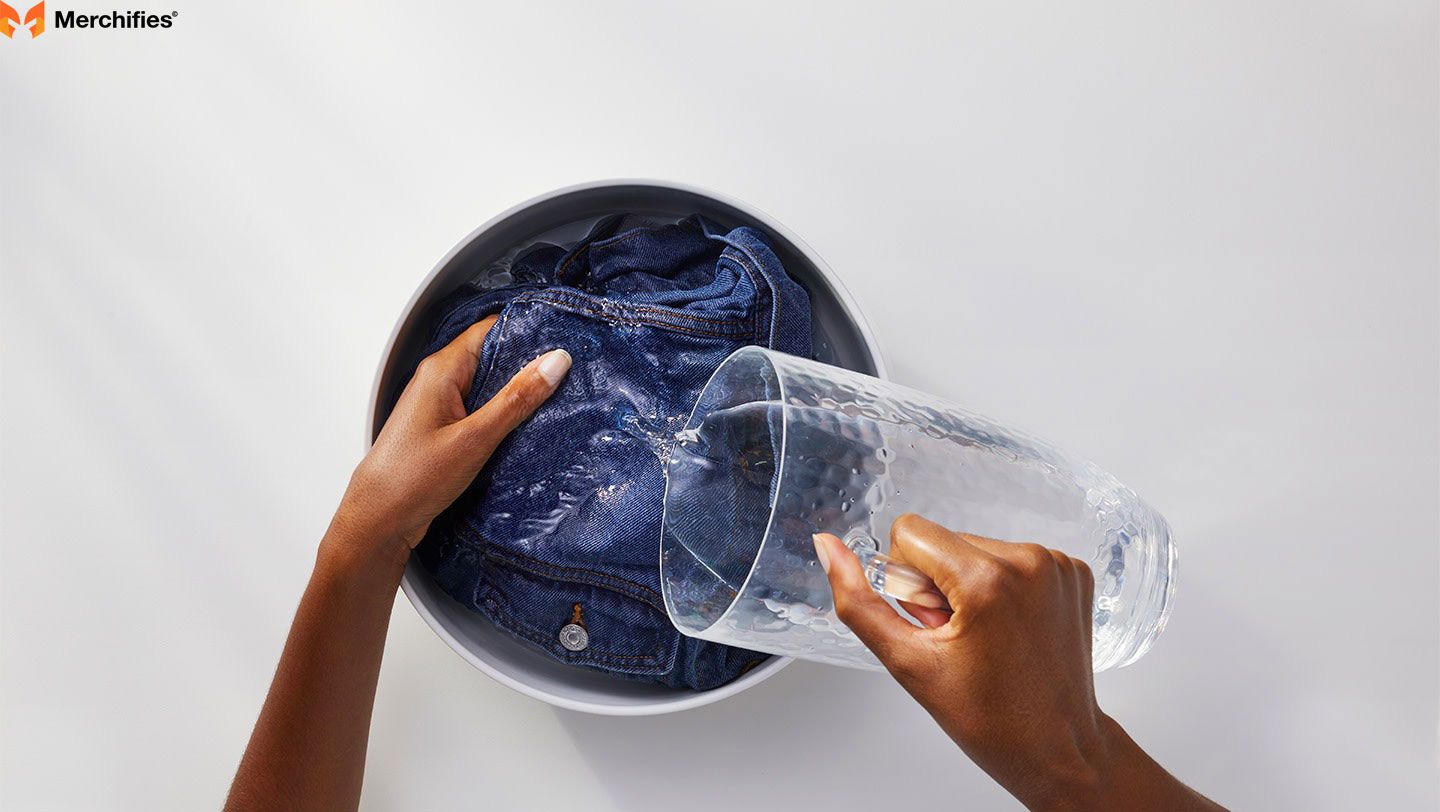
4. Rinse the treated area thoroughly with cold water to remove any residual alcohol and loosened ink.
5. Wash the garment as usual, following the care label instructions. Air dry to ensure the stain is completely gone before exposing it to heat.
Tips: This method is generally safe for most fabrics and is particularly effective for oil-based ballpoint pen ink.
Many hand sanitizers contain a high percentage of alcohol, making them a convenient, on-the-go alternative to rubbing alcohol.
Tips: An excellent quick fix when you're out and about and need to act fast.
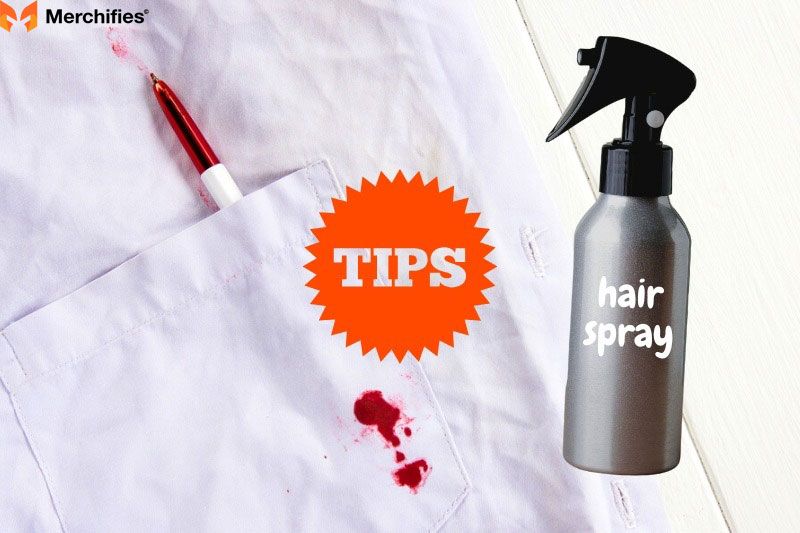
An old but effective trick, hairspray (specifically alcohol-based formulas) can work wonders on ink stains.
Tips: Always check the ingredients list to ensure the hairspray contains alcohol for best results.
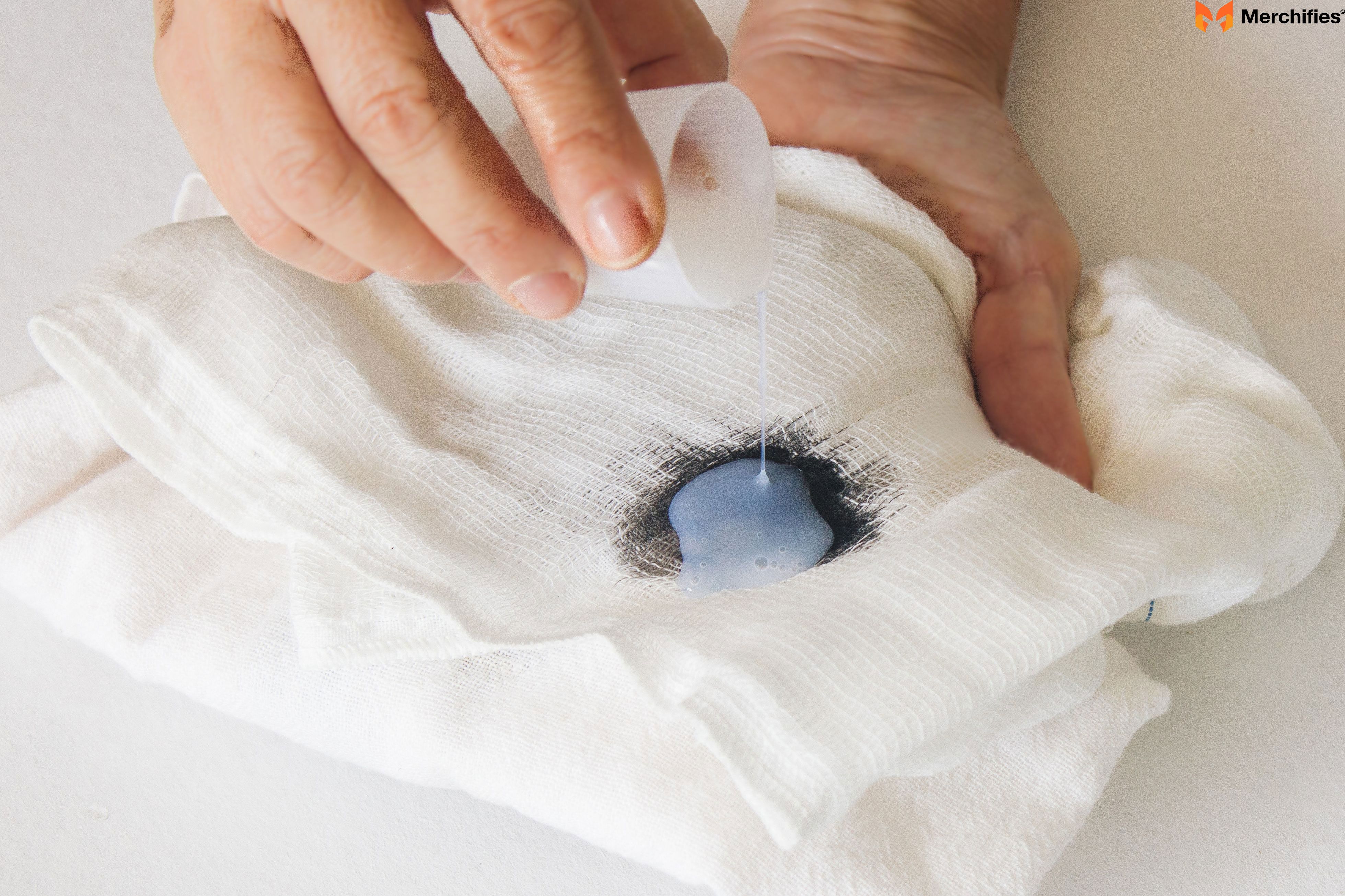
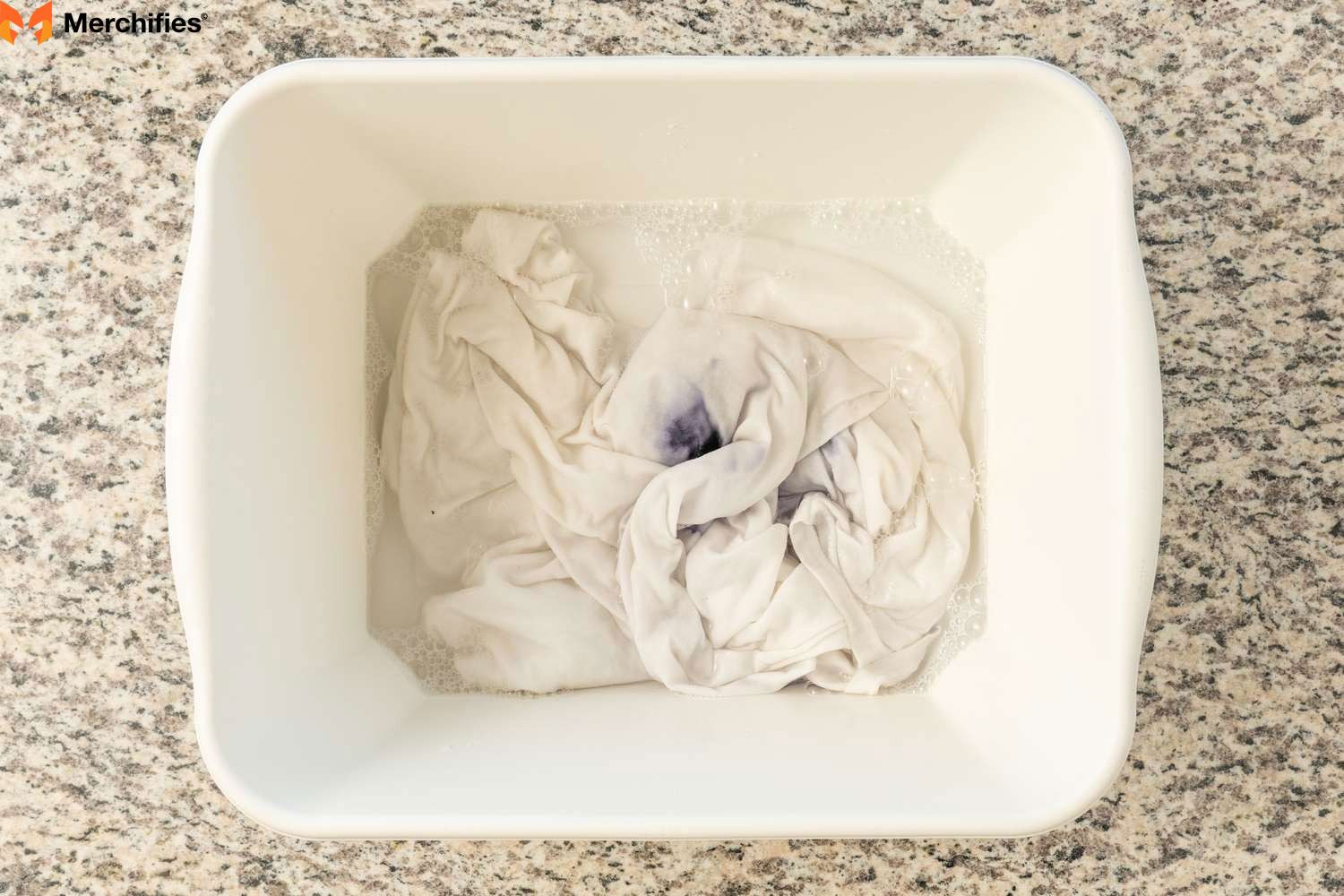
For fresher, lighter ink stains, a simple dish soap solution can often be sufficient and is a gentler option for many fabrics.
Tips: This method is particularly good for fresh, water-based ink stains and is a safer bet for more delicate materials.
This natural remedy is effective for a variety of stains, including ink, and is gentle on fabrics.
Tips: A great natural solution for various types of stains and an alternative to harsh chemicals.
Believe it or not, milk can be an surprisingly gentle and effective way to get pen ink out of clothes, especially for natural fibers.
Tips: This is a particularly good and gentle option for delicate fabrics like wool or silk that might be damaged by stronger solvents.
Acetone can be very powerful for breaking down ink, but it comes with significant risks.
Understanding your fabric type isn't just a recommendation; it's a critical step to successful stain removal and preventing irreversible damage. Hannah Gale often emphasizes that tailoring your method to the fabric is just as important as the stain remover itself.
Delicate fabrics require a gentle touch. For silk, wool, and rayon, avoid harsh scrubbing, strong solvents like acetone, or high heat. Methods like the milk soaking method or the dish soap and water technique are preferred. Always spot test first, and consider professional dry cleaning if you're unsure or the stain is significant. Gently blotting is key, as vigorous rubbing can damage the fibers.
Durable fabrics like cotton, denim, and polyester are generally more forgiving. They can often withstand stronger treatments like the rubbing alcohol technique or hairspray method. However, always blot rather than rub to prevent the ink from spreading, and ensure thorough rinsing before washing. Even with sturdy fabrics, a quick patch test is always a good idea.
When you need to get pen ink out of clothes, the color of the fabric matters. On white clothes, you have more options, including carefully diluted bleach for very stubborn stains (after trying other methods). However, bleach should never be used on colored clothes as it will cause permanent discoloration or fading. For colored garments, stick to the gentler methods and always test for colorfastness first. Focus on lifting the ink without stripping the dye.
Knowing what to avoid is just as important as knowing what to do. These warnings will help you prevent setting the stain permanently or damaging your clothing.
Even after successfully pre-treating an ink stain, a good washing machine is crucial for a complete and thorough clean. Modern washing machines offer features that can make the final step of stain removal even more effective.
Many contemporary washers come equipped with specialized stain cycles designed to target specific types of marks, often using varying temperatures and agitation patterns. Features like steam functions can help to loosen dirt and stains before the main wash, while pre-soak options allow garments to sit in water and detergent, further breaking down any remaining ink particles. Temperature control is also vital; choosing the right water temperature for your fabric (usually cold for delicates and colors, warm for whites) ensures the stain is washed away without setting or causing damage. Discover how combining effective pre-treatment with advanced washing machine capabilities can truly optimize your laundry routine for effortless stain removal.
Don't let an ink stain send your favorite clothes to the discard pile. As Hannah Gale wisely advises, with the right knowledge and a bit of patience, most ink stains are entirely manageable. By acting quickly, understanding your fabric, and applying these proven techniques, you can effectively tackle pen ink marks and save your garments.
So, the next time disaster strikes, remember this ultimate guide. You now have the tools and confidence to conquer those ink stains and keep your wardrobe looking pristine. Share your success stories with us, or for truly stubborn or complex stains, don't hesitate to consult a professional dry cleaner.
-d4c38c342cdf20ca.jpeg)


-b555fcc6b204c456.jpeg)