-da0801079a650a2e.jpeg)
17 Year Anniversary Quotes: 110+ Funny, Romantic & Furniture Wishes (2026)
Mar, 12 2026

Learn how to design Native American T-shirts with cultural respect and authenticity — honoring traditions, avoiding stereotypes, and celebrating Indigenous artistry the right way in 2025.
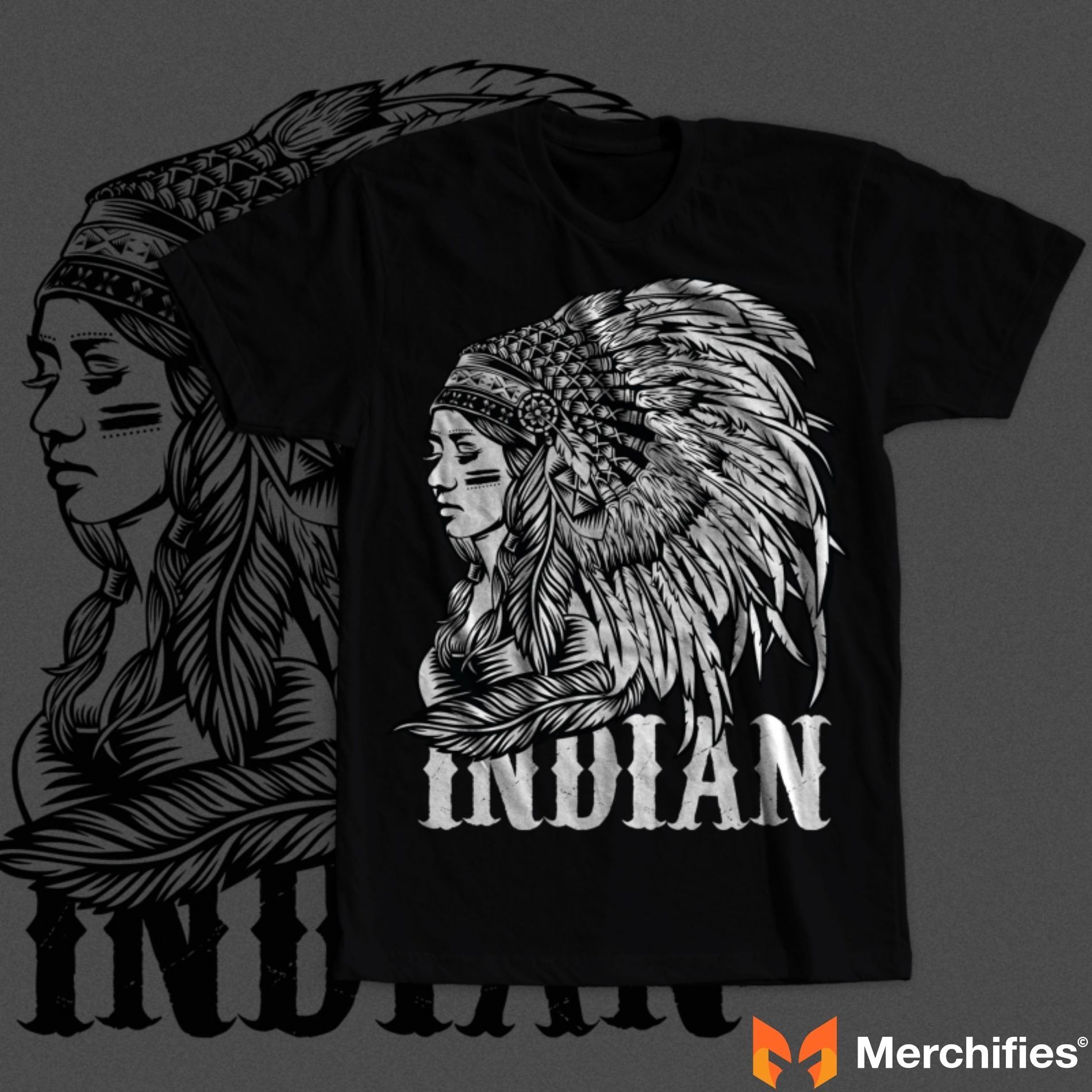
The rich artistic heritage and profound beauty of Native American cultures naturally draw designers and artists from around the globe. Their intricate patterns, meaningful symbols, and vibrant storytelling have inspired countless creations. However, amidst this appreciation lies a crucial, often misunderstood, line: the distinction between drawing respectful inspiration and engaging in harmful cultural appropriation. This line is not always immediately clear, yet understanding it is paramount for ethical creation.
This article, guided by insights from recognized expert Evelyn Sage in ethical fashion design, will provide a comprehensive guide for designers, brands, and individuals on how to approach Native-inspired designs ethically. Our goal is to foster genuine appreciation, encourage meaningful collaboration, and promote profound respect while diligently avoiding the pitfalls of appropriation. Ultimately, understanding the 'why' behind this distinction is as important as learning the 'how' to ensure responsible clothing design.
Before delving into design practices, it’s essential to clarify the fundamental difference between cultural appropriation and true inspiration. This distinction underpins all discussions on designing Native-inspired and Native American design shirts respectfully.
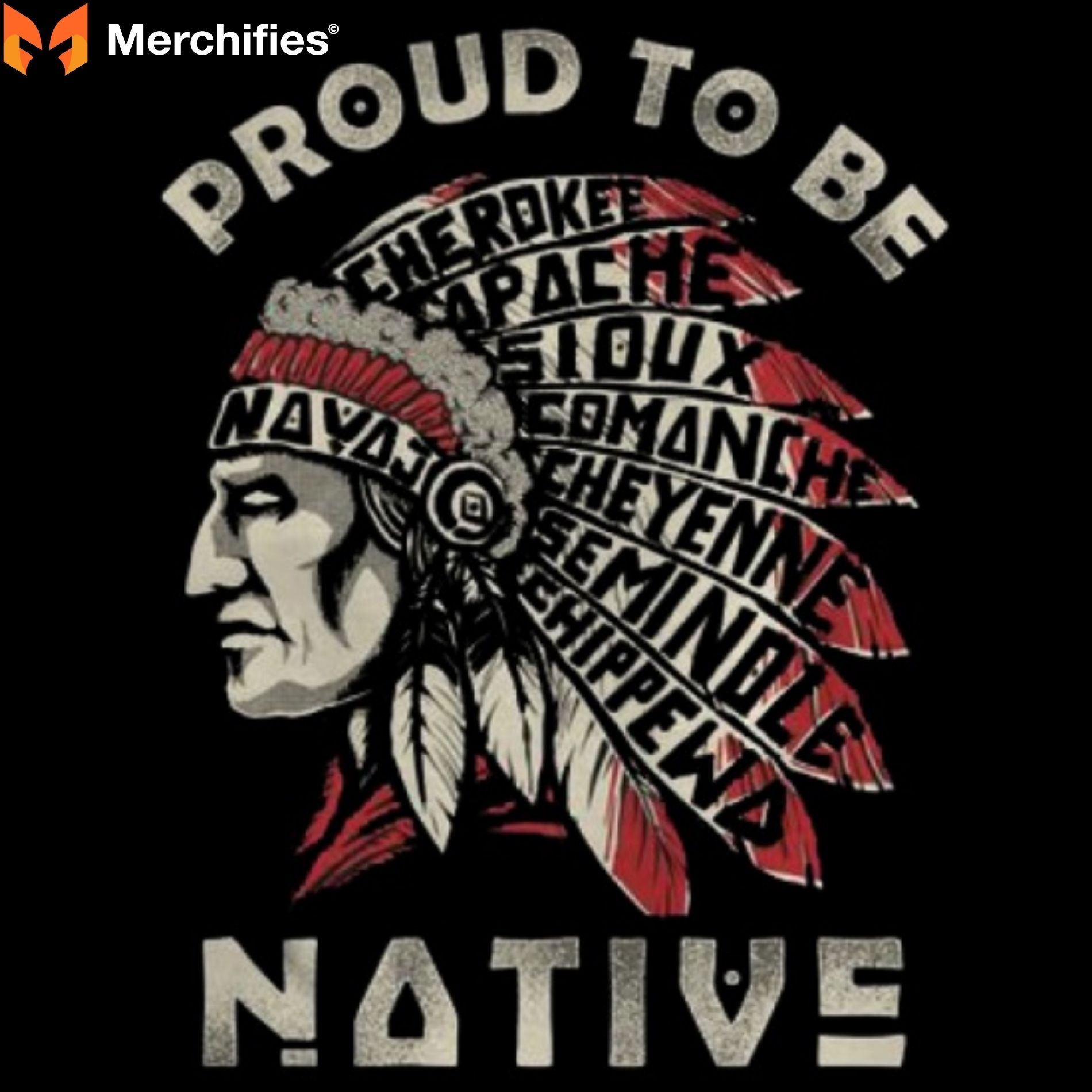
Cultural appropriation in design is the adoption or use of elements of a minority culture by members of the dominant culture without understanding, acknowledgment, or permission, often stripping them of their original meaning and commodifying them for profit. It's not just about taking a "pattern"; it’s about the context of that taking.
Key characteristics include a power imbalance (where the dominant culture profits from a marginalized one), a lack of consent from the original creators, misrepresentation, and the trivialization of profound cultural elements. This often leads to economic exploitation, where non-Native individuals or companies profit while Native artists struggle, and it perpetuates harmful stereotypes. The impact is significant: it erases original creators, disrespects sacred items, and disadvantages indigenous communities who have historically faced cultural theft and suppression.
Conversely, cultural inspiration, or appreciation, involves drawing creative ideas or influence from another culture with deep understanding, genuine respect, proper acknowledgment, and often direct collaboration and benefit for the original culture. It’s about building bridges, not exploiting resources.
The hallmarks of respectful engagement include profound respect for the source culture, a sincere effort to understand the context and meaning of the designs, clear credit given to the origin, and importantly, consent and benefit-sharing with the community or artists involved. This fosters positive cultural exchange, directly supports indigenous artists, promotes mutual understanding, and ultimately enriches global art and design responsibly.
The importance of this distinction goes far beyond potential legal ramifications. It's rooted in the historical context of exploitation faced by Native communities, who have endured centuries of land dispossession, cultural suppression, and the theft of their intellectual property. Many Native designs are not merely decorative; they hold spiritual, ceremonial, or communal significance. Perceiving them as mere "patterns" for commercial gain is a profound act of disrespect. Designers, therefore, bear an ethical responsibility in a globalized world to understand these historical injustices and ensure their work doesn't perpetuate them. This ethical responsibility is crucial for anyone looking to design native shirts respectfully, cultural inspiration vs appropriation being the core challenge.
To truly design native shirts respectfully, cultural inspiration vs appropriation demands a foundational understanding of the cultures from which inspiration might be drawn.
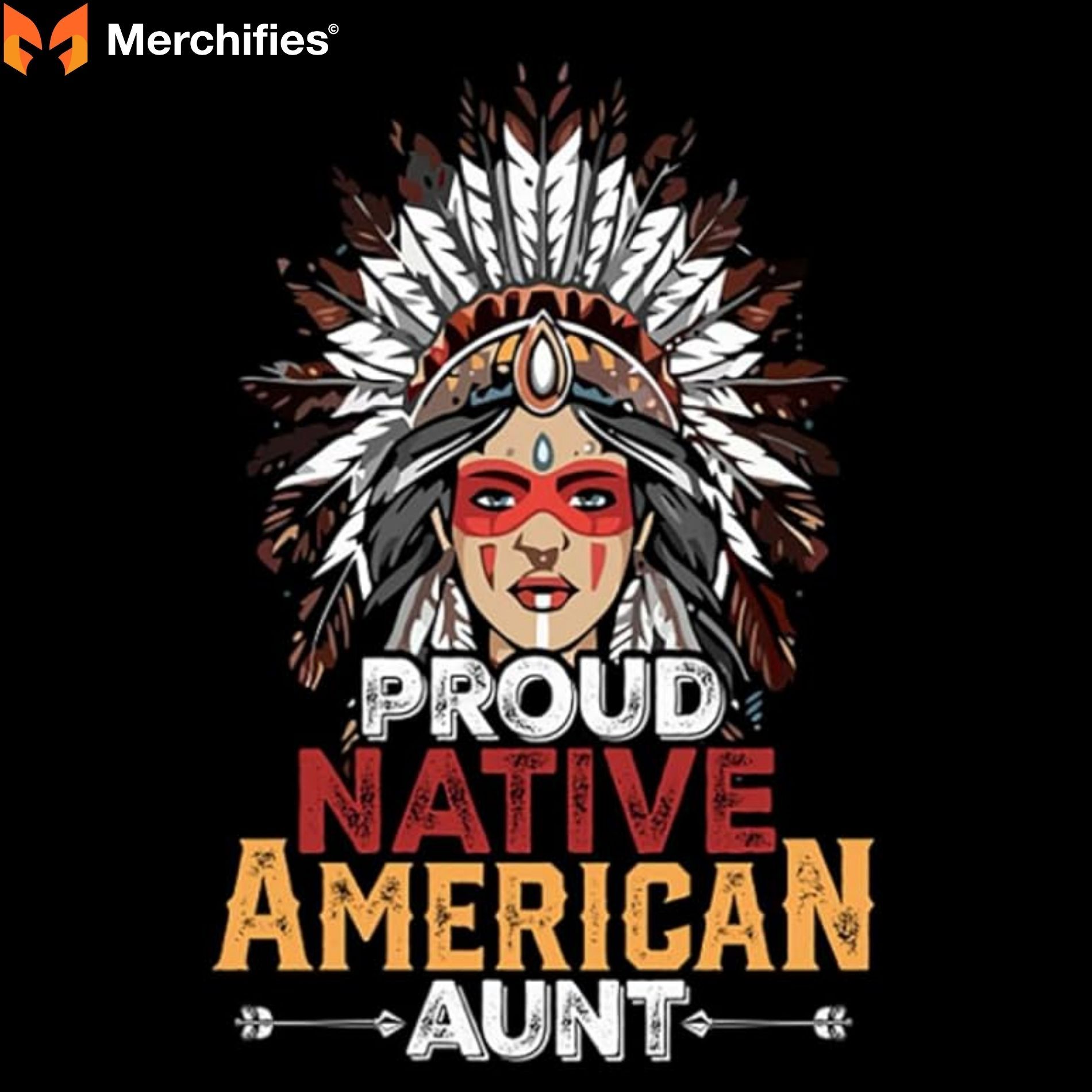
It's vital to emphasize that "Native American" is not a monolith. North America is home to hundreds of distinct tribes, each with its own unique languages, governance structures, spiritual beliefs, and artistic traditions. From the intricate beadwork of the Plains nations to the geometric pottery of the Pueblo peoples, or the weaving traditions of the Navajo, the artistic landscape is incredibly diverse. Each design often tells a specific story, represents tribal identity, or holds spiritual significance unique to that particular community. A feather motif for one tribe might have an entirely different meaning, or no meaning at all, for another.
Many traditional designs are far more than aesthetic choices; they are imbued with deep spiritual, ceremonial, or historical meaning. They can represent creation stories, clan affiliations, healing practices, or specific sacred events. Some patterns are exclusive to certain clans, ceremonies, or individuals and are never meant for public, commercial use, especially outside their cultural context. Using such designs without permission or understanding can be profoundly offensive and disruptive to the original culture. This is a key aspect of cultural sensitivity in design.
A brief overview of colonial impacts, land dispossession, and systematic cultural suppression is essential. For centuries, Native American cultures have been denigrated, their practices outlawed, and their sacred items looted or replicated for profit by outsiders. This history makes indigenous intellectual property rights particularly sensitive and necessitates extreme caution and respect when approaching their designs. Failing to acknowledge this painful past, as Evelyn Sage often stresses, is to ignore the very foundation of why respectful engagement is so critical today.
Moving from theory to practice, here’s a guide to ensure your approach to design native shirts respectfully, cultural inspiration vs appropriation truly embodies ethical principles. This framework emphasizes responsible clothing design and ethical fashion design.
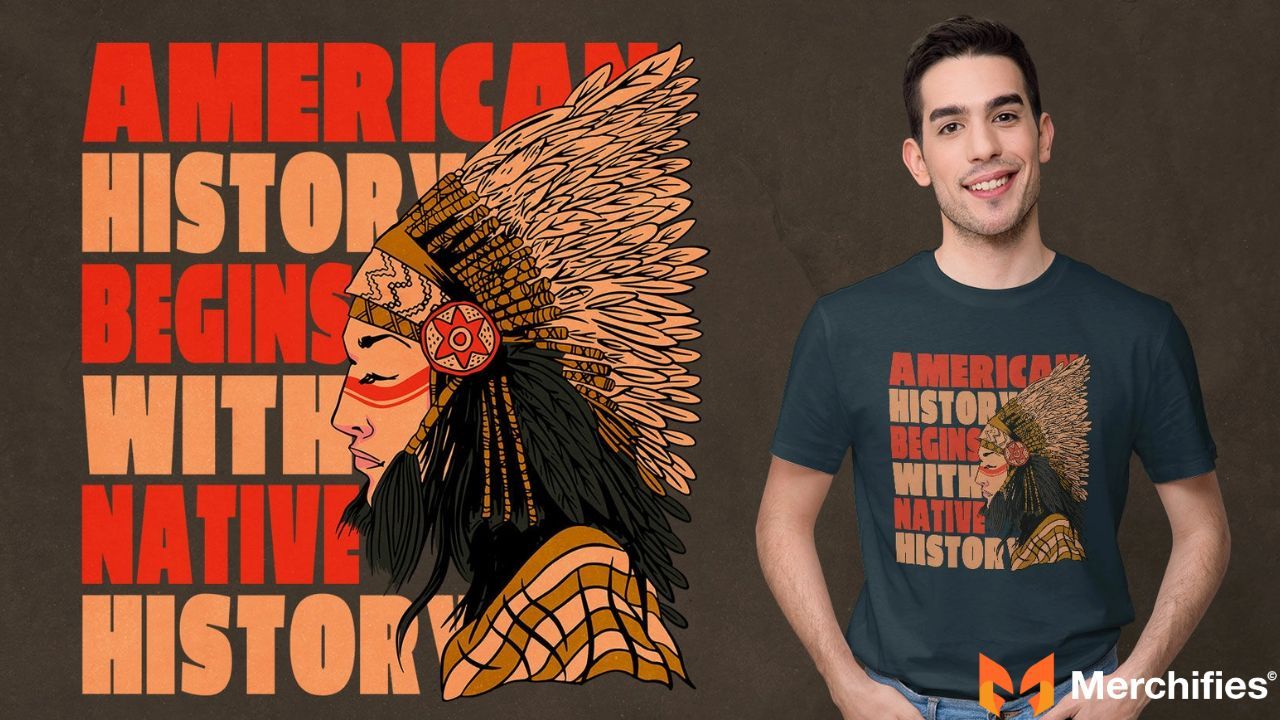
True respect begins with knowledge. Before you even sketch, dedicate significant time to learning from Native voices and resources. Understand the origin, meaning, and cultural context of any design element that catches your eye. This means going beyond a quick Google search. Utilize reputable academic sources, tribal archives, and community resources (always with permission or through established channels). Avoid generic or stereotypical imagery (e.g., "Chief" logos, generic feathers/headdresses), which are almost always reductive and offensive. As Evelyn Sage advises, "If you don't know the story behind it, you haven't done enough research."
This is perhaps the most crucial step for avoiding cultural appropriation. Instead of merely being "inspired by" a culture, seek genuine collaboration.
Respectful design extends to tangible support and clear communication.
Recognize that traditional cultural expressions (TCEs) are often considered collective intellectual property, protected by communities, not just individuals. Many designs are simply not available for use, regardless of good intentions or perceived public domain status. Be aware that seeking permission might mean being told "no," and that "no" must be respected. This demonstrates true respectful indigenous inspiration.
Question your motivation: Is your interest a genuine appreciation for the culture's depth, or merely capitalizing on a fleeting fashion trend? Authenticity, born from deep respect and understanding, will resonate more deeply and respectfully than a design driven by a temporary market desire. Prioritize meaningful storytelling over quick profit.
The journey of ethical design is ongoing. Be open to feedback, especially from Native communities, and recognize that mistakes can happen. How you respond to feedback – with humility, a willingness to learn, and corrective action – is crucial. Commit to ongoing education and self-reflection in your design process.
When aiming to design native shirts respectfully, cultural inspiration vs appropriation demands knowing what not to do.
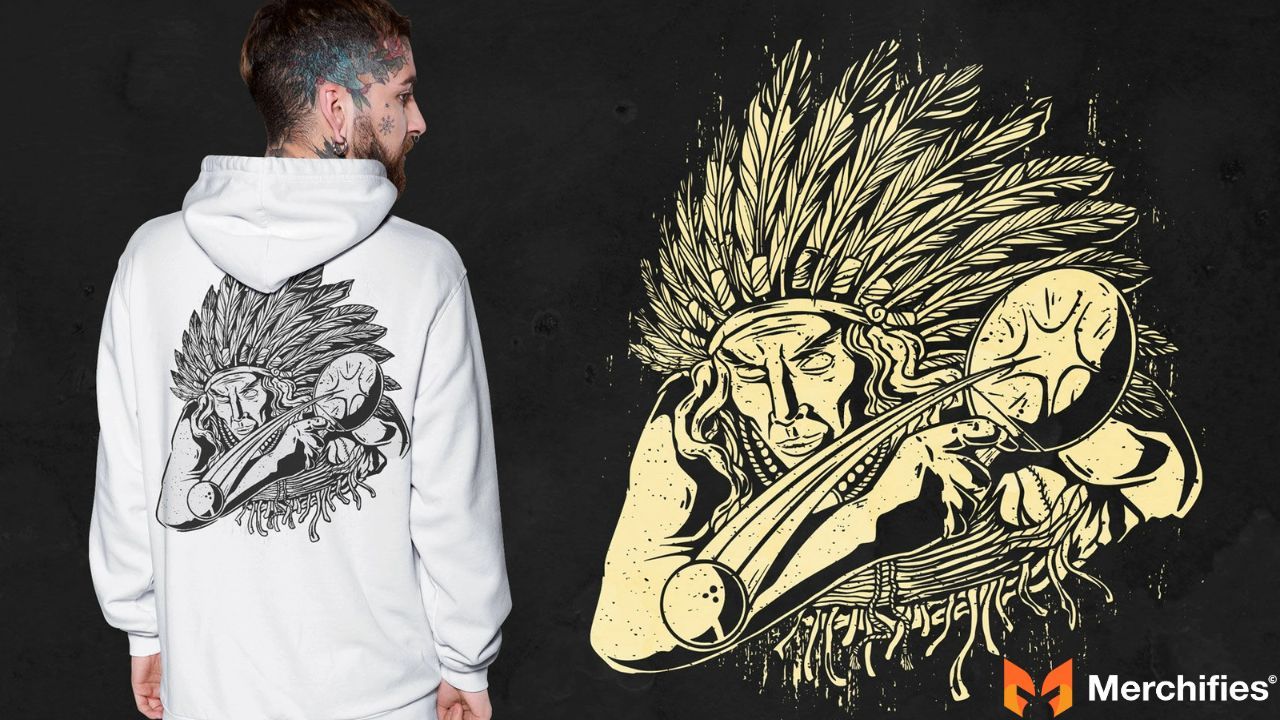
This is a widespread and harmful pitfall. Avoid elements like generic feathers, war bonnets, "tribal" geometric patterns without specific cultural context, or cartoonish depictions of Native people. These often perpetuate harmful, inaccurate stereotypes that strip away the dignity and diversity of Indigenous cultures.
Profiting from designs without proper attribution, explicit consent from the original creators, or sharing benefits with the original creators/communities is a clear sign of appropriation. This economic exploitation is a direct continuation of historical injustices.
Using designs that hold deep spiritual or ceremonial meaning inappropriately or out of context is deeply disrespectful. For example, applying sacred patterns to casual wear or merchandise can trivialize their profound significance.
Failing to acknowledge the legacy of cultural theft, exploitation, and violence against Indigenous peoples demonstrates a lack of understanding and empathy that undercuts any claim of "inspiration."
Many appropriators claim their use is a "tribute." However, using "tribute" as an excuse for appropriation without actual engagement, collaboration, or financial support to Native communities is disingenuous and harmful. True tribute involves tangible action.
Engaging ethically requires knowing where to look for support and collaboration.
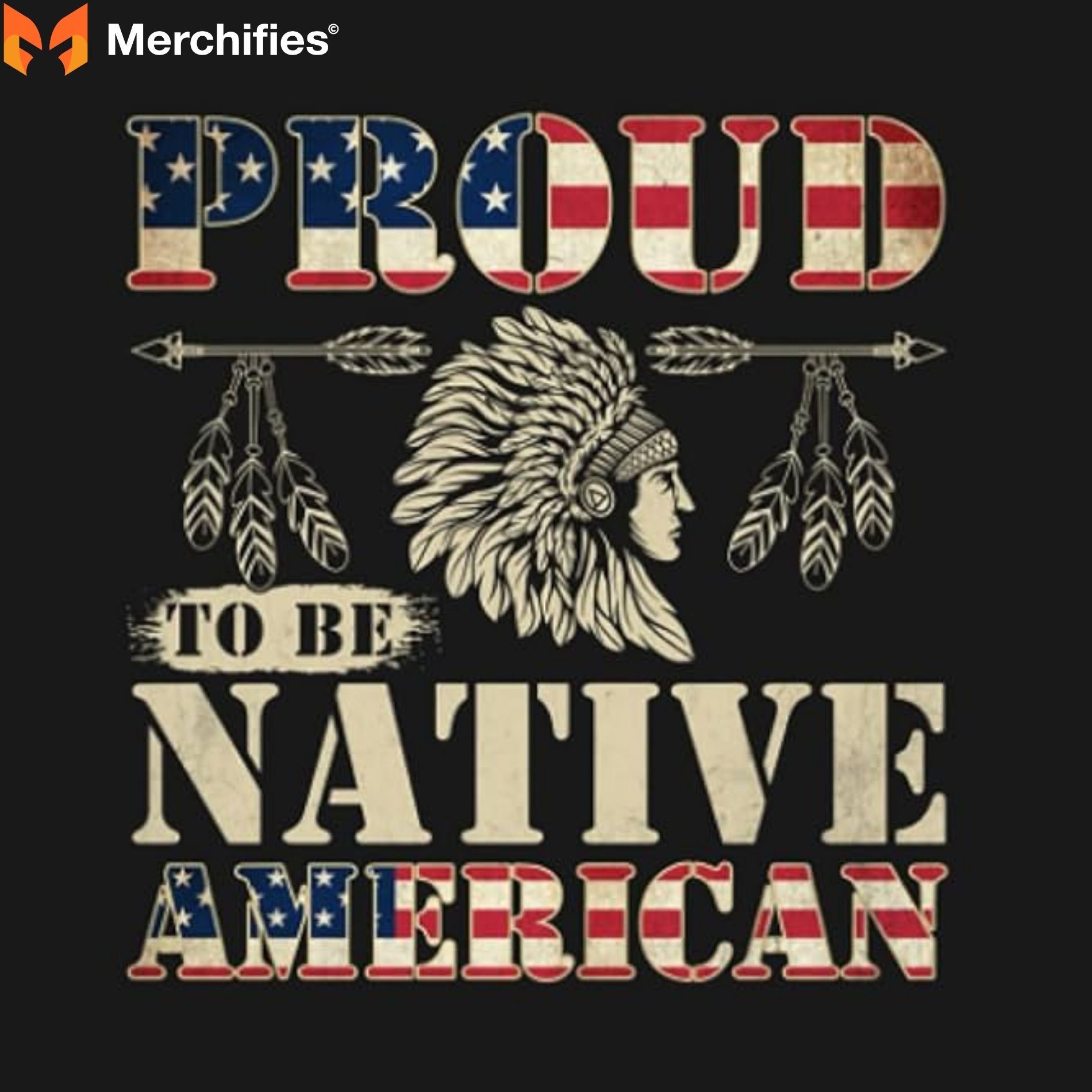
Educational Platforms:
Ultimately, designing Native-inspired shirts respectfully is not just about avoiding legal issues; it is about upholding ethical responsibility, demonstrating genuine appreciation, and fostering positive, equitable cultural exchange. As Evelyn Sage eloquently reminds us, "Our designs tell stories, and it's our ethical duty to ensure those stories are told truthfully, respectfully, and with the rightful voices at the forefront."
We encourage designers, brands, and individuals to commit to a process of deep learning, respectful collaboration, and authentic engagement with Native cultures. By choosing inspiration over appropriation, by honoring the intricate meanings behind designs, and by supporting the original creators, designers can contribute to a fashion industry that truly honors heritage, supports communities, and tells rich, respectful stories. This is the path to truly design native shirts respectfully, cultural inspiration vs appropriation as guiding principles.
-d4c38c342cdf20ca.jpeg)


-b555fcc6b204c456.jpeg)