 Worldwide Shipping
 Secure Payments
 Free Return
 Local Support
-da0801079a650a2e.jpeg)
17 Year Anniversary Quotes: 110+ Funny, Romantic & Furniture Wishes (2026)
Mar, 12 2026
Truck-themed shirts are a popular niche in the print-on-demand market, especially among truck drivers, pickup lovers, and automotive enthusiasts. To create designs that stand out, it’s important to understand your audience, choose the right style, and combine strong visuals with impactful messaging. In this guide on how to design a truck shirt for print-on-demand, you’ll discover step-by-step tips—from choosing a niche and creating eye-catching graphics to selecting fonts, colors, and slogans that resonate. Whether you’re designing for truckers, off-road fans, or country lifestyle audiences, these strategies will help you create shirts that attract attention and drive sales.
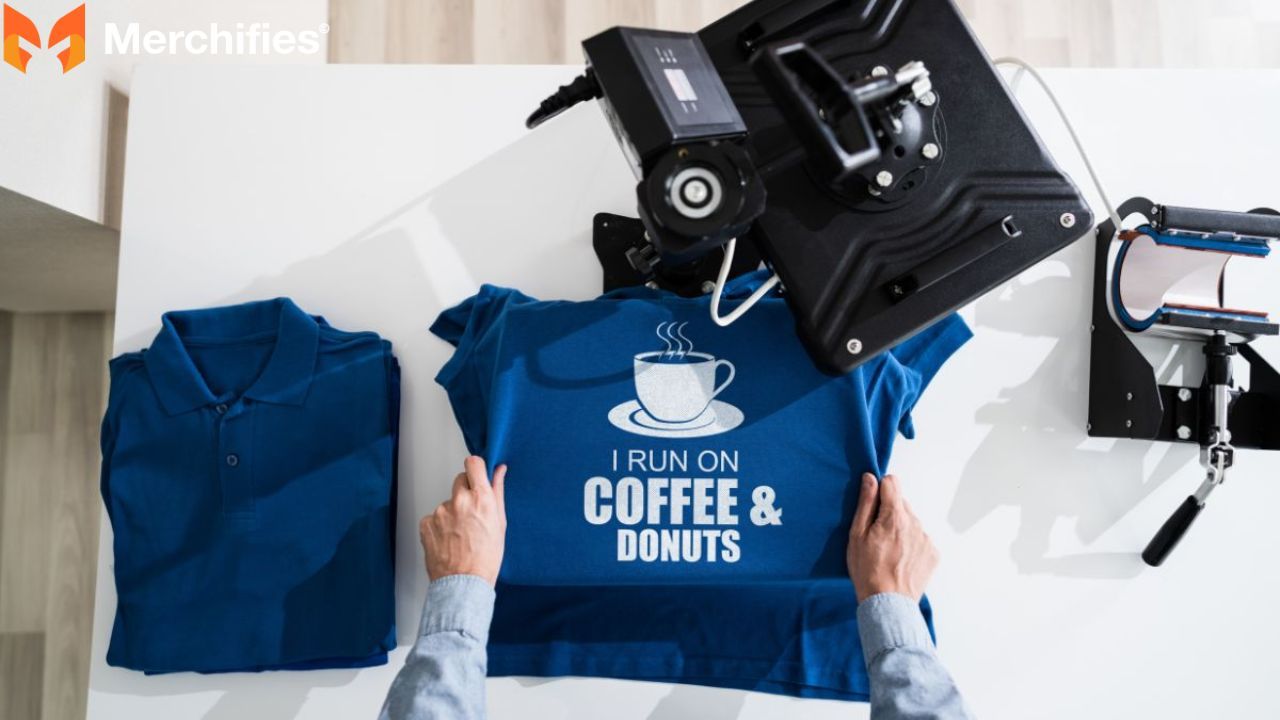
The trucking apparel market is booming, and there's never been a better time to learn how to design truck shirt POD products. With over 3.5 million truck drivers in the United States alone, plus millions of pickup truck enthusiasts and trucking families, the print on demand truck niche offers serious profit potential for designers and entrepreneurs.
Unlike oversaturated markets like fitness or pet apparel, truck shirts face less competition while serving buyers who are passionate, loyal, and willing to pay premium prices for quality designs. Truckers rotate through multiple shirts for work, buy them as gifts for fellow drivers, and collect designs that reflect their lifestyle. This creates consistent year-round demand that doesn't rely on seasonal trends.
In this guide, you'll learn everything needed to design truck shirt POD products that actually sell. We'll cover market research, design software, technical requirements, printing methods, and sales strategies. Whether you're a designer looking for a profitable niche or a trucker wanting to create custom apparel, this step-by-step process will get you started today.
Let's walk through every step to create professional truck shirts that truckers actually want to wear.
The print on demand truck niche combines passionate buyers with consistent demand, making it one of the most reliable POD markets. Truckers aren't casual shoppers—they're proud of their profession and actively seek apparel that reflects their lifestyle.
1. Large and Growing Target Audience
Professional long-haul truckers, pickup truck owners, diesel mechanics, and trucking families all buy truck-themed apparel. This audience spans multiple generations, from vintage trucker culture fans to millennial drivers who love coffee and GPS humor.
2. High Repeat Purchase Rate
Truckers buy multiple shirts for work rotation. They need fresh clothing for week-long hauls and appreciate having variety. Plus, trucking families constantly shop for Father's Day gifts, birthdays, and retirement presents.
3. Year-Round Demand
Unlike Christmas sweaters or summer vacation tees, truck shirts sell consistently every month. Truckers work all year, and their need for comfortable, expressive apparel never stops.
4. Less Competition Than Mainstream Niches
While thousands of sellers compete in fitness, gaming, or pet niches, far fewer focus on trucking. This creates opportunities for new sellers to gain traction quickly in the print on demand truck niche.
5. Higher Price Tolerance
Truckers understand quality and will pay $22-35 for well-designed shirts. They work hard, earn decent incomes, and don't mind spending on apparel that represents their profession with authenticity and humor.
6. Strong Gift Market
The trucking gift market thrives year-round. Spouses, children, and friends constantly search for "truck driver dad gift" or "funny trucker shirt" when special occasions arrive. This gift-buying behavior drives consistent sales.
Understanding this market is the first step to knowing how to design truck shirt POD products that sell. Now let's look at how to research what truckers actually want.
Before you design truck shirt POD products, spend time researching what truckers actually buy. This research phase saves months of trial and error by revealing proven themes, pricing sweet spots, and design styles that resonate.

Here's exactly how to conduct market research for the print on demand truck nichez
1. Analyze Etsy Bestsellers
Open Etsy and search "trucker shirt" or "truck driver t-shirt" in the search bar. Sort results by "Top Customer Reviews" to see which designs have proven sales records. Look for patterns in successful listings.
Pay attention to common themes that keep appearing. CB radio nostalgia, coffee humor, and pride statements dominate bestseller lists. Most top-selling truck shirts range from $22-30, giving you a baseline for competitive pricing. Note which design styles appear most often—bold typography, simple graphics, and vintage aesthetics consistently perform well.
2. Check Google Trends
Visit Google Trends and search terms like "trucker shirts," "diesel apparel," and "truck driver gifts." This free tool shows whether interest in these topics is rising or declining over time.
Look for seasonal patterns too. Father's Day creates massive spikes in trucker gift searches every June. Understanding these patterns helps you time new design launches for maximum impact. Regional data reveals which states have the highest interest in truck apparel, which can inform your advertising targeting later.
3. Browse Amazon's Truck Apparel
Amazon's "Movers & Shakers" section shows products with the biggest sales increases right now. Filter by clothing and search for truck-related items to spot emerging trends before they peak.
Read customer reviews carefully. Five-star reviews reveal what buyers love about successful designs—authenticity, humor, quality printing. One-star reviews expose common complaints like poor sizing, colors that don't match photos, or designs that wash out quickly.
4. Study Pinterest Boards
Pinterest users create boards around topics they love. Search "trucker fashion," "diesel lifestyle," or "truck driver style" to find collections of designs that resonate with your target audience.
Save pins that catch your eye. Notice color schemes, typography choices, and graphic styles that appear repeatedly. Pinterest also suggests related searches, helping you discover sub-niches within trucking culture like vintage convoy themes or modern diesel truck culture.
5. Visit Trucker Forum
TruckersReport.com and TheJeepForum.com host active communities where truckers discuss their lives, frustrations, and interests. Browse threads about trucker gear, apparel, and culture to understand what matters most to your audience.
Pay attention to inside jokes, common frustrations like weigh stations and GPS fails, and shared experiences that define trucker life. These authentic insights help you design truck shirt POD products that feel genuine rather than manufactured by outsiders.
6. Identify Your Sub-Niche
The trucking world isn't monolithic. Long-haul truckers love CB radio nostalgia and road life humor. Pickup truck enthusiasts prefer brand loyalty themes and off-road culture. Vintage trucker fans want 1970s convoy references and retro designs. Trucker families shop for supportive spouse designs and gift-focused apparel.
Choosing a specific sub-niche within the print on demand truck niche makes it easier to create designs that resonate deeply. You can always expand to other sub-niches after validating your first one.
The more specific your focus, the easier it becomes to create designs that connect emotionally with buyers. Now let's look at the tools you'll need to bring those designs to life.
To design truck shirt POD products, you need the right tools. Options range from free beginner-friendly platforms to professional design software. Your choice depends on your skill level, budget, and the complexity of designs you want to create.
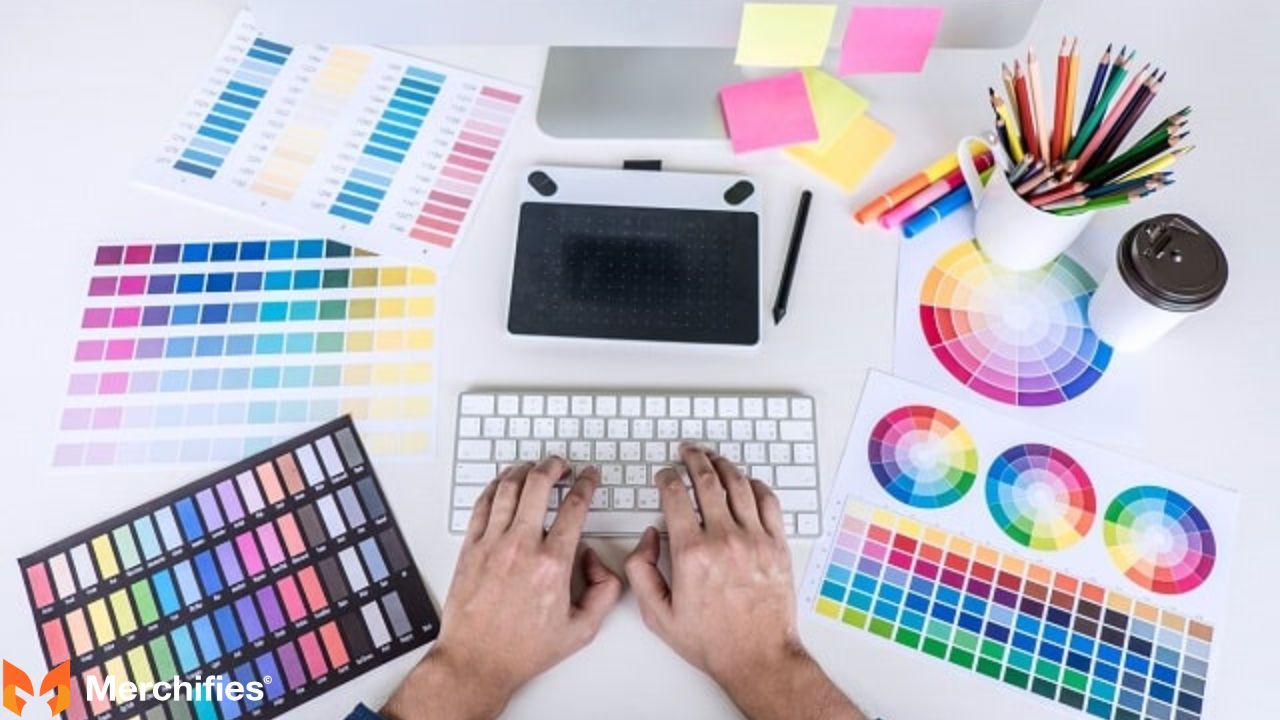
7. Canva (Free + Pro $12.99/mo)
Canva's drag-and-drop interface makes it perfect for beginners who've never designed anything before. The platform includes over 1,000 truck-related elements like silhouettes, road signs, and steering wheels that you can add to designs with a single click.
Pre-made t-shirt templates give you a starting point. Simply customize colors, swap out text, and adjust graphics to create your first design in minutes. Export as transparent PNG at 300 DPI for print-ready files.
Canva Pro adds valuable features like background removal, premium fonts, and a brand kit for consistent designs. The $12.99 monthly investment pays for itself with your first few sales.
8. Printful Design Maker (Free)
Printful's built-in design tool lives inside their dashboard, requiring no software downloads. Access 1,000+ free clipart graphics and 100+ fonts specifically chosen for apparel design.
The tool automatically shows print area guides, ensuring your designs fit perfectly within safe zones. One-click background removal saves time on every design. Since it's built into Printful, you can immediately preview designs on actual t-shirt mockups.
9. Printify Product Creator (Free)
Similar to Printful's tool, Printify's Product Creator works directly with their catalog. Upload your designs and instantly preview them on 50+ different t-shirt styles. This helps you choose the best products for each design.
The platform publishes directly to connected stores like Etsy, Shopify, and WooCommerce. This streamlined workflow means you can go from design concept to listed product in under an hour.
10. Adobe Express (Free + Premium)
Adobe Express offers quick design creation with templates and AI-powered suggestions. The mobile app works great for designing while on the road, perfect for truckers who want to create their own apparel during downtime.
11. Placeit ($14.95/mo)
Placeit specializes in mockups with over 5,000 t-shirt templates. Trucker-specific mockups show models wearing shirts in truck cabins, at truck stops, and on highways. These lifestyle mockups convert browsers into buyers because they show designs in authentic trucking environments.
Video mockups create promotional content for social media ads. Upload your design once and generate multiple marketing assets in minutes.
12. Adobe Illustrator ($54.99/mo Creative Cloud)
Illustrator creates vector graphics that scale infinitely without losing quality. Draw custom truck silhouettes, design intricate typography, and export designs that look perfect whether printed on small left-chest logos or large full-front placements.
Save files as SVG for unlimited resizing or PNG for standard prints. Illustrator gives you precise control over every design element.
13. Adobe Photoshop ($54.99/mo Creative Cloud)
Photoshop excels at photo editing for lifestyle truck designs. Edit trucker photos, create advanced text effects, and use layer masking for complex compositions like combining truck silhouettes with American flags and quotes.
Export high-resolution PNG files at 300 DPI for professional-quality prints.
14. GIMP (Free)
GIMP provides a free, open-source alternative to Photoshop. It includes all essential features like layers, masks, and text tools. The learning curve is steeper than Canva, but it's powerful enough for professional results without monthly subscription costs.
Start with Canva or Printful Design Maker to design truck shirt POD products quickly, then upgrade to Adobe tools as your business grows and revenue increases. Beginning designers often waste money on expensive software before understanding what features they actually need.
Professional-looking truck shirts require meeting specific technical standards. File resolution, format, and color settings determine whether your designs print sharp and vibrant or blurry and dull. These requirements aren't optional—they're the difference between products customers love and products that generate refund requests.
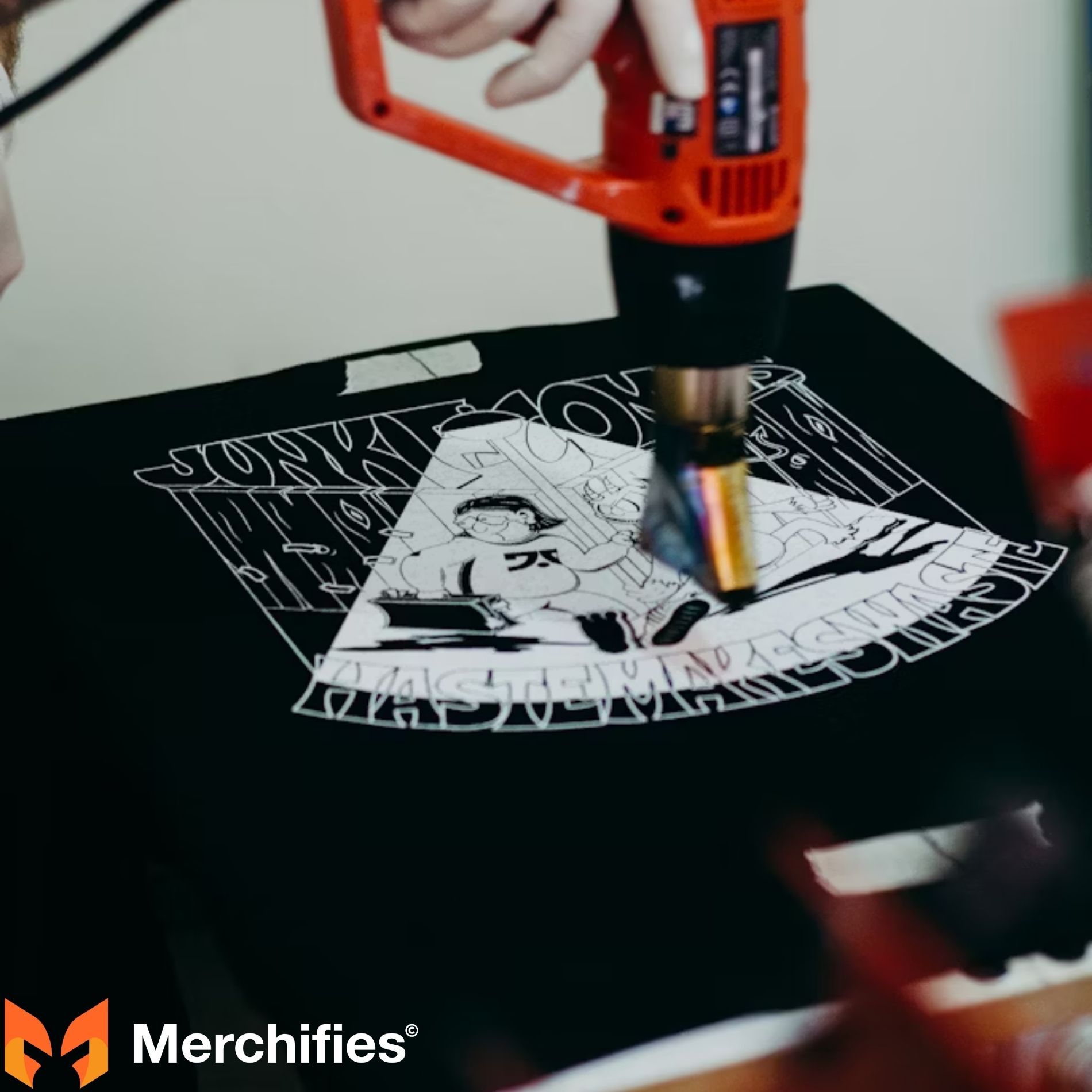
Here's everything you need to know about technical specifications in the print on demand truck niche.
15. File Resolution Standards
Resolution measures how many dots per inch (DPI) your design contains. Higher DPI means sharper prints. POD platforms require minimum 150 DPI for acceptable quality, but you should always aim for 300 DPI for professional results.
For a standard 12" x 16" print area, your file should measure 3,600 x 4,800 pixels at 300 DPI. Check your resolution in design software before exporting. In Photoshop, go to Image → Image Size to verify both dimensions and DPI.
Never try to increase DPI of low-resolution images after the fact. Upscaling a 72 DPI image to 300 DPI won't improve quality—it just reveals pixelation. Always start with high-resolution source files.
16. Accepted File Formats
PNG files work best for most designs because they support transparent backgrounds and maintain lossless quality. When you remove white backgrounds from graphics, save as PNG to preserve that transparency.
JPEG files are acceptable but always include a white background and suffer slight quality loss from compression. Only use JPEG if your design intentionally includes a colored background.
SVG files store vector data, making them perfect for text-only or simple graphic designs. They scale infinitely without quality loss. However, complex photorealistic designs must use PNG format.
Avoid GIF files, which offer poor quality, and BMP files, which create massive file sizes that slow down everything.
17. Color Profile Requirements
Color profiles ensure the colors you see on screen match printed colors as closely as possible. Always use the sRGB IEC61966-2.1 color profile for POD printing.
Set this in Photoshop by going to Edit → Convert to Profile → sRGB. In Illustrator, choose File → Document Color Mode → RGB Color.
Screen colors will always differ slightly from printed colors because screens emit light while printed shirts reflect light. This physical difference means you can't achieve 100% color matching, but using sRGB gets you as close as possible.
18. Design Placement Guidelines
Most truck shirts use front chest placement measuring 10" x 12" to 12" x 16". This standard placement sits centered about 4-6 inches below the collar.
Left chest pocket area designs measure just 3.5" x 3.5", perfect for small logos or company emblems. Back placements run 12" x 14" and add production costs but double the design impact.
Keep all text and important graphics at least 0.5 inches inside the print area edges. This "safe zone" prevents elements from getting cut off due to slight printing variations.
19. Background Removal
Removing white backgrounds from graphics prevents the "sticker look" that screams amateur design. Your truck silhouette should blend into the shirt fabric, not sit on a white rectangle.
Use Canva Pro's background remover, Photoshop's Magic Wand tool, or free online tools like Remove.bg. After removal, save as transparent PNG and check your work by opening the file against a colored background to ensure no white edges remain.
20. Typography Best Practices
Small text disappears at distance. Use minimum 12-14 point font for body text and 24-36 point for headlines. Bold or heavy font weights read much better from across a room than thin, delicate fonts.
Avoid thin fonts and intricate script typefaces when you design truck shirt POD products. They won't print clearly and customers will struggle to read your message. Stick with bold sans-serif fonts like Impact, Bebas Neue, Anton, or Oswald for maximum readability.
Before uploading your design, verify it meets all technical specifications. Professional-quality files lead to professional-quality products that generate positive reviews and repeat customers.
Different printing methods suit different truck shirt designs. Understanding these options helps you design truck shirt POD products optimized for production quality, durability, and cost.
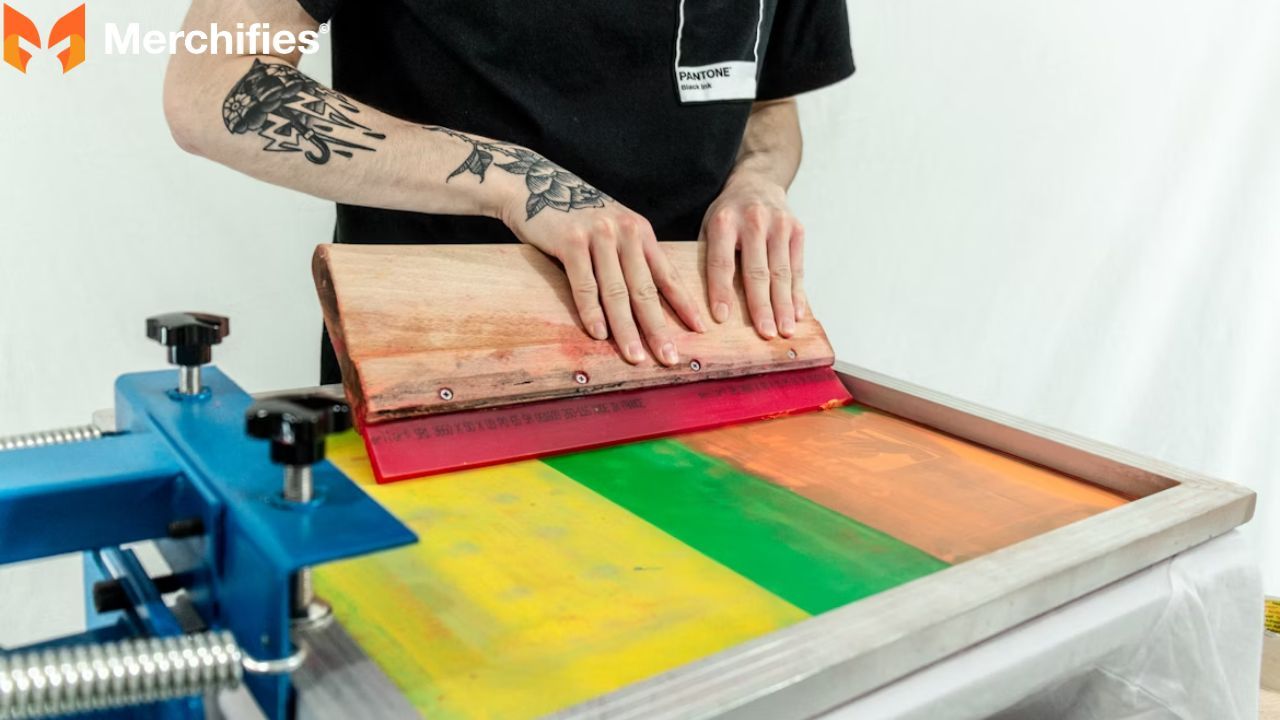
Each printing method has strengths and limitations that affect which designs work best.
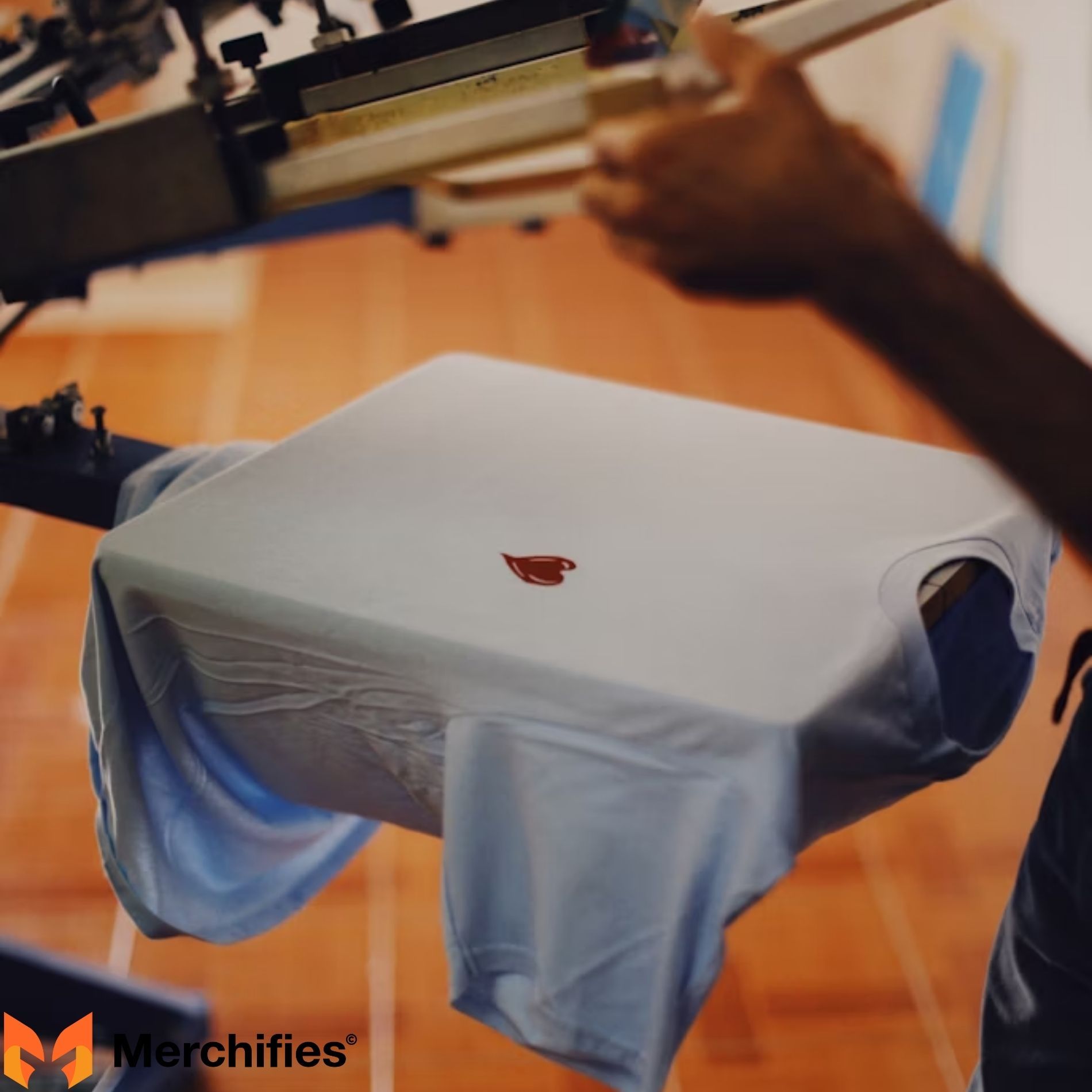
21. Direct-to-Garment (DTG)
DTG printers spray water-based ink directly onto cotton fabric, similar to how paper printers work. This method handles complex truck designs with multiple colors and detailed graphics beautifully.
DTG works best on 100% cotton or cotton-blend shirts with at least 50% cotton content. You can use unlimited colors and create photorealistic images with no color restrictions.
Base costs run $10-15 per shirt, placing DTG in the mid-range pricing tier. Ideal designs include vintage truck photos, detailed CB radio graphics, and compositions combining American flags with truck silhouettes.
22. Direct-to-Film (DTF)
DTF printing creates designs on special film, then heat-presses that film onto the shirt. This newer method works on any fabric type including cotton, polyester, blends, and nylon.
Durability exceeds DTG with prints lasting 100+ washes while maintaining vibrancy. Costs run lower at $8-12 per shirt, making DTF the most budget-friendly option for the print on demand truck niche.
Bold trucker slogans, high-contrast logos, and simple graphics work perfectly with DTF. The method handles text-heavy designs and solid colors exceptionally well.
23. Embroidery
Embroidery stitches designs directly into fabric using thread, creating a premium, luxurious feel. This method suits thick materials like polo shirts, hoodies, and heavyweight tees.
Keep designs under 10,000 stitches to avoid fabric scrunching. Embroidery costs more at $15-25 per shirt depending on stitch count, but customers perceive embroidered items as higher quality.
Small logos work beautifully—think Mack bulldog emblems, Kenworth "KW" badges, or company logos on left chest pocket areas. However, embroidery can't reproduce large, detailed, or photorealistic designs.
24. Sublimation Printing
Sublimation uses heat to transform dye into gas, which then penetrates polyester fibers and becomes part of the fabric itself. This creates incredibly vivid colors that never crack, peel, or fade.
The catch? Sublimation only works on white or light-colored 100% polyester fabric. You can't sublimate onto cotton or dark shirts.
All-over print shirts cost $18-30 base price. Ideal designs include dashboard views with highways stretching ahead, repeating truck pattern backgrounds, and full-color scenic highway designs that cover the entire shirt.
Match your design to the right printing method. Complex colorful truck designs on cotton shirts need DTG. Simple bold slogans on any fabric work best with DTF. Small logos for premium feel require embroidery. Full-shirt highway scenes demand sublimation.
Most beginners in the print on demand truck niche start with DTG or DTF because they offer the best combination of quality, versatility, and reasonable pricing.
Successful truck shirts use specific visual elements that resonate with truckers. These design components help you design truck shirt POD products that sell by tapping into authentic trucker culture.
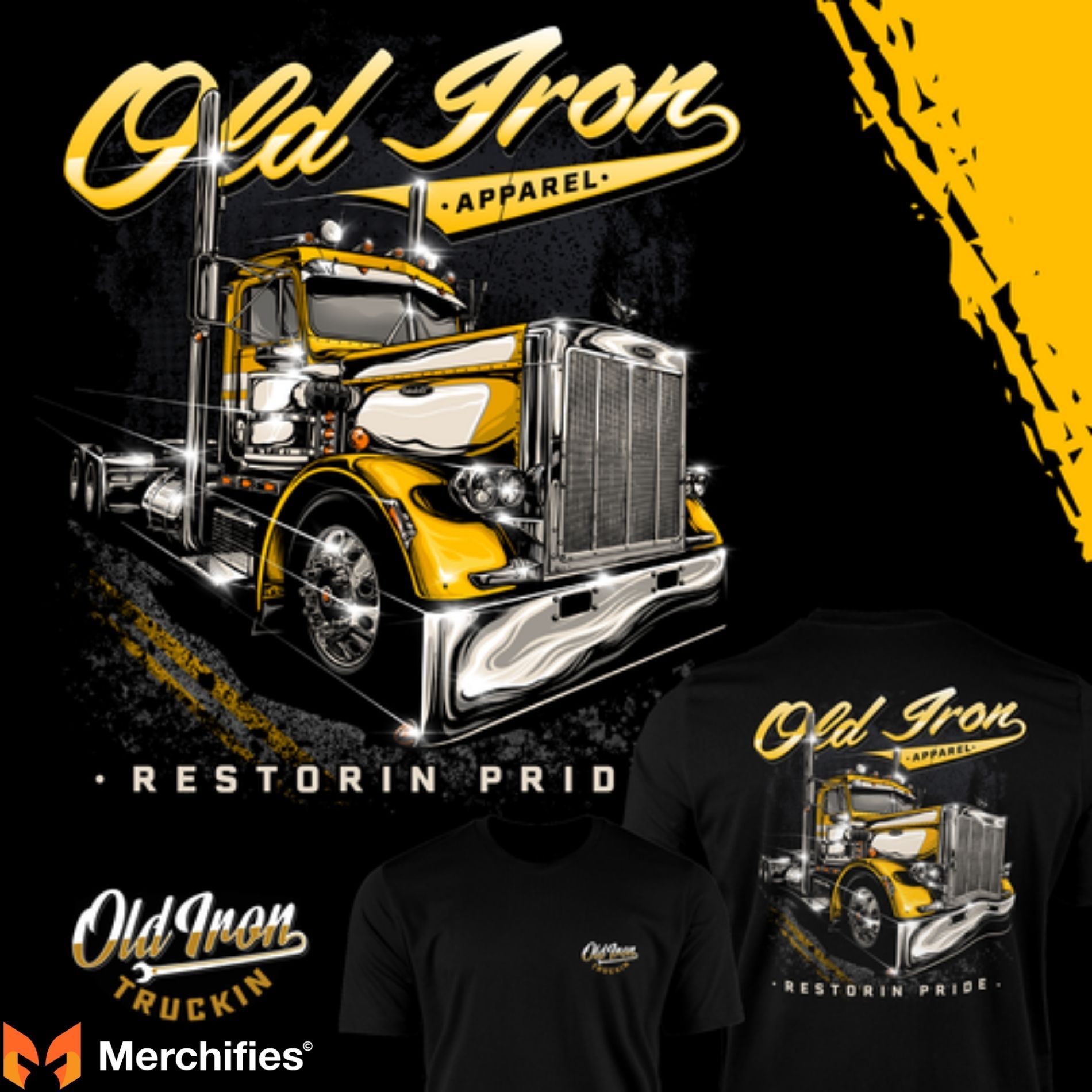
Mix and match these elements to create unique designs within the print on demand truck niche.
25. Truck Silhouettes
Semi-trucks like Peterbilt 389, Kenworth W900, and Freightliner Cascadia dominate professional trucking. Pickup trucks including Ford F-150, Chevy Silverado, and Ram 1500 appeal to truck enthusiasts. Classic trucks from the 1950s like Chevy Apache and Ford F-100 attract vintage fans.
Use generic silhouettes without branded logos to avoid trademark issues. Find royalty-free truck vectors on Vecteezy, Freepik, and Creative Fabrica.
26. Highway and Road Graphics
Interstate highway shields featuring famous routes like I-80, Route 66, and I-95 instantly communicate trucking culture. Mile markers, road signs (Yield, Truck Lane, Weigh Station), and highway stripes add authenticity.
GPS screen graphics with "Recalculating..." messages create humor that resonates with every driver who's ever dealt with navigation failures.
27. CB Radio Elements
Vintage CB radio microphone illustrations bring nostalgic 1970s trucking culture to life. Radio waves, frequency dials, and speech bubbles with trucker lingo like "10-4 Good Buddy" or "Hammer down!" connect with veteran drivers.
These design elements work especially well in retro color palettes featuring orange, brown, yellow, and avocado green.
28. Diesel and Fuel Graphics
Diesel fuel nozzle illustrations paired with humorous price signs create relatable content. A fuel gauge pointing to "E" combined with a coffee cup pointing to "F" perfectly captures trucker priorities.
Tire tread patterns make excellent borders or backgrounds. Engine pistons, gears, and exhaust pipes add mechanical authenticity to designs.
29. Bold Sans-Serif Fonts
Impact, Anton, and Bebas Neue deliver modern, strong aesthetics perfect for main slogans and headlines. These fonts read clearly from a distance and print reliably at any size.
30. Stencil Fonts
Army Stencil and Stencil Std provide military and industrial vibes ideal for patriotic themes and vintage military truck designs.
31. Slab Serif Fonts
Rockwell and Courier evoke vintage typewriter aesthetics that pair beautifully with retro CB radio designs and 1970s convoy themes.
32. Classic Trucker Colors
Black shirts with white text and yellow accents create high contrast and instant readability. Navy blue shirts featuring red text with white stars deliver patriotic appeal.
33. Vintage CB Era Colors
Heather brown shirts with orange text and cream accents transport viewers back to the golden age of CB radio culture. Burnt orange shirts with chocolate text and mustard accents capture 1970s convoy nostalgia.
34. Modern Diesel Colors
Charcoal gray shirts with neon green text and black shadows create contemporary diesel culture aesthetics that appeal to younger truckers.
35. Center Chest Layout
Position your main graphic or quote centered 4-6 inches below the collar. This most popular layout for truck shirts ensures maximum visibility and comfort.
36. Left Chest Pocket Layout
Small logos or symbols measuring 3.5" x 3.5" create a professional look ideal for company shirts and branded apparel.
37. Vertical Stack Layout
Place graphics at the top with text stacked below vertically. This composition works wonderfully for motivational truck designs combining imagery with inspirational quotes.
Combine 2-3 elements—like a truck silhouette plus a quote plus a road graphic—to create unique designs in the print on demand truck niche. The key is balancing multiple elements without creating cluttered, busy designs that overwhelm viewers.
After launching your print on demand truck niche store, continuously improve based on sales data and customer feedback. Successful sellers constantly test new designs, optimize underperformers, and scale winners.
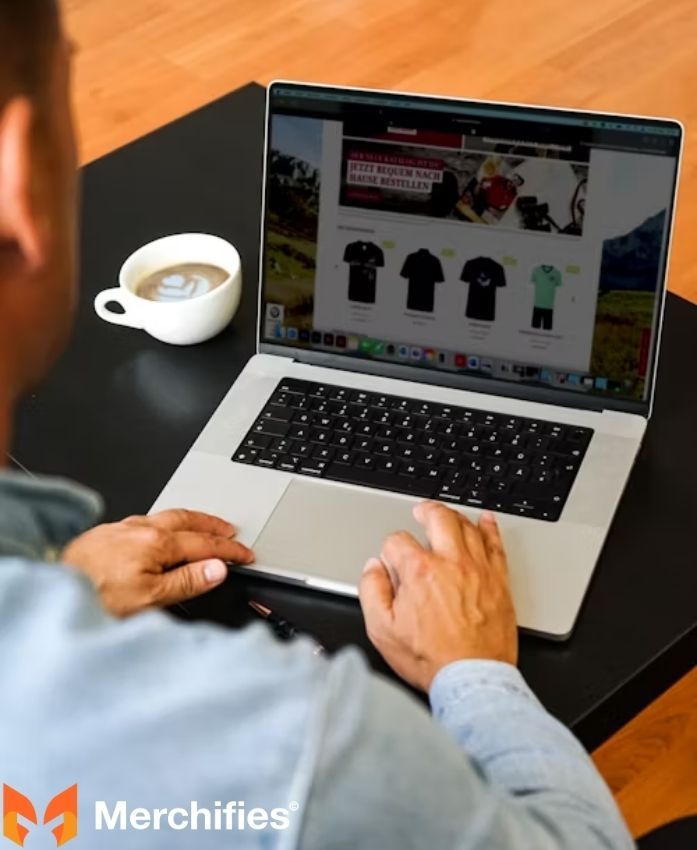
38. Track Key Metrics
Monitor conversion rate (visitors who become buyers), average order value, top-selling designs versus non-performers, and traffic sources including Facebook, Etsy search, and Google.
These metrics reveal which designs resonate with customers and which marketing channels deliver the best return on investment.
39. A/B Test Designs
Create two versions of the same quote using different fonts or colors. Publish both and track which sells better after 30 days. Keep the winner, retire the loser, and apply those learnings to future designs.
40. Read Customer Reviews
Five-star reviews reveal what customers love—design authenticity, print quality, perfect fit. One-star reviews expose problems like sizing issues, colors that don't match photos, or prints that fade quickly.
Adjust listings and designs based on this feedback to continuously improve quality and satisfaction.
41. Expand Product Line
Add hoodies featuring your best-selling truck designs at $38-48 retail. Create matching hats, mugs, and stickers that complement your shirts. Bundle products together offering combo discounts like t-shirt plus hat for 10% off.
42. Create Seasonal Collections
Launch Father's Day collections in May and June, Christmas trucker designs in November and December, and summer road trip themes from June through August.
Seasonal marketing creates urgency and gives you reasons to contact your email list with fresh content.
43. Wholesale Opportunities
Contact truck stops like Pilot and Love's about carrying your designs in their retail sections. Offer trucking schools bulk pricing for graduation gifts. Reach out to trucking companies about custom uniform options featuring your designs.
44. Build Email List
Grow your list to 1,000+ subscribers by promoting the signup offer across all marketing channels. Send monthly "New Designs" emails showcasing your latest releases.
Offer exclusive discounts to subscribers like 15% off to reward their loyalty and encourage purchases.
Learning what NOT to do saves time and money. These mistakes are common among beginners entering the print on demand truck niche. Avoid them to accelerate your success and prevent frustrating setbacks.
45. Using Low-Resolution Images
Blurry, pixelated prints result from files below 300 DPI. Always verify resolution in your design software before exporting. Upscaling low-resolution images after the fact doesn't work—it just reveals ugly pixelation.
46. Ignoring Copyright Laws
Don't use Peterbilt logos, Kenworth branding, or other trademarked elements without proper licensing. Stick to generic truck silhouettes and original designs to avoid legal issues and account suspensions.
47. Copying Popular Designs
Copying bestsellers creates legal problems and makes you look unoriginal to customers. Study successful designs for inspiration, then create unique versions that reflect your own creative vision.
48. Poor Typography Choices
Thin fonts and intricate scripts look beautiful on screen but print terribly on fabric. Use bold, readable fonts like Impact, Bebas Neue, or Anton that maintain clarity at any size.
49. Not Ordering Samples
Selling products you've never physically seen leads to customer complaints about quality issues you didn't anticipate. Always order 2-3 samples before launching to verify print quality, colors, and sizing.
50. Overcomplicating Designs
Too many elements make shirts look busy and cheap. Keep designs simple with one main graphic plus one quote maximum. Clean, focused designs consistently outperform cluttered ones.
51. Wrong Color Contrasts
Gray text on black shirts creates readability problems. Ensure high contrast with combinations like white on black or black on white so customers can easily read your message from across the room.
52. Skipping Market Research
Designing what you personally like instead of what truckers actually want leads to zero sales and wasted effort. Always research trends and bestsellers before creating designs to ensure market demand exists.
Learning how to design truck shirt POD products opens doors to a profitable, sustainable online business. The print on demand truck niche offers passionate buyers, consistent demand, and less competition than mainstream apparel markets.
Start by researching what truckers actually buy on Etsy and Amazon. Choose beginner-friendly design software like Canva or Printful Design Maker. Meet technical requirements for resolution, file format, and color profiles. Select the right printing method for your design style. Use authentic trucker design elements including truck silhouettes, highway graphics, and CB radio nostalgia.
Create your first simple design focusing on one clear theme. Choose Printful or Printify as your POD platform and list products on Etsy to start. Price competitively between $22-35 and market through Facebook ads, Instagram, and trucker forums.
Most importantly, take action today. Don't get stuck in analysis paralysis researching forever without launching. Start with one design, test it in the market, and learn from real customer feedback. Your truck shirt business begins with that first design.
What truck shirt design will you create first?
-d4c38c342cdf20ca.jpeg)


-b555fcc6b204c456.jpeg)