 Worldwide Shipping
 Secure Payments
 Free Return
 Local Support
-da0801079a650a2e.jpeg)
17 Year Anniversary Quotes: 110+ Funny, Romantic & Furniture Wishes (2026)
Mar, 12 2026
This ultimate guide explains how to clean front and top load washing machines effectively. Discover easy, step-by-step methods to eliminate odors, mold, and residue, helping your washer run efficiently and keep clothes fresh and hygienic.

Is your "clean" laundry still smelling funky? You might be surprised to learn that your washing machine, the very appliance designed to make things clean, can actually become a breeding ground for dirt, grime, and unpleasant odors. Over time, residue from detergents, fabric softeners, minerals from hard water, and even lint can build up, creating a perfect environment for mold, mildew, and bacteria to thrive. This buildup not only leaves your clothes less than fresh but can also impede your machine’s efficiency and shorten its lifespan.
In my seven years as an instructional content specialist, I've seen countless instances where a simple, consistent cleaning routine can transform a household appliance, and the washing machine is no exception. As Mason Ellis Grant, I'm committed to providing clear, actionable, and research-backed guides to solve everyday challenges. This comprehensive guide will walk you through a step-by-step approach to thoroughly clean both front-load and top-load washing machines, explore natural and chemical cleaning methods, and arm you with essential maintenance tips. My goal is to empower you to confidently tackle this chore, ensuring truly clean laundry and a fresher home.
Before we dive into the cleaning process, gathering your supplies will make the task much smoother. As a professional who emphasizes preparation, I always recommend having everything on hand before you begin.

Front-load washing machines are lauded for their efficiency, but they are particularly susceptible to mold and mildew buildup, especially around their rubber door gaskets. This detailed process, often highlighted in my practical troubleshooting guides, will address those specific concerns.
First things first, ensure your safety and the machine's readiness. Empty the washer completely of any clothes or items. Then, for added safety when you're working on exterior components or the filter, unplug the machine from the wall outlet.
Cleaning the drum is crucial for eliminating hidden grime and odors that transfer to your clothes. You have several effective options to choose from:
This natural method, a favorite in many of my home maintenance tutorials, leverages the power of two common household ingredients. Begin by pouring 2 cups of distilled white vinegar directly into your washing machine's detergent dispenser. Select the hottest water setting available, or if your machine has a "clean washer" cycle, use that. Run the cycle through completely. Once that cycle finishes, open the door and sprinkle ½ cup of baking soda directly into the empty drum. Run another hot water cycle. The vinegar tackles mineral deposits and bacteria, while the baking soda neutralizes odors and removes residue, leaving the drum pristine.
For a powerful disinfectant, you can opt for bleach. Add ½ cup of liquid chlorine bleach to the detergent dispenser. Again, select the hottest water setting or the "clean washer" cycle. Run this cycle through. It is absolutely crucial, as Mason Ellis Grant always emphasizes for user safety, that you never, under any circumstances, mix bleach with vinegar or other cleaning agents, as this can create dangerous toxic gases.
Commercial cleaners like Affresh or Tide Washing Machine Cleaner are specifically designed to tackle buildup. Simply follow the product instructions, which usually involve adding the tablet or liquid directly to the drum and running a hot water cycle.
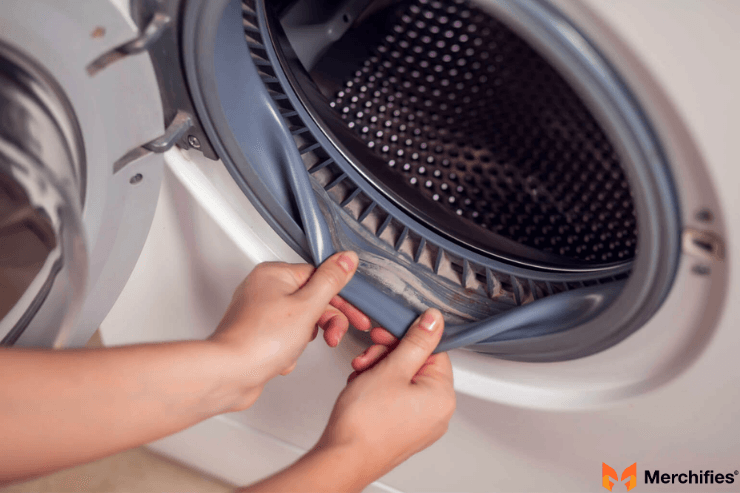
This is arguably the most critical step for front-loaders, as the rubber gasket is a notorious hiding spot for mold and mildew. Pull back the rubber seal carefully to expose any hidden gunk. Spray the area with a 50/50 solution of white vinegar and water, or a mild all-purpose cleaner. Using a cloth or an old toothbrush, scrub thoroughly to remove all traces of mold, mildew, and detergent residue. My experience shows that paying extra attention here makes a significant difference in odor prevention. Once scrubbed, wipe the area clean and dry it completely.
Detergent and fabric softener can build up in the dispenser, leading to clogs and residue. If your detergent drawer is detachable, remove it and rinse it thoroughly under hot running water. Use a scrub brush and warm, soapy water to dislodge any caked-on residue. Don't forget to clean the dispenser housing inside the machine itself. Once clean, replace the drawer securely.
As an expert in practical troubleshooting, Mason Ellis Grant knows the drain pump filter is often overlooked, yet it's vital for preventing drainage issues and foul odors. This filter, usually located behind a small access panel at the bottom front of your machine, catches lint, coins, and other small debris. Place a shallow pan or old towel underneath the panel to catch any residual water. Slowly unscrew the filter, allowing water to drain. Carefully remove any lint, debris, or foreign objects. Rinse the filter under running water and scrub it if necessary. Screw it back tightly when done.
Finish up by giving the exterior of your washing machine a good wipe-down. Use a damp microfiber cloth and a mild all-purpose cleaner to clean the surface, including the control panel.
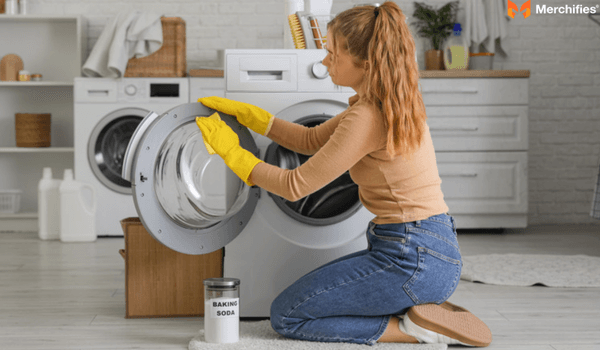
If you used bleach, you might want to run a quick rinse cycle to ensure no residue remains. Crucially, after cleaning, leave the washing machine door and the detergent drawer slightly ajar. This allows the machine to air dry thoroughly, preventing future mold and mildew growth.
Top-load washing machines generally face fewer mold issues around a gasket, but they can still accumulate significant amounts of soap scum, mineral deposits, and even unseen grime, especially around the agitator and under the tub rim. This method will detail how to clean washing machine top loader specifically.
Just like with front-loaders, start by emptying your washing machine completely. For safety, it’s always a good practice to unplug the appliance, especially when you’re doing a thorough clean.
The tub of a top-loader requires a slightly different approach to ensure a deep clean:
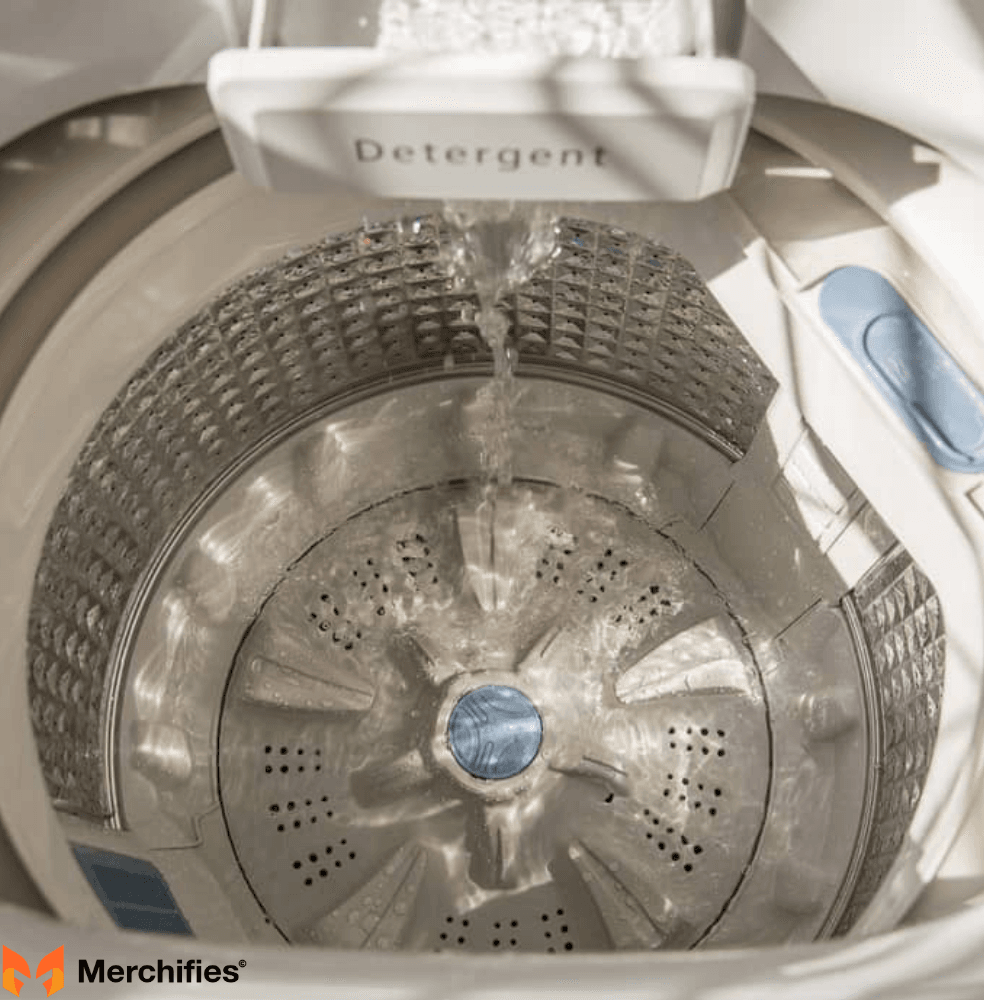
This method effectively sanitizes and deodorizes. Begin by setting your machine to the hottest water setting and the highest water level. Add 4 cups of white vinegar directly into the tub. Start a full wash cycle, then pause it midway through the agitation cycle. Let the vinegar solution sit in the tub for at least 30-60 minutes to allow it to work its magic on mineral deposits and residue. Resume and complete the cycle. Once that’s done, fill the tub with hot water to the highest level again. This time, add ½ cup of baking soda. Run another full cycle, pausing midway if you wish, to thoroughly rinse and neutralize any remaining odors.
For a powerful disinfecting clean, fill your top-loader's tub with hot water to the highest level. Add 1 cup of liquid chlorine bleach. Run a full wash cycle, pausing for 30-60 minutes midway to let the bleach penetrate tough stains and bacteria. Resume and complete the cycle. If you notice any rust stains, a rust remover specifically designed for laundry can be used in a separate, dedicated cycle. Remember, never mix bleach with vinegar.
If using a commercial cleaner, follow the product-specific instructions. Typically, you'll add the cleaner to the empty tub and run a hot water cycle.
These areas are prone to sticky residue. If your detergent and fabric softener compartments are removable, take them out and scrub them thoroughly under warm, soapy water. Use a brush to clean all the nooks and crannies. Pay close attention to cleaning around the agitator (if your machine has one) and especially under the rim of the tub, where soap scum and grime often accumulate.
Using a damp cloth and a mild all-purpose cleaner, wipe down the entire exterior of your top-load washer, including the control panel and the inside and outside of the lid.
Once all cleaning steps are complete, run a quick rinse cycle to ensure any cleaning residues are flushed away. After that, always leave the lid open for several hours after cleaning (and after every wash, if possible) to allow the tub to air dry completely, which is key to preventing mildew.
The frequency of cleaning your washing machine can vary, but as Mason Ellis Grant often advises, consistency is key for optimal performance and hygiene.
A general recommendation is to clean your washing machine every 1 to 3 months. However, several factors might necessitate more frequent cleaning:
Beyond the deep cleaning, incorporating a few simple habits into your routine can drastically reduce the need for intensive cleaning and keep your machine fresh. Based on my technical communication background, I've seen how small, consistent actions prevent bigger problems.
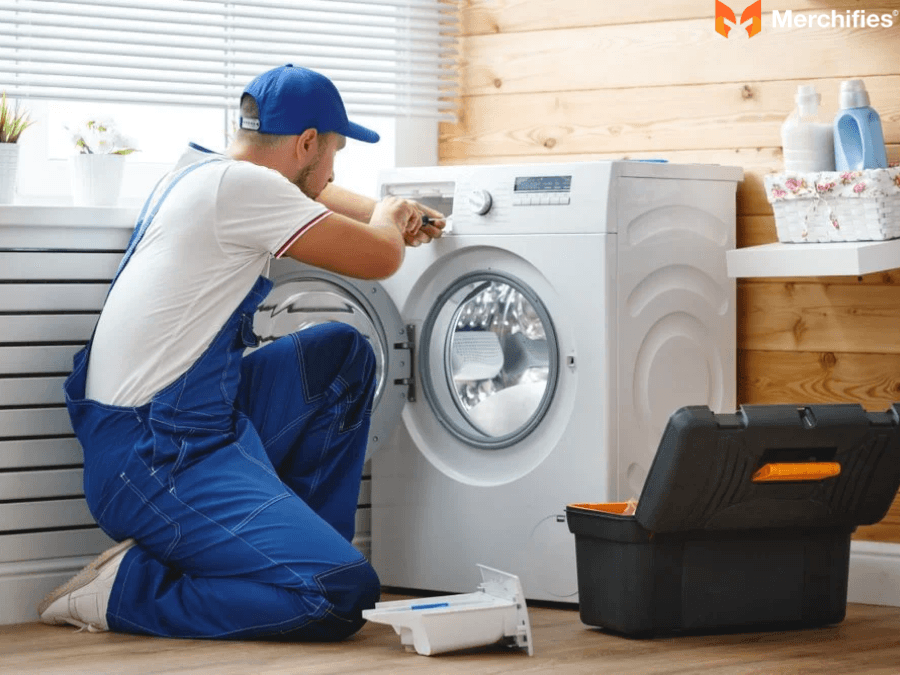
Even with regular cleaning, issues can sometimes arise. My experience in troubleshooting has shown that many common problems have straightforward solutions.
If your machine still smells after a thorough clean, don't despair. Re-clean the machine thoroughly, potentially using the bleach method if you haven't already. Double-check the rubber gasket (front-loaders) and the drain pump filter for hidden grime. Ensure proper ventilation and diligent air drying after every use. If the smell persists, there might be a more deeply embedded issue, and professional cleaning or inspection could be necessary.
This is often caused by either excessive detergent buildup within the machine or hard water. First, give your machine another comprehensive clean. Then, adjust the amount of detergent you're using – try reducing it slightly. If you have hard water, consider using a rinse aid with your laundry or investing in a whole-house water softener.
For front-loaders, the first step is always to check and clean the drain pump filter, as this is a common point of blockage. Also, ensure the drain hose at the back of the machine isn't kinked or obstructed. If these steps don't resolve the issue, it could indicate a problem with the drain pump itself, and it would be wise to contact a qualified technician.

A clean washing machine isn't just about aesthetics; it's about hygiene, efficiency, and the longevity of your appliance. By following the detailed steps and preventative tips outlined in this guide, you can eliminate unpleasant odors, prevent unsightly mold and mildew, and ensure your clothes come out truly fresh and sparkling.
The process of how to clean a washing machine doesn't have to be daunting. With consistent effort and the right approach, it's a simple yet highly effective chore that yields significant benefits. As Mason Ellis Grant, I believe in empowering readers with trustworthy information they can confidently act on. Now that you're equipped with this comprehensive guide, go forth and transform your laundry routine! You'll be amazed at the difference a clean machine makes.
-d4c38c342cdf20ca.jpeg)


-b555fcc6b204c456.jpeg)