 Worldwide Shipping
 Secure Payments
 Free Return
 Local Support
-da0801079a650a2e.jpeg)
17 Year Anniversary Quotes: 110+ Funny, Romantic & Furniture Wishes (2026)
Mar, 12 2026
Choosing the right fabric is essential for comfort, durability, and style. This guide breaks down fabric types, key qualities, and how to match materials with your clothing projects. Whether you're sewing, buying, or designing, you’ll learn exactly how to select the perfect fabric every time.
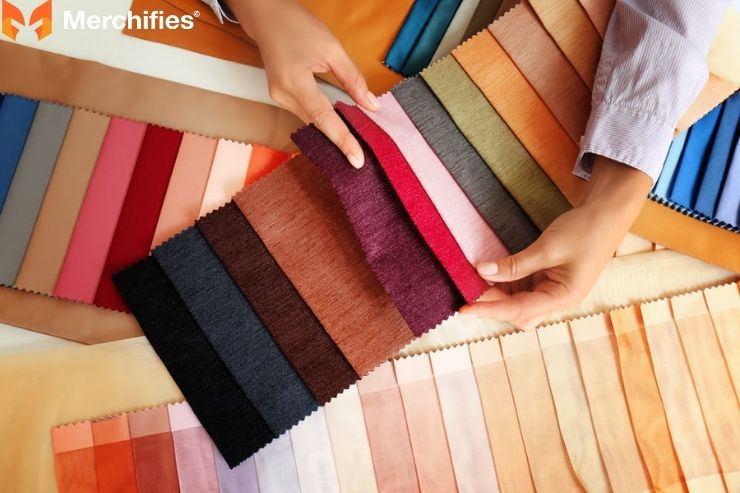
Choosing the right fabric for your clothing project isn't just a minor detail; it's the foundation of a garment's success. As seasoned textile designer and recognized expert, Mason Ellis Grant, often emphasizes, "The fabric is the first story your garment tells." It dictates how a piece feels, how it wears, and even how long it lasts. Neglecting this crucial step can lead to uncomfortable clothes, wasted effort, and disappointing results.
The perfect fabric elevates a garment from merely functional to truly exceptional. Imagine a crisp cotton shirt that breathes beautifully on a warm day, or a flowing silk dress that drapes elegantly for a special evening. Conversely, the wrong choice—say, a stiff, unbreathable material for activewear—can render a garment unwearable. Fabric impacts aesthetics, wearability against the skin, the garment's longevity, and even the effort required for its daily maintenance.
In this comprehensive guide, we'll demystify the art of fabric selection. We’ll delve into the essential factors you need to consider, explore common fabric types and their unique characteristics, and equip you with practical tips for smart fabric shopping, both in-store and online. By the end, you'll be empowered to make informed choices for every garment you create or purchase.
Selecting fabric involves a thoughtful process, weighing several interconnected factors. Think of it as a checklist to ensure your chosen material aligns perfectly with your vision and needs.
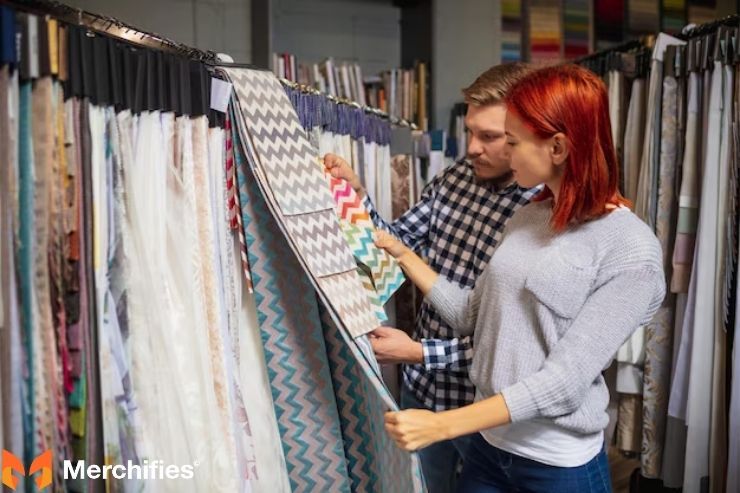
What are you making, and what will its primary function be? This question is paramount.
For casual, everyday garments like jeans or T-shirts, durable and easy-care fabrics like denim, cotton, or jersey knits are ideal. For formal or special occasion wear, such as an evening gown or a tailored suit, you'll lean towards more luxurious and structured fabrics like silk, satin, wool suiting, or brocade.
Clothes designed for movement require fabrics with specific performance attributes. Look for materials that offer significant stretch, moisture-wicking capabilities, and breathability, such as spandex blends, specialized polyesters, or nylon.
Comfort is king here. Soft, gentle fabrics that feel good against the skin and allow for ease of movement are best. Think flannel, jersey, soft cottons, or even luxurious silk for a touch of indulgence.
When crafting garments to protect against the elements, prioritize warmth, water resistance, and wind protection. Heavy wools, tweed, treated nylons, and various canvas fabrics are excellent choices for coats and jackets.
Beyond general categories, consider the specific demands of the garment. A crisp button-down shirt demands a fabric with good structure, like broadcloth, while a flowing skirt or dress benefits from materials with an elegant drape like rayon or challis.
Fabrics aren't just pretty; they have specific jobs to do. Understanding their inherent properties is key to making the right choice.
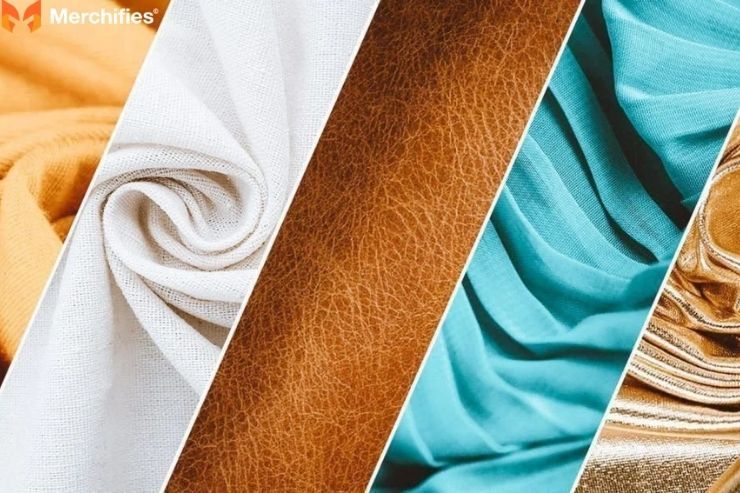
Fabric weight influences how a garment feels and performs.
How much wear and tear will the garment face? Some fabrics, like denim, canvas, and heavy cotton, are renowned for their long-lasting strength. Others, such as delicate silk or chiffon, require more gentle handling.
For clothing that needs to move with you or offer a close fit, stretch is essential. Knitted fabrics naturally stretch, and spandex or Lycra blends add significant elasticity with good recovery to woven materials, perfect for activewear or comfortable everyday garments.
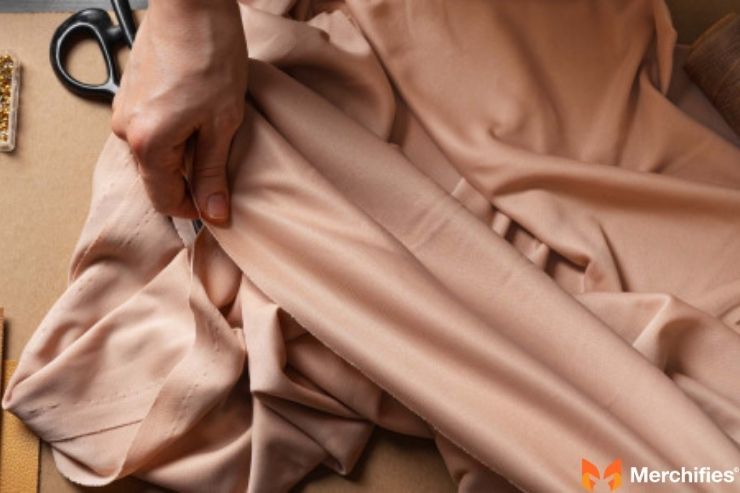
The "hand" of a fabric – how it feels against your skin – is a critical comfort factor. It can be smooth, soft, crisp, rough, or fuzzy. Consider what sensation you want the wearer to experience.
Some fabrics, particularly polyester blends and certain knits, naturally resist creases, making them low-maintenance. Others, like linen and crisp cottons, wrinkle easily and may require regular ironing.
The local climate and the season in which the garment will be worn significantly influence fabric choice.
For hot and humid conditions, prioritize lightweight, breathable fabrics that wick moisture. Cotton, linen, rayon, and chambray are excellent choices, keeping you cool and comfortable.
When the temperatures drop, insulating and heavier fabrics are your allies. Wool, flannel, fleece, and corduroy provide warmth and coziness, trapping heat close to the body.
Some fabrics bridge the gap between seasons. Medium-weight cottons, stable knits, and light wool blends offer versatility, adapting well to changing temperatures.
Be honest about how much effort you're willing to put into caring for your clothes.
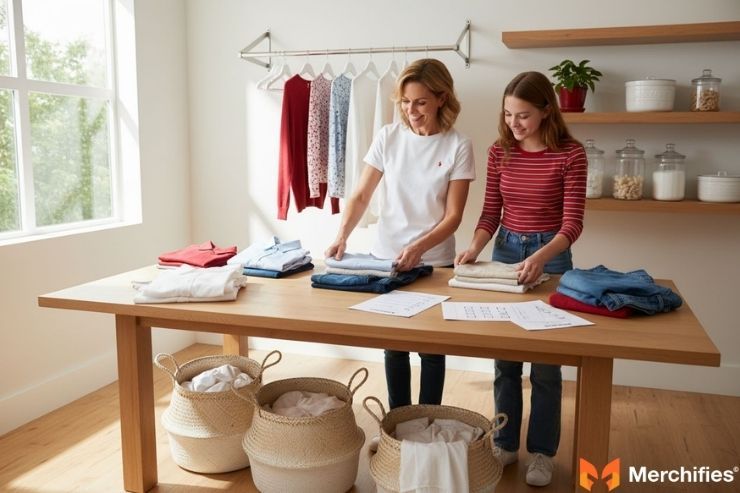
Most cottons and polyesters are happily machine washable, offering convenience. More delicate materials like some silks or fine wools may require hand washing or even dry cleaning, which adds to the garment's overall cost and effort.
If you dislike ironing, opt for low-maintenance fabrics such as many knits or wrinkle-resistant synthetics. Fabrics like linen and crisp cottons, while beautiful, often demand frequent ironing to look their best.
Natural fibers, especially cotton and linen, can shrink significantly with the first wash. Always pre-wash your fabric before cutting and sewing to avoid a garment that no longer fits after laundering.
If you're sewing, your proficiency with a machine and various materials should guide your choice.
Stable, easy-to-handle fabrics are best for those new to sewing. Broadcloth, denim, poplin, and linen are forgiving, easy to cut, and sew without slipping or stretching excessively.
More experienced sewers might tackle slippery materials like silk, delicate chiffon, luxurious satin, or highly elastic knits, which require specialized techniques and patience.
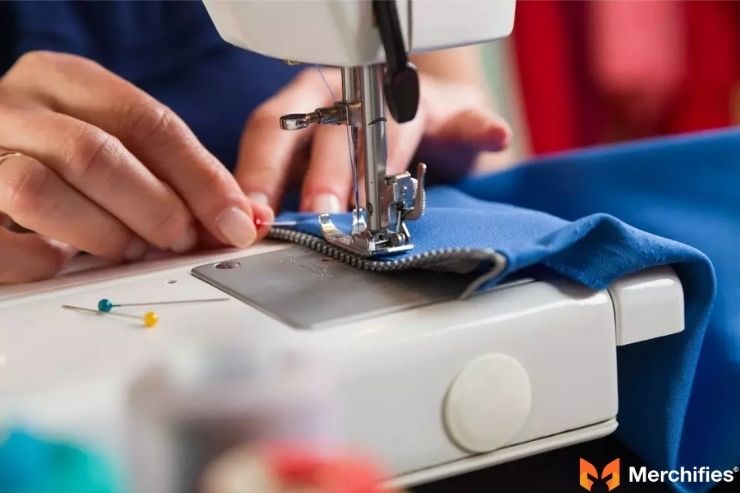
Fabric prices vary widely, and your budget will naturally play a role.
Cotton, polyester, and various blends offer excellent value and versatility for many projects.
Linen, rayon, and basic wools typically fall into a mid-range price point, offering good quality without breaking the bank.
For special garments, you might splurge on premium materials like silk, cashmere, or high-end wools, which offer unparalleled softness, drape, and feel.
Understanding the characteristics of different fabric types is fundamental to choosing clothing materials effectively. Here’s a quick overview of some of the most popular options.
Derived from plants or animals, natural fibers are often prized for their breathability and comfort.
Cotton is perhaps the most ubiquitous clothing fabric.

Known for its distinctive texture and coolness.
A natural insulator, sheep's wool is a powerhouse for cold weather.
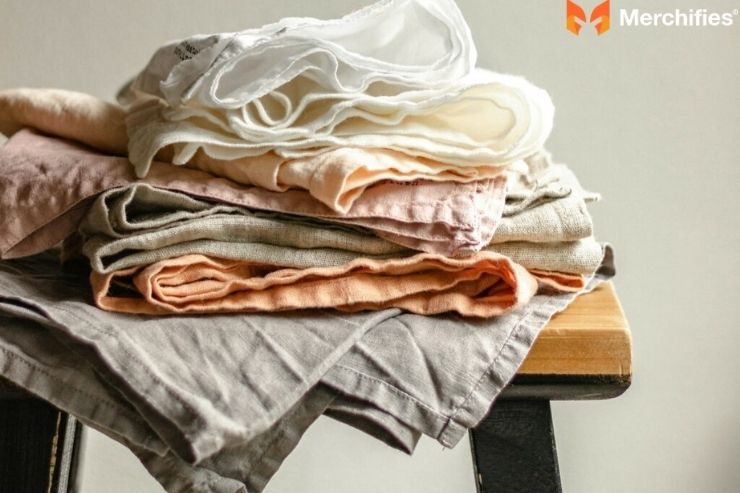
The epitome of luxury and elegance.
Briefly, fibers like Hemp (durable, sustainable, similar to linen) and Ramie (strong, lustrous, like linen but crisper) offer unique qualities for various applications.
Engineered for specific properties, these fibers often offer durability, stretch, or specialized performance.
A versatile and widely used synthetic.
Known for its strength and resilience.
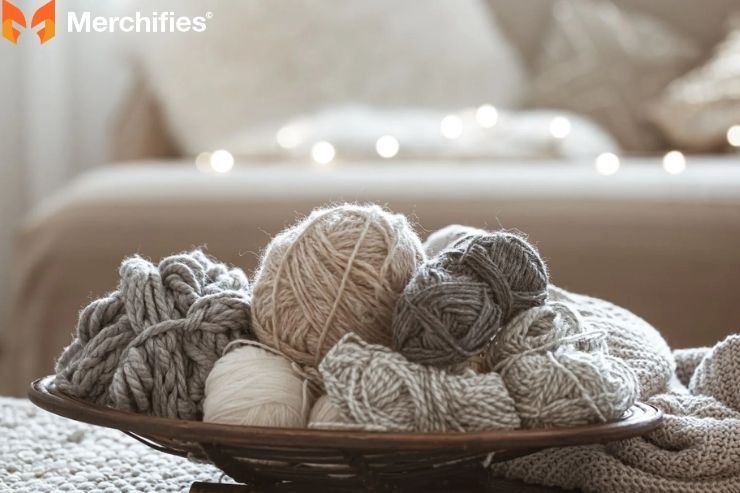
Made from regenerated cellulose, it mimics natural fibers.
The ultimate stretch fiber.
Often used as a wool substitute.
Blends combine different fibers to harness their best qualities and mitigate their weaknesses.
This popular blend offers the breathability of cotton with the durability and wrinkle resistance of polyester, making it ideal for everyday shirts, workwear, and activewear.
Adding spandex to cotton provides comfortable stretch and better shape retention, perfect for jeans, T-shirts, and close-fitting garments.
Combining wool with cashmere results in a fabric that is softer, lighter, and more luxurious than pure wool, while retaining excellent warmth, often used for premium sweaters and scarves. Blends exemplify understanding fabric properties to create optimized materials.
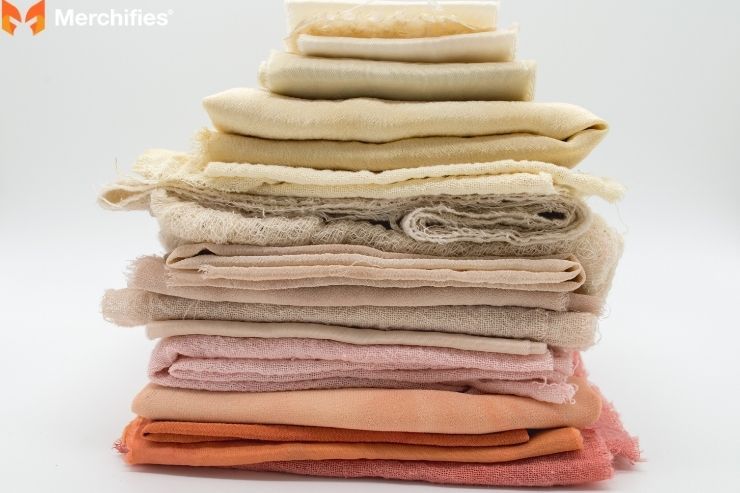
When considering types of fabrics for dresses, the options are vast, each offering a unique look, feel, and performance. The dress's occasion, desired silhouette, and season are key decision-makers.
For a flowing, elegant evening gown, consider Silk Charmeuse or Chiffon for their exquisite drape and luxurious sheen. Rayon or Viscose are excellent, more affordable alternatives that also offer beautiful flow. For a structured, formal dress, perhaps a heavy Satin or Brocade would lend sophistication.
Casual summer dresses often call for light, breathable fabrics like Cotton Lawn, Voile, or Linen. These provide comfort and a relaxed aesthetic. Jersey knits (cotton or rayon blends) are fantastic for comfortable, easy-to-wear everyday dresses that have a flattering stretch.
For cooler weather, wool crepes or even a fine flannel can make warm and stylish dresses, while velvet offers a rich, opulent feel for winter parties. Understanding these nuances helps you select the perfect material to bring your dress vision to life.
When learning how to choose fabric for clothing men, the focus often shifts towards durability, classic style, and functional comfort. Men's clothing frequently emphasizes structure and longevity, especially in items like suits, shirts, and trousers.
For business and formal wear, wool reigns supreme for suits due to its excellent drape, wrinkle resistance, and breathability. Cotton broadcloth or oxford cloth are go-to choices for shirts, offering crispness and comfort. For casual wear, denim is a staple for jeans, while sturdy cotton twill or canvas are popular for chinos and work jackets.
Activewear for men demands high-performance synthetics like polyester and nylon blends, which offer moisture-wicking properties and stretch. For everyday comfort, jersey knits (cotton or blends) are ideal for T-shirts and loungewear. Men often prioritize fabrics that are easy to care for and maintain their shape, making blends with polyester or spandex appealing for many garments.
How to choose fabric for clothing online presents a unique set of challenges, as you can't physically touch or drape the material. However, with a few smart strategies, you can make confident purchases.
Firstly, thoroughly read the product descriptions. Look for details on fiber content, weight (often in ounces per yard or GSM), width, and any mention of drape, stretch, or texture. Many online stores provide "fabric facts" or short videos that simulate drape. Secondly, check customer reviews. Other sewers or designers often share their experiences with the fabric's actual feel, color accuracy, and suitability for various projects.
Thirdly, order swatches whenever possible. While a small additional cost, swatches allow you to feel the hand, assess the true color, and test the drape in person before committing to a larger purchase. Finally, pay close attention to the return policy. Different online retailers have varying policies for cut fabric, so understanding this upfront can save you headaches. As Mason Ellis Grant always advises, "When shopping online, details are your best friends. Don't skim the description – it's the closest thing to feeling the fabric in your hands."
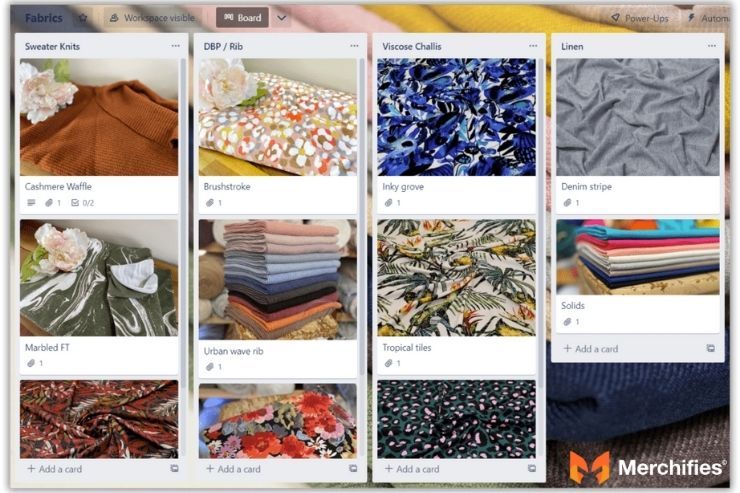
Navigating the fabric store, whether physical or virtual, can be overwhelming. These tips will help you make savvy choices.
If shopping in person, unroll a section of the fabric and hold it up. Observe how it falls – does it have a soft, flowing drape, or is it stiff and structured? Touch it to assess its texture, softness, and thickness against your skin. This visual and tactile test is crucial for visualizing the final garment.
Don't rely solely on appearance or what a fabric "feels" like. The content label (e.g., 100% Cotton, 60% Polyester/40% Rayon) provides essential information about the fabric's properties, care requirements, and how it will behave.
Many natural fibers shrink. Always buy a little extra fabric (5-10% more than your pattern requires) and pre-wash it according to the recommended care instructions before you cut. This crucial step prevents your finished garment from shrinking after its first wash.
It's far better to have a small amount of leftover fabric than to run out halfway through a project. Consider pattern repeats (if applicable), potential mistakes, or future adjustments you might want to make. Erring on the side of caution saves time and frustration.
Fabric store staff are often incredibly knowledgeable. If you're unsure about a fabric's suitability, care, or how much to buy, ask for their expertise. They can be a fantastic resource, especially for understanding fabric guide for sewing nuances.
Build a personal fabric library. When you find a fabric you love or want to remember, grab a small swatch. Label it with the fiber content, care instructions, and where you bought it. This becomes an invaluable reference for future projects.
Even experienced crafters can make missteps. Be aware of these common pitfalls to ensure your projects are successful.

A fabric might be beautiful, but if its properties don't match the garment's intended use (e.g., a delicate silk for rugged play clothes), you're setting yourself up for disappointment. Prioritize function and performance.
Ignoring how a fabric needs to be cared for can lead to damaged garments or excessive dry-cleaning bills. Always consider the long-term maintenance before committing to a fabric.
Will it be worn daily, for special occasions, or for specific activities? The environment and frequency of wear should always influence your fabric choice. This is fundamental to choosing clothing materials wisely.
As mentioned, running out of fabric mid-project is a frustrating and often costly mistake. Always calculate carefully and add a buffer.
Tackling a slippery chiffon as a beginner can quickly lead to frustration and a ruined project. Start with stable, easy-to-handle fabrics and gradually work your way up to more challenging materials.
The journey of how to choose fabric for clothing is an exciting one, full of creative potential. Remember that the "perfect" fabric is always relative to your project's specific needs, considering factors like purpose, properties, climate, care, skill level, and budget. By methodically evaluating these elements, you lay the groundwork for a successful and satisfying outcome.
Don't be afraid to experiment, learn from your experiences, and trust your instincts. Each fabric has a unique story and character, and understanding them empowers you to bring your creative visions to life. As Mason Ellis Grant often concludes his workshops, "Every garment begins with a choice, and that choice starts with the fabric. Embrace the process, and you'll create something truly special."
-d4c38c342cdf20ca.jpeg)


-b555fcc6b204c456.jpeg)