 Worldwide Shipping
 Secure Payments
 Free Return
 Local Support
-da0801079a650a2e.jpeg)
17 Year Anniversary Quotes: 110+ Funny, Romantic & Furniture Wishes (2026)
Mar, 12 2026
Explore the rich symbolism of Hopi T-shirts and indigenous Southwest designs. Learn how to identify authentic art, understand cultural meanings, and ethically support Native American artists with our comprehensive guide.
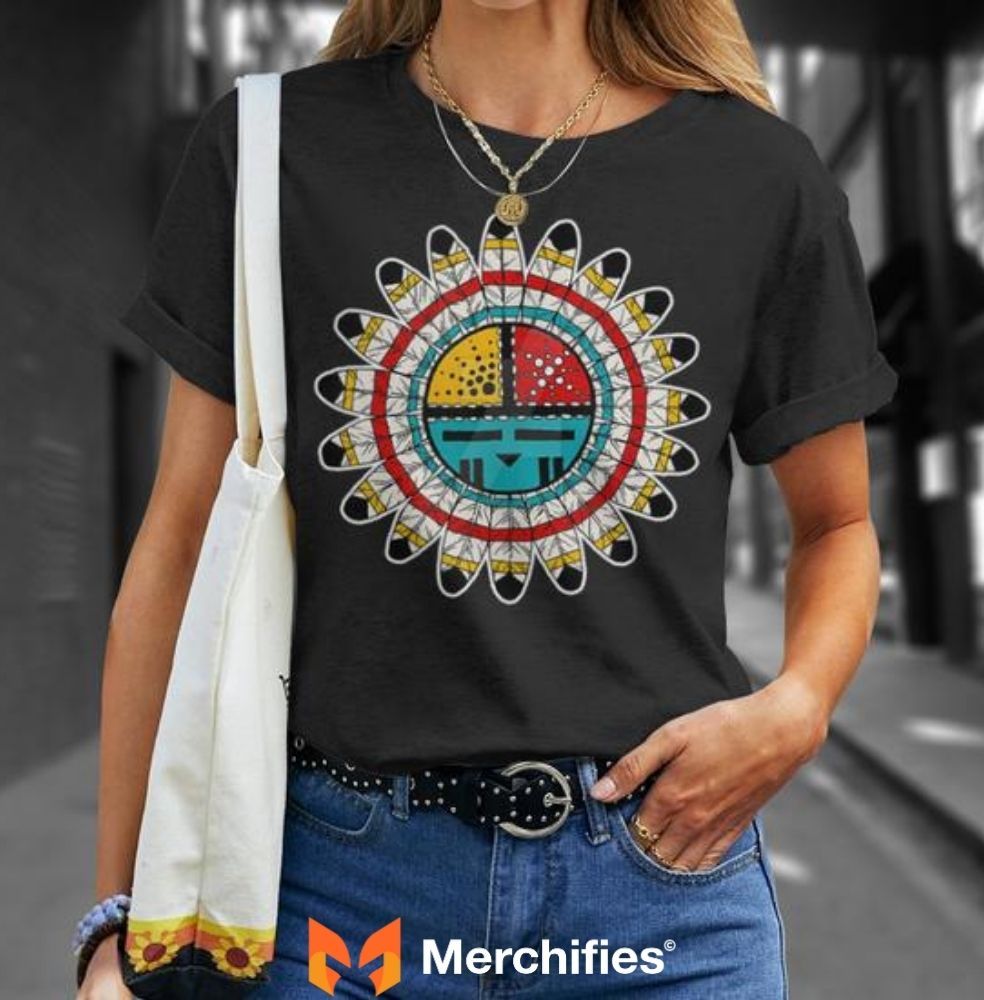
The moment you see an intricate design inspired by the American Southwest, there's an immediate sense of history, spirit, and breathtaking beauty. These aren't just patterns; they are narratives, often deeply rooted in centuries of cultural practice. In particular, the artistry behind Hopi designs carries immense spiritual and historical weight, making Hopi T-shirts and other indigenous Southwest design apparel much more than simple fashion statements. They represent a vibrant legacy, a connection to the land, and a profound way of life.
The growing popularity of these designs brings both opportunities and responsibilities. As a conscious consumer, understanding the cultural meaning, identifying authenticity, and most importantly, supporting the artists ethically, becomes paramount. In this comprehensive guide, Evelyn Sage, a recognized expert in Indigenous arts and ethical consumerism, shares her insights to help you navigate this rich landscape. We’ll explore the deep cultural significance, decode key symbols, show you how to identify genuine pieces, and guide you on where to buy authentic Native American shirts that truly honor the heritage they represent.
The visual language of the Southwest is as diverse and ancient as the landscapes themselves. Before diving into specific designs, it’s crucial to understand the artistic philosophies that shape them.

The Hopi people, with their enduring presence on the mesas of Arizona, possess one of the richest artistic traditions in North America. For centuries, their art – whether in pottery, intricate weaving, or the iconic Kachina dolls – has served not merely as decoration but as a profound expression of their spirituality, cosmology, and daily life. Hopi art is inextricably linked to their ceremonies, their reverence for the natural world, and their deep connection to ancestral wisdom. Every line, every shape, and every color often carries a story or a prayer, reflecting a philosophy deeply integrated with the cycles of nature and the pursuit of harmony.
While Hopi T-shirts are a specific focus, it's helpful to understand the broader context of "Indigenous Southwest Design." The term encompasses a mosaic of distinct art styles from various Native nations across the region, including the Navajo, Zuni, Pueblo (which includes Hopi), and many others. Each tribe boasts its unique aesthetics, cultural narratives, and preferred mediums—many of which continue to inspire modern Native American t shirt designs. However, common threads often weave through these diverse styles: a reverence for geometric patterns, the frequent depiction of natural motifs (animals, plants, celestial bodies), and a vibrant color palette drawn from the desert landscape. These shared characteristics create a recognizable Southwest tribal designs aesthetic, even as individual tribal expressions remain distinct and recognizable.
Understanding the specific Hopi art meaning behind the designs elevates a simple garment to a piece of cultural storytelling. Many common motifs carry deep spiritual or practical significance.
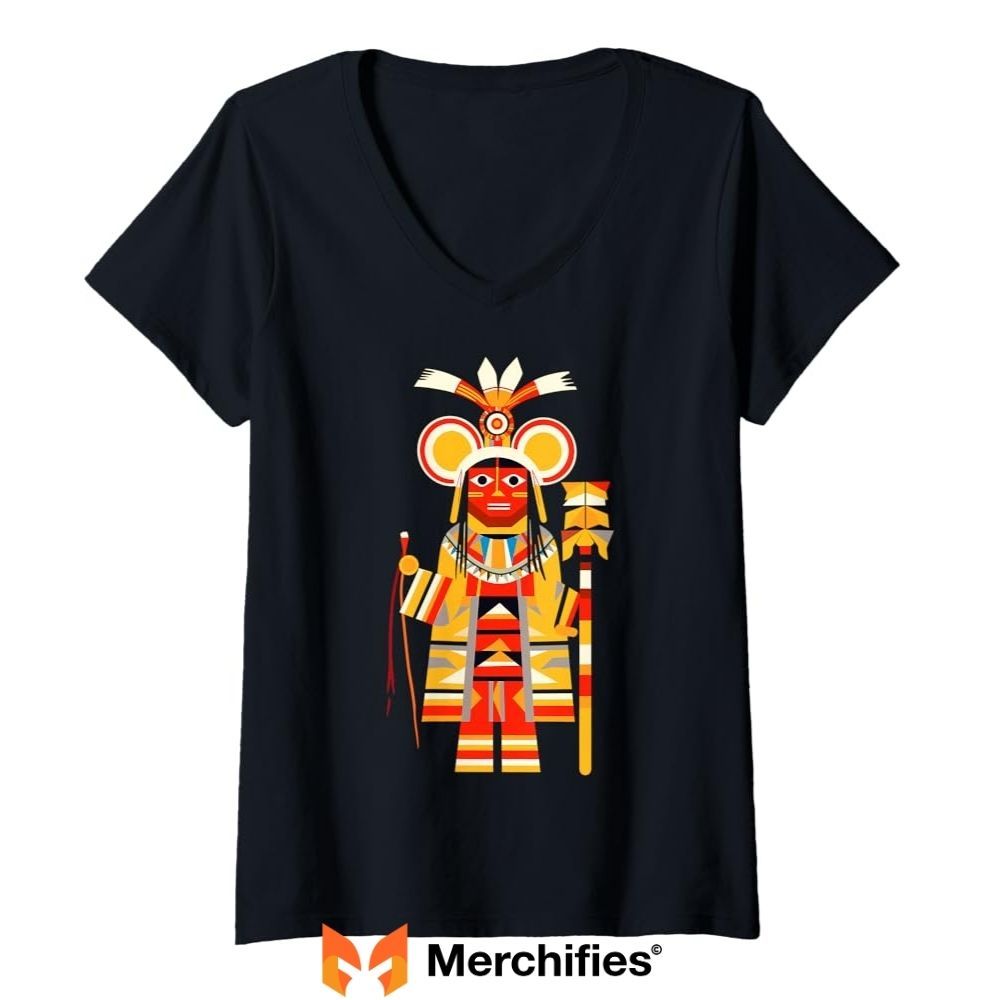
Among the most recognizable elements in Hopi art are the Kachinas. These are not deities themselves, but spiritual beings or messengers representing various aspects of the natural world, ancestral spirits, or qualities like rain, fertility, or healing. Depictions of Kachinas on Kachina t-shirts often show them in ceremonial attire, vibrant and detailed. For instance, the Sun Kachina embodies life and warmth, the Bear Kachina represents strength and healing, and the Owl Kachina is associated with wisdom and prophecy. It's vital that their representation is respectful and accurate, honoring their sacred role in Hopi culture.
Life in the desert Southwest has always been dependent on the elements, and this is profoundly reflected in the art:
Animals and geometric shapes also hold significant places in Native American symbols and Hopi T-shirts:

$12.79
$22.79
43% off
$12.79
$22.79
43% off
$12.79
$22.79
43% off
$12.79
$22.79
43% off
$12.79
$22.79
43% off
$12.79
$22.79
43% off
$12.79
$22.79
43% off
$12.79
$22.79
43% off
$12.79
$22.79
43% off
$12.79
$22.79
43% off
$12.79
$22.79
43% off
$12.79
$22.79
43% off
$12.79
$22.79
43% off
$12.79
$22.79
43% off
$12.79
$22.79
43% off
$12.79
$22.79
43% off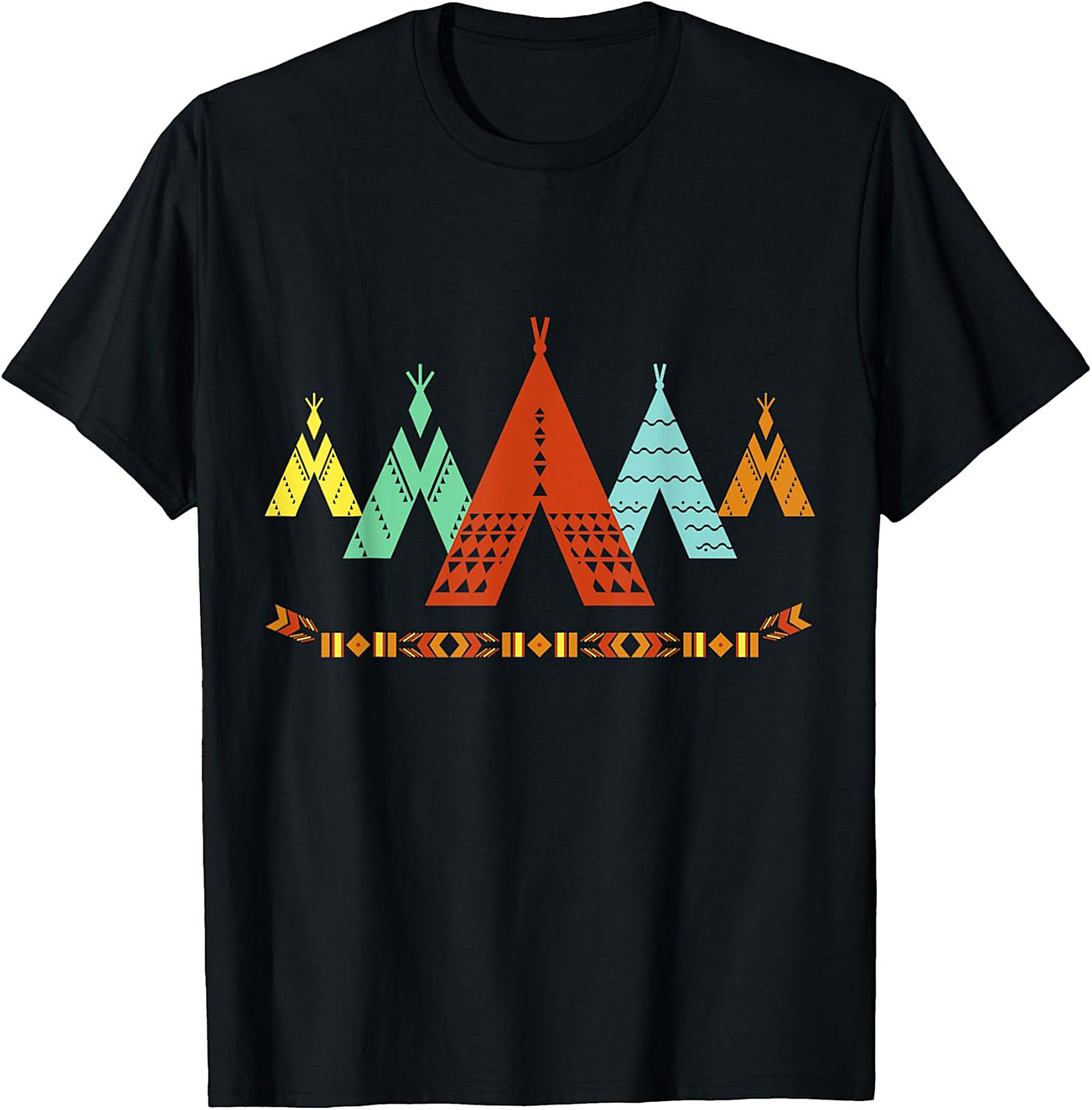
$12.79
$22.79
43% off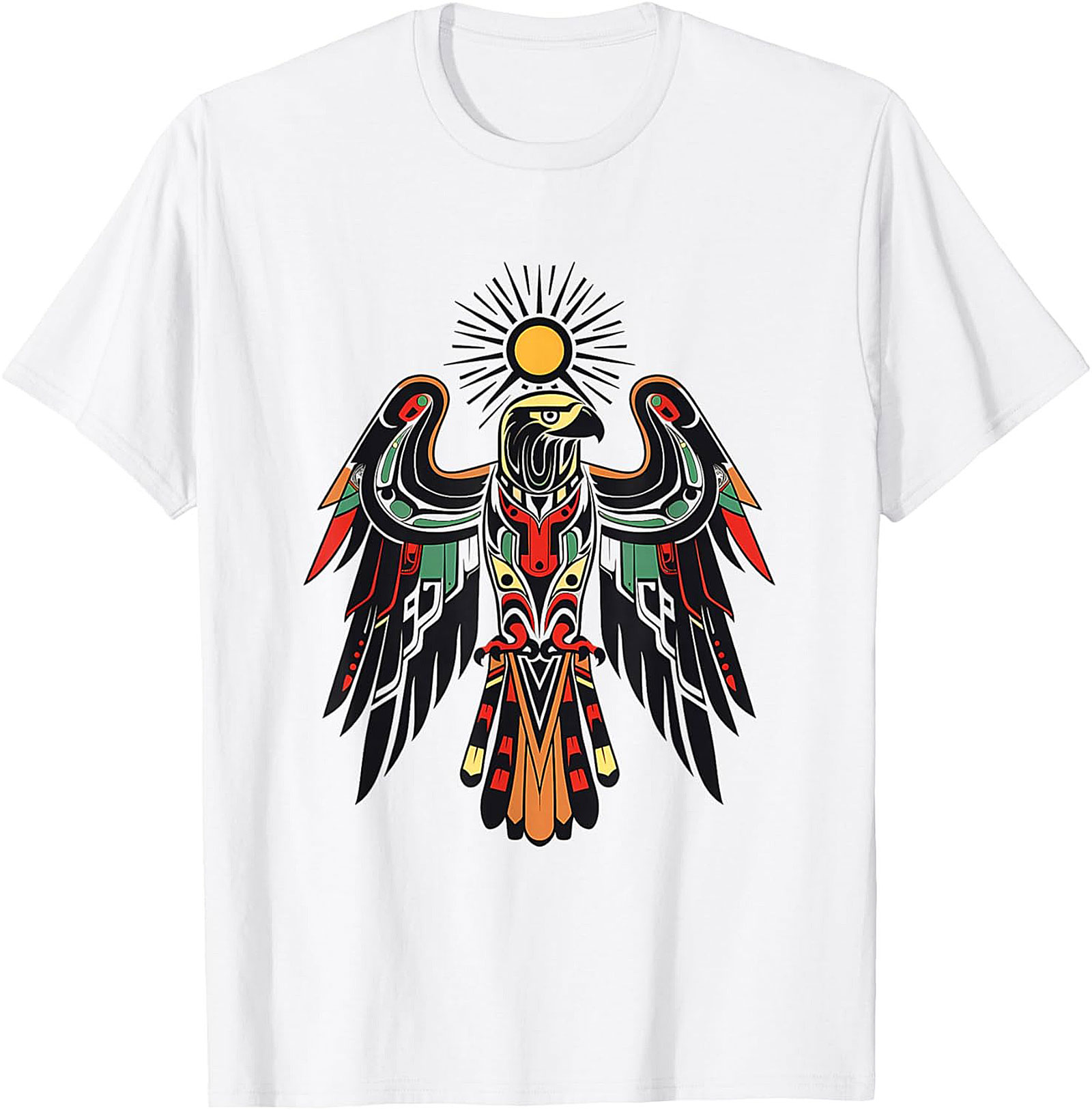
$12.79
$22.79
43% off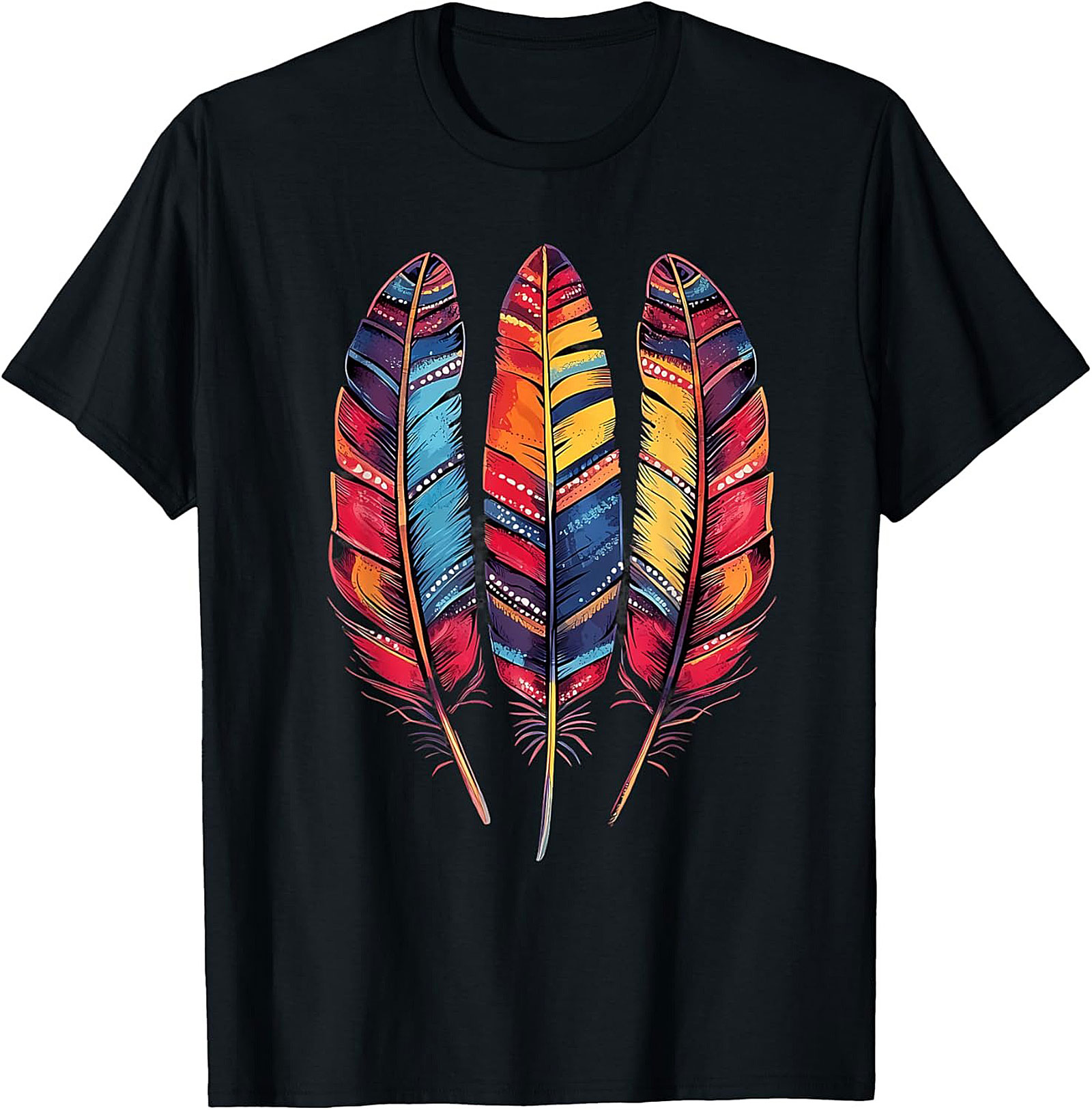
$12.79
$22.79
43% off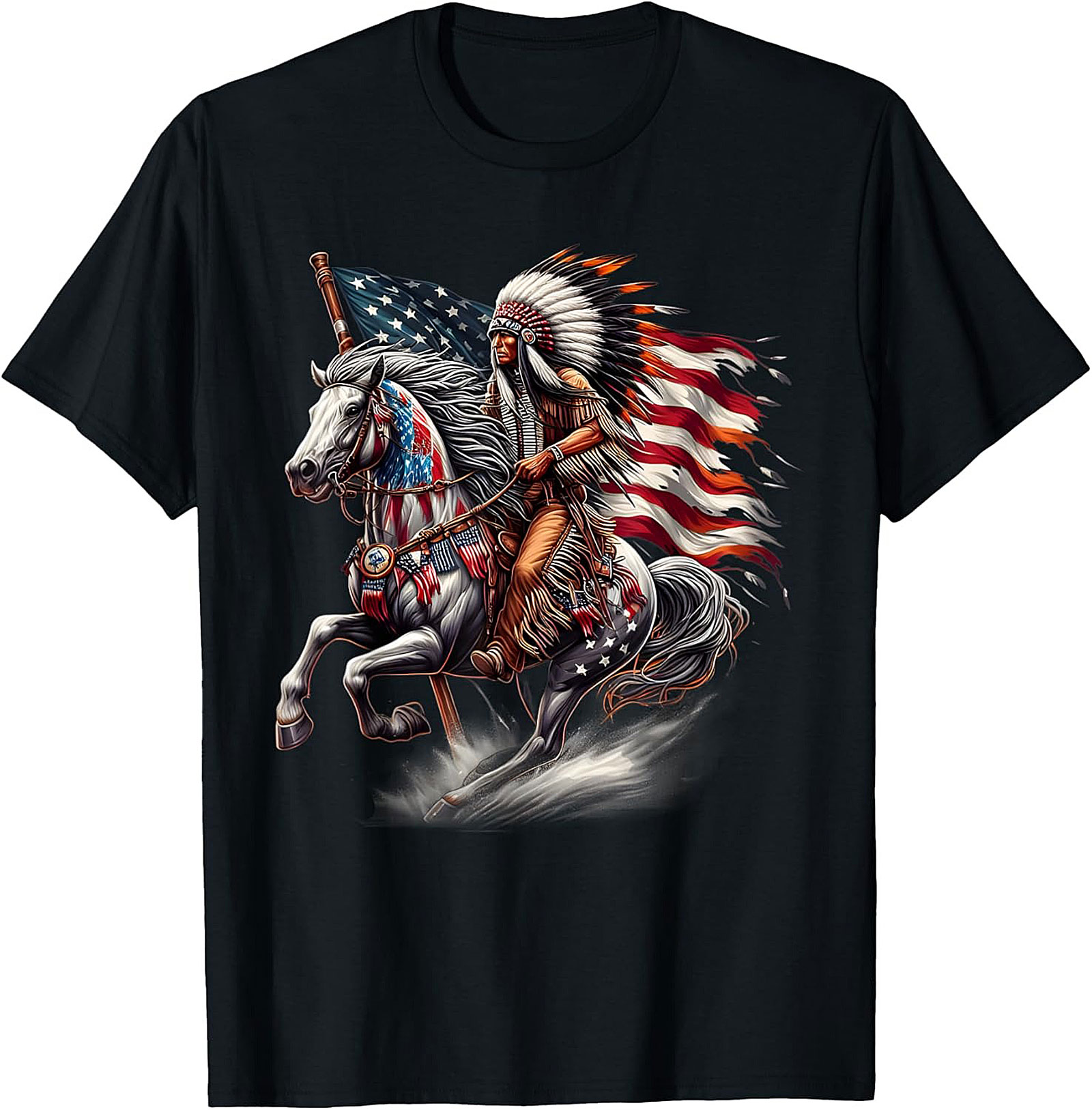
$12.79
$22.79
43% off
$12.79
$22.79
43% off
$12.79
$22.79
43% off
$12.79
$22.79
43% off
$12.79
$22.79
43% off
$12.79
$22.79
43% off
$12.79
$22.79
43% off
$12.79
$22.79
43% off
$12.79
$22.79
43% off
$12.79
$22.79
43% off
$12.79
$22.79
43% off
$12.79
$22.79
43% off
$12.79
$22.79
43% off
$12.79
$22.79
43% off
$12.79
$22.79
43% off
$12.79
$22.79
43% off
$12.79
$22.79
43% off
$12.79
$22.79
43% off
$12.79
$22.79
43% off
$12.79
$22.79
43% off
$12.79
$22.79
43% off
$12.79
$22.79
43% off
$12.79
$22.79
43% off
$12.79
$22.79
43% off
$12.79
$22.79
43% off
$12.79
$22.79
43% off
$12.79
$22.79
43% off
$12.79
$22.79
43% off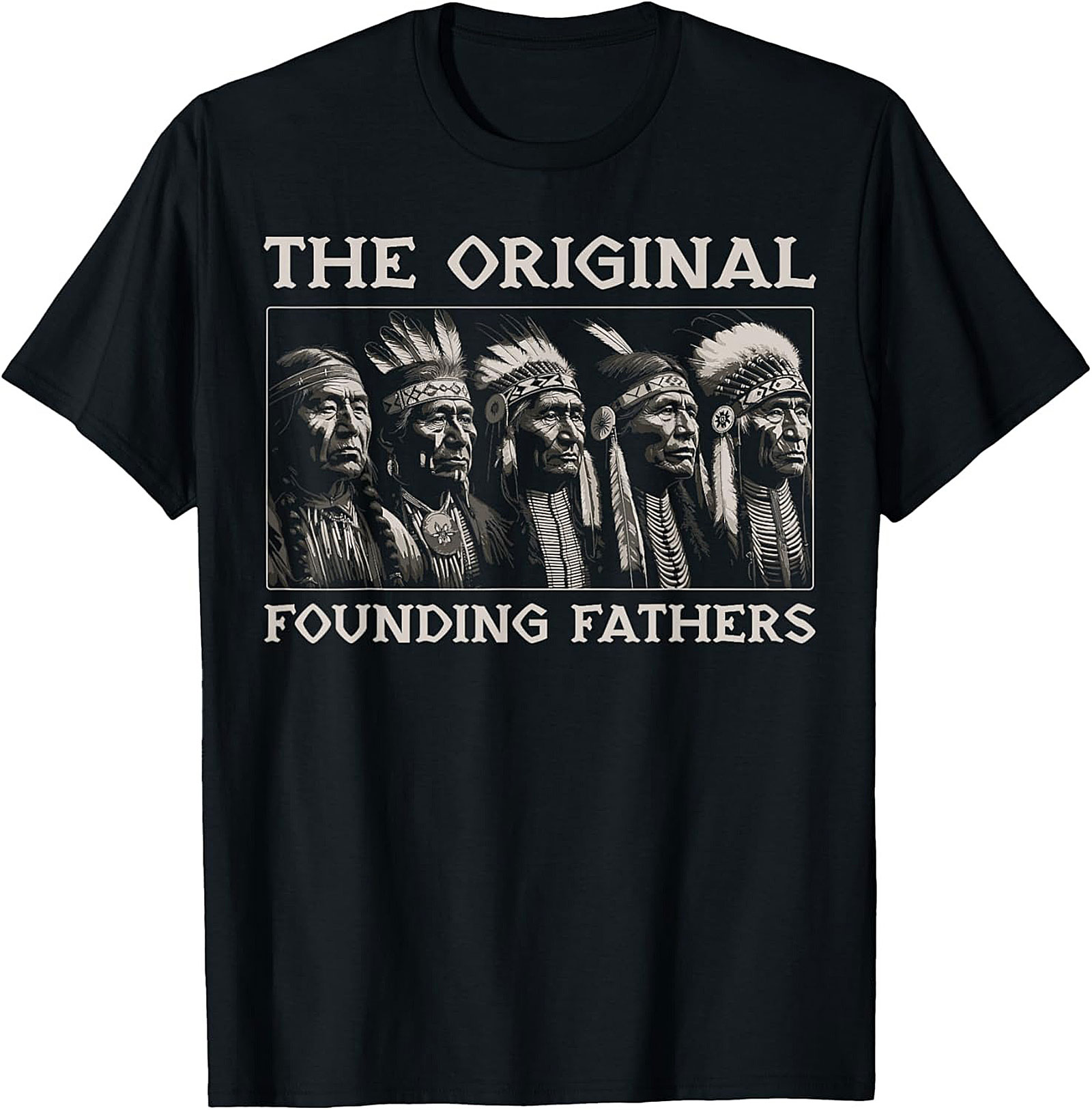
$12.79
$22.79
43% off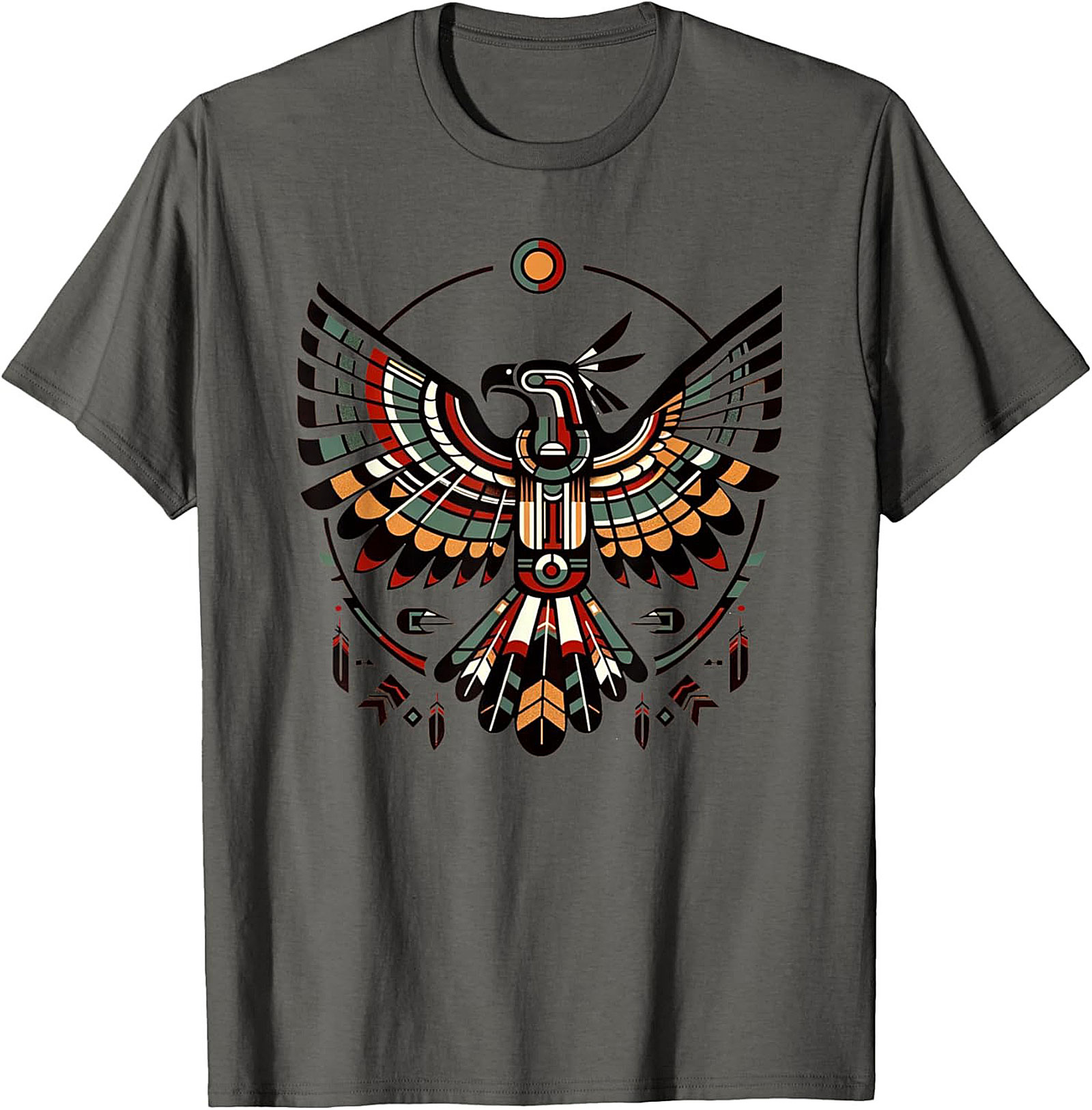
$12.79
$22.79
43% off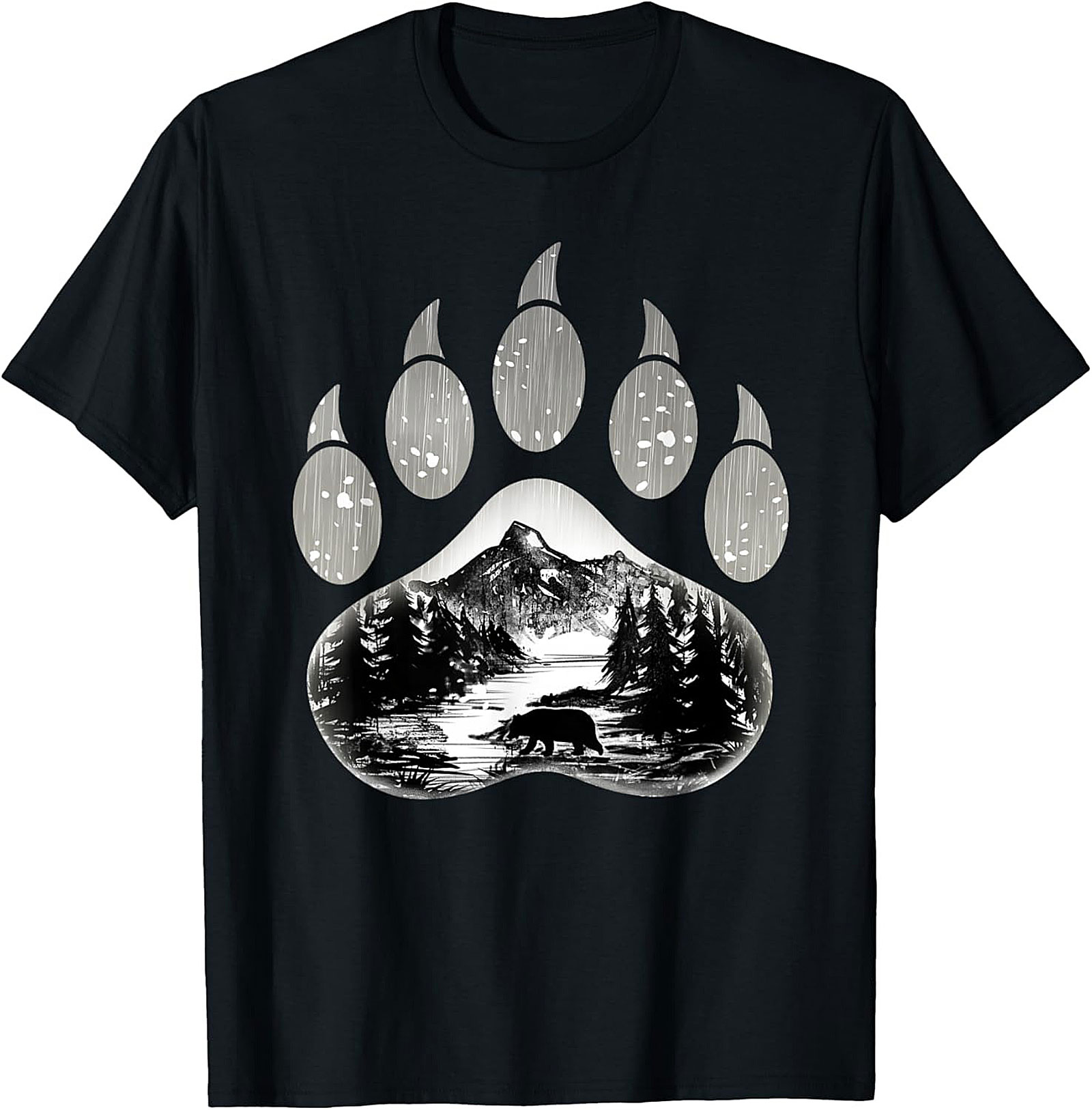
$12.79
$22.79
43% off
$12.79
$22.79
43% off
$12.79
$22.79
43% off
$12.79
$22.79
43% off
$12.79
$22.79
43% off
$12.79
$22.79
43% off
$12.79
$22.79
43% off
$12.79
$22.79
43% off
$12.79
$22.79
43% off
$12.79
$22.79
43% off
$12.79
$22.79
43% offWhen selecting Hopi T-shirts or any indigenous Southwest design apparel, a commitment to authenticity and ethical sourcing is crucial. It moves beyond mere fashion to a statement of respect.
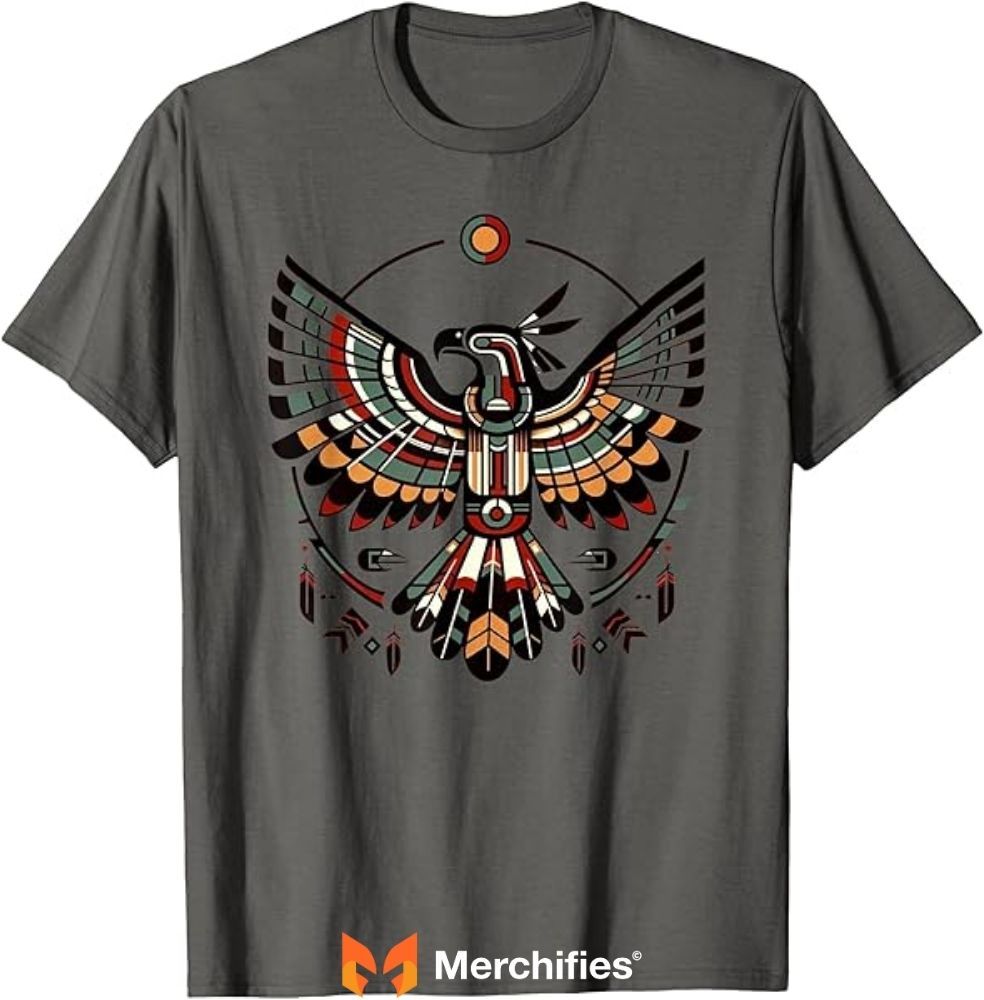
Distinguishing between cultural appropriation Native American and genuine appreciation is key. Appropriation often involves taking elements from a culture without understanding or respecting their original meaning, often for profit, and without benefiting the original creators. Genuine appreciation, as Evelyn Sage explains, involves understanding, acknowledging, and supporting the source culture.
Red Flags to watch for when considering a purchase:
Green Flags that indicate authentic Hopi designs and ethical sourcing:
Ethical sourcing isn't just a buzzword; it's a practice that directly impacts the livelihoods and cultural preservation of Native communities. When you invest in ethical Native American fashion, you ensure fair compensation for artists, help sustain traditional art forms, and contribute to the economic empowerment of Indigenous peoples. This approach combats exploitation and supports cultural continuity. A critical piece of legislation in the United States is the Indian Arts and Crafts Act of 1990, which makes it illegal to misrepresent products as Native American-made when they are not. Always look for certifications or clear statements of compliance, ensuring your purchase of authentic Native American shirts directly supports those who created them. This is how we support support Indigenous artists in a meaningful way.
Making an informed purchase means knowing where to look for genuine Southwest design apparel.

The most direct and impactful way to acquire authentic Native American clothing is by purchasing straight from the artists themselves or their tribal enterprises. This guarantees that your money directly supports the creator and their community. You might find artists selling their work through personal websites, social media, or through tribal cultural centers, such as the Hopi Cultural Center, which often features authentic arts and crafts programs. These direct channels offer not only unique pieces but also the stories behind them, fostering a deeper connection to the art.
Beyond direct channels, several reputable online marketplaces and boutiques specialize in Native American online stores for art and ethically sourced indigenous products. When shopping online, look for platforms that:
Feature detailed artist bios and tribal affiliations.
For a truly immersive experience, visiting physical galleries specializing in Native American art or attending Native American art fairs and festivals offers unparalleled advantages. You can meet the artists, hear their stories firsthand, experience the tactile quality of the items, and verify the quality and authenticity in person. These events are not just shopping opportunities but also vibrant cultural experiences, perfect for finding that unique Hopi T-shirt you've been searching for.
Wearing a Hopi T-shirt or any indigenous Southwest design is an opportunity to express appreciation and respect for a rich cultural heritage.

When styling your Hopi T-shirt, consider the garment as a focal point. Pair it with simple, classic basics that allow the intricate design and its cultural significance to shine. Avoid stereotypical accessories or combining it with other "Native-inspired" items in a way that creates a costume. The goal is to wear it as a statement of appreciation for the art and culture, not as a disguise. This mindful approach to how to wear Native American designs demonstrates genuine respect rather than casual trend-following.
Just like any treasured item, proper care will preserve the beauty and longevity of your Hopi T-shirt. Always follow the garment's specific washing instructions. Generally, washing inside out on a gentle cycle with cold water and air-drying or tumble drying on low heat will help protect the design and fabric. Treating it with care acknowledges its artistic and cultural value.
Our journey through the world of Hopi T-shirts and indigenous Southwest design reveals far more than just attractive patterns; it uncovers a tapestry woven with centuries of history, spirituality, and artistic mastery. From the profound meanings of Kachina figures and elemental symbols to the importance of ethical sourcing, we’ve seen that these garments are powerful carriers of culture.
As we conclude, Evelyn Sage reminds us that every purchase is a choice. By making informed, conscious, and ethical consumer choices, we not only acquire beautiful and unique Hopi T-shirts, but we also honor the rich cultural heritage they embody and directly support the talented Native American artists who keep these traditions alive. Let us continue to learn about Hopi culture and appreciate Native art with the respect and understanding it truly deserves.
-d4c38c342cdf20ca.jpeg)


-b555fcc6b204c456.jpeg)