-da0801079a650a2e.jpeg)
17 Year Anniversary Quotes: 110+ Funny, Romantic & Furniture Wishes (2026)
Mar, 12 2026

Father’s Day is celebrated worldwide, but the dates and traditions vary across cultures and countries. While the purpose remains the same—honoring fathers and father figures—each region brings its own unique customs, celebrations, and ways of showing appreciation. In this guide to Father’s Day traditions around the world, you’ll discover when different countries celebrate, how traditions differ, and what makes each celebration special. From family gatherings and gift-giving to cultural rituals and unique customs, this global overview highlights the many ways people honor dads across the world.
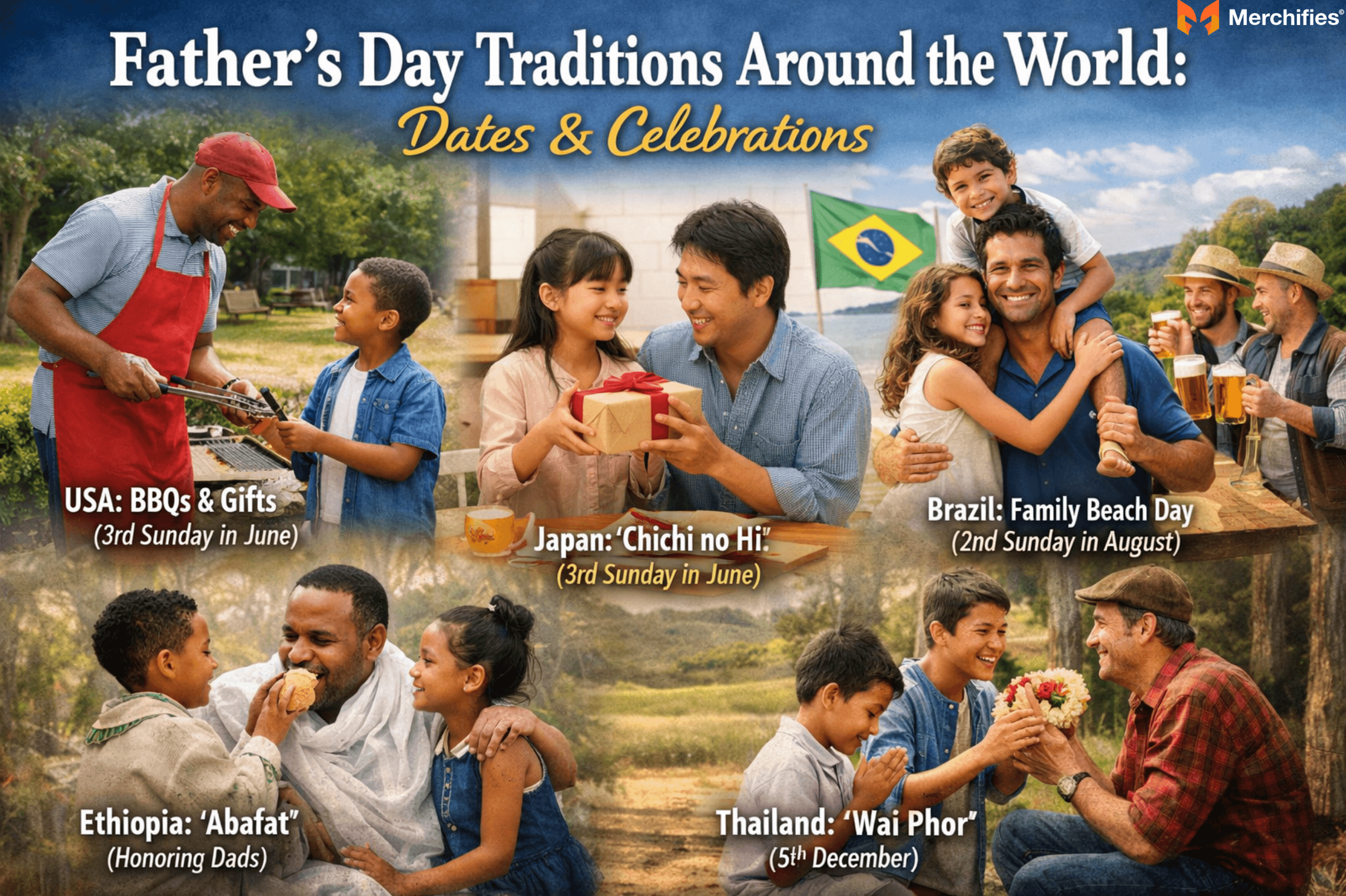
Across the Americas, Father’s Day is largely a time for family togetherness, often marked by gatherings, gifts, and shared meals. While the third Sunday in June is a common date, the specific cultural flavors of celebration add distinct regional character. The emphasis consistently falls on appreciating paternal figures, whether through grand gestures or quiet moments of thanks.
In the United States, Father's Day is celebrated on the third Sunday in June, a tradition that gained traction in the early 20th century, notably after Sonora Smart Dodd advocated for it in 1910. Typical celebrations often revolve around family meals, with backyard barbecues, elaborate brunches, or dinner reservations being popular choices. Gifts range from practical tools and gadgets to personalized items, reflecting the dad's hobbies. For instance, a classic American Father's Day might involve a dad firing up the grill for burgers and hot dogs, perhaps while watching a baseball game like the New York Yankees playing at Yankee Stadium, a common sight on a Sunday afternoon in June. This communal focus on food and sports perfectly embodies the laid-back yet meaningful appreciation for fathers. Similarly, in Canada, the third Sunday in June sees families gather for similar activities, often including outdoor excursions like fishing trips or hikes, especially in provinces like British Columbia known for their natural beauty. It's a day when children often make handmade cards, a simple yet cherished gesture. My take on this trend? While the commercial aspect of Father's Day, particularly in the U.S., sometimes overshadows its true meaning with endless ads for ties and tools, the underlying tradition of dedicated family time remains strong and, frankly, essential. It forces a pause, a moment to truly acknowledge the quiet strength and often unheralded efforts of fathers, regardless of the gift wrap.
Many Latin American countries also observe Father's Day on the third Sunday in June, mirroring the U.S. date. However, the celebrations often take on a more vibrant, extended family-centric approach, characteristic of Latin American culture. In Mexico, for example, *Día del Padre* is a significant occasion where families often gather for large, multi-generational feasts, often featuring traditional dishes like mole or carnitas. Music, dancing, and lively conversations are central to these celebrations. Children often perform skits or songs, adding a personal touch to the festivities. In Brazil, while also on the second Sunday of August, *Dia dos Pais* is another example of collective joy. Families might enjoy a churrasco (barbecue) or head to the beach in coastal cities like Rio de Janeiro. Some regions, particularly those with a stronger Catholic influence, might also attend special church services. The sheer scale of these family gatherings, bringing together aunts, uncles, cousins, and grandparents, is what truly sets Latin American celebrations apart. It’s a powerful testament to the enduring value of extended family, making the day less about individual gifts and more about collective celebration and gratitude.
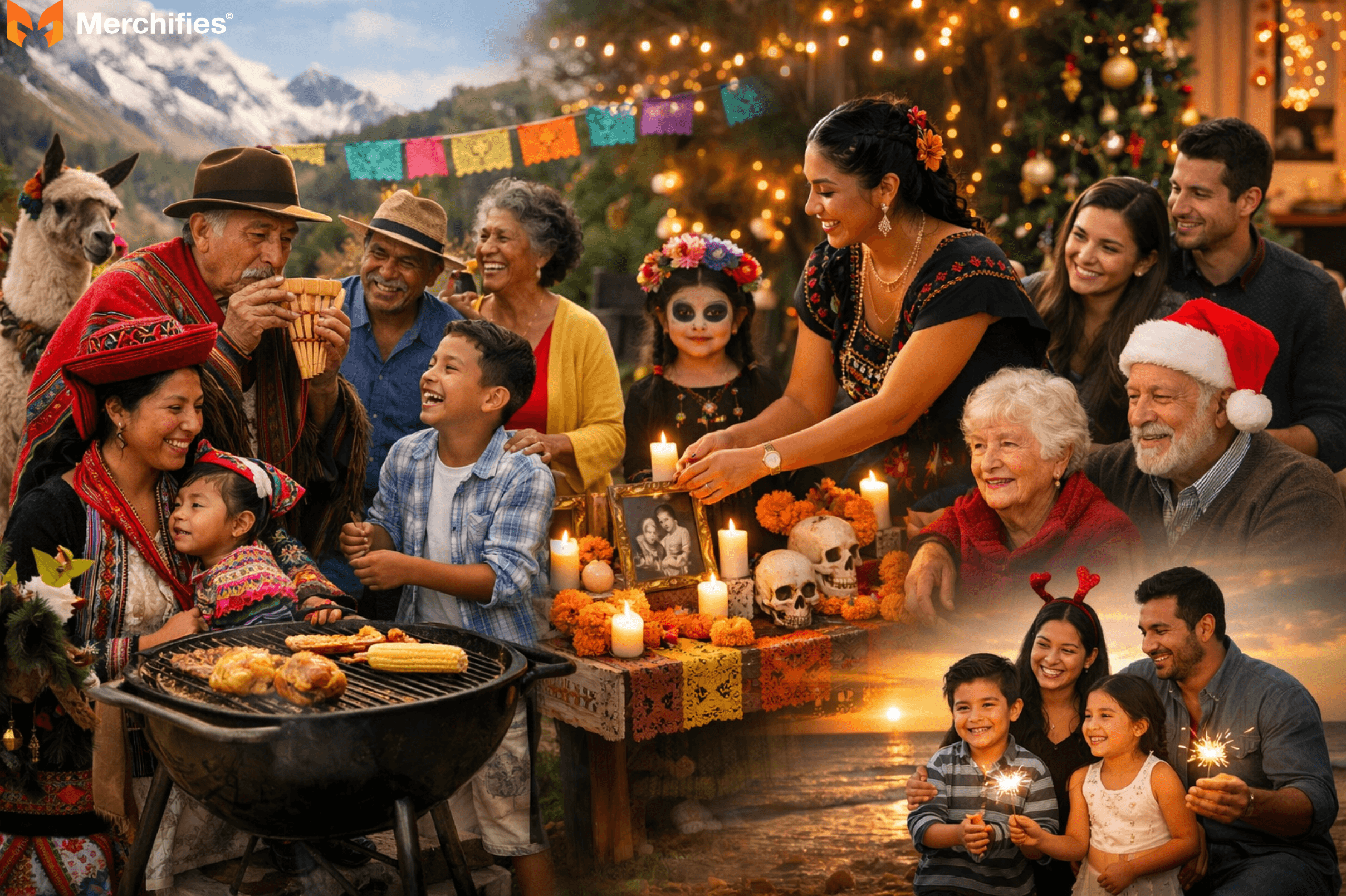
Across Asia, Father’s Day traditions are deeply rooted in cultural values of respect, filial piety, and familial honor. While some countries have adopted Western dates, many maintain unique observances that reflect centuries of tradition and reverence for paternal figures. These celebrations often incorporate symbolic gestures and community involvement, going beyond simple gift-giving.
In East Asia, the concept of filial piety heavily influences how fathers are honored. Japan celebrates Father's Day, or *Chichi no Hi*, on the third Sunday in June. Gifts often include practical items like sake, gourmet food, or even electronics, but handmade cards and personal messages are highly valued. A popular tradition involves children creating artwork or cooking their father's favorite meal. In Korea, Father's Day is not a separate holiday; instead, parents are honored together on Parents' Day (*Eobeoi Nal*) on May 8th. This day involves presenting carnations to parents, a symbol of love and gratitude, and often a family meal. China, while not having an officially recognized Father's Day across the mainland, saw a brief observance of August 8th (the eighth day of the eighth month, where "eight" in Chinese, *ba*, sounds like *baba* or "dad") in the Republic of China era. Today, the third Sunday in June is widely recognized in Hong Kong, Macau, and Taiwan. My observation is that the traditional emphasis on respect in East Asian cultures means that while Western-style gifts are common, the most profound tributes often come in the form of dedicated service, thoughtful gestures, and upholding family honor, as seen in the multi-generational reverence in many Korean families. It's less about a single day's recognition and more about a lifelong commitment to respect.
Southeast Asian nations celebrate Father's Day with varying dates and customs, each imbued with local flavor. In Thailand, Father's Day is celebrated on December 5th, which is also the birthday of the late King Bhumibol Adulyadej. This makes it a national holiday, deeply intertwined with reverence for the monarchy. People wear yellow, the King's color, and families gather, often presenting their fathers with a canna lily, a flower associated with masculinity. The celebration is both a national tribute and a personal family observance. The Philippines, largely influenced by American traditions, celebrates Father's Day on the third Sunday in June. Families often gather for large meals, attend church, and give gifts. However, the Filipino tradition of mano po (a gesture of respect where one takes the elder's hand and presses it to their forehead) is also often performed, especially by younger children, as a sign of reverence. In Nepal, Father's Day, or Gokarna Aunsi, is celebrated on the new moon day of late August or early September. Children traditionally offer gifts and sweets to their fathers, and many travel to the sacred site of Gokarna, near Kathmandu, to perform rituals for deceased fathers. This blend of personal gratitude and spiritual observance truly sets these father’s day traditions apart, showing how deeply cultural and religious beliefs can shape a modern holiday.
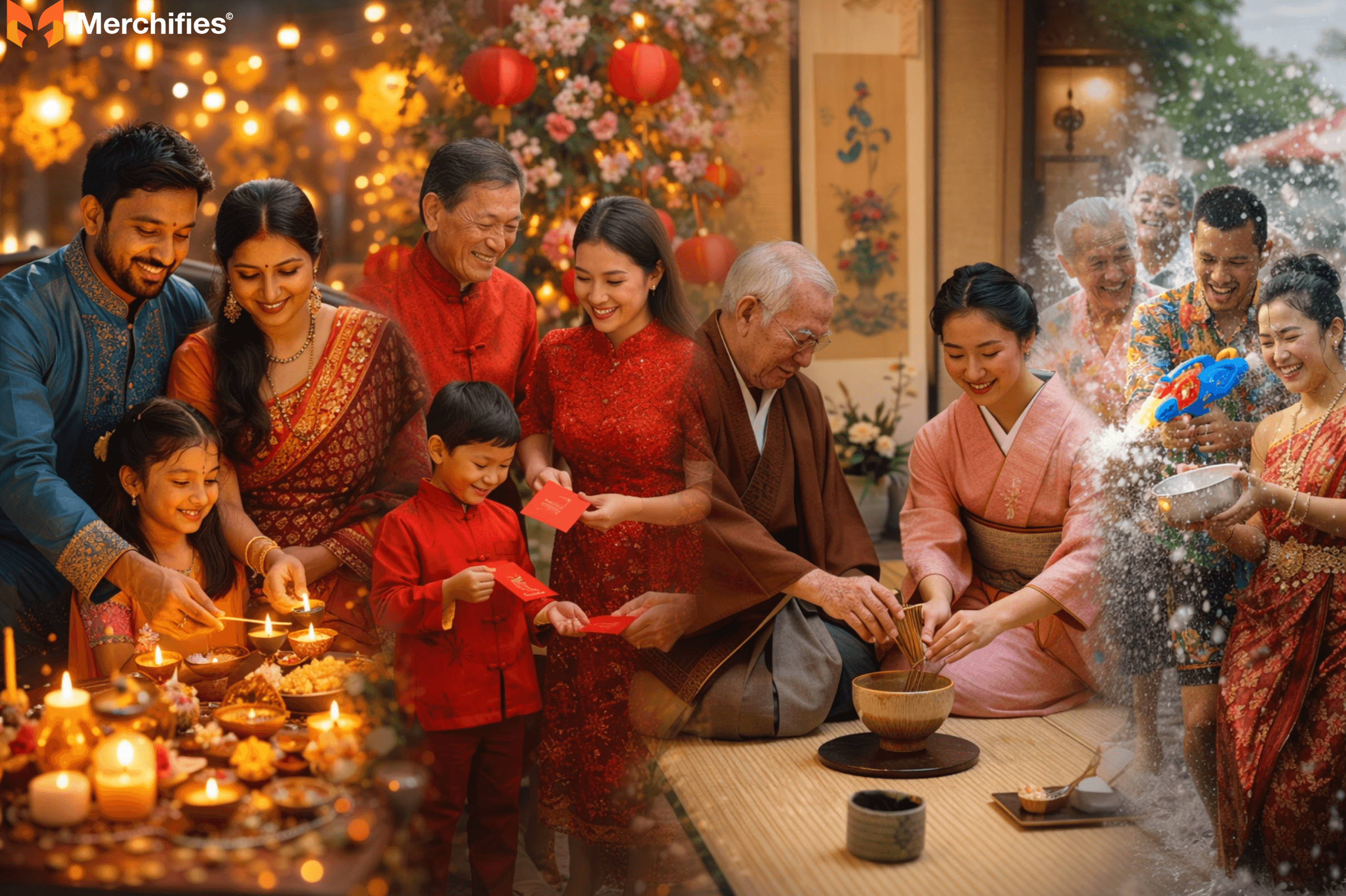
Europe's Father's Day traditions present a fascinating mosaic of religious reverence, historical roots, and modern consumer culture. While many countries have adopted the mid-June date, others maintain celebrations tied to ancient Christian feast days, offering a rich tapestry of observances. This dual influence creates a diverse landscape of heartfelt expressions.
Many Western European countries, including the United Kingdom, France, and Ireland, observe Father's Day on the third Sunday in June, aligning with the U.S. In the UK, families often gather for Sunday roasts, and children present cards and small gifts. My long-standing observation is that while the sentiment is strong, the commercial intensity isn't quite at the American level; it's more about thoughtful gestures. For example, a father in London might receive a craft beer selection or a book, followed by a walk in a local park. France celebrates *Fête des Pères* with similar family meals and gifts, often involving homemade crafts from children. However, a significant number of Catholic countries in Southern Europe, like Italy, Spain, and Portugal, celebrate Father's Day on March 19th, coinciding with St. Joseph's Day (*Festa di San Giuseppe* in Italy, *Día del Padre* in Spain). St. Joseph, the earthly father of Jesus, is seen as the quintessential paternal figure. In Italy, this day often involves special pastries, particularly *zeppole di San Giuseppe*, and family gatherings. In Spain, it's a public holiday in some regions, and families attend mass before enjoying a special meal. The deep religious significance here, connecting the celebration directly to a revered saint, adds a layer of spiritual depth often absent in purely secular observances.
Eastern European countries also showcase a mix of dates and traditions. In Poland, Father's Day (*Dzień Ojca*) is celebrated on June 23rd, just a few days after the common June date. It’s a day for children to honor their fathers with cards, flowers, and small gifts, often accompanied by a family meal. The focus is strongly on personal appreciation and family bonding, without the intense commercial pressure seen elsewhere. Russia, interestingly, does not have a specific Father’s Day in the Western sense. Instead, men are honored on Defender of the Fatherland Day on February 23rd, a national holiday that celebrates military personnel and is widely seen as a day for all men. Women often present gifts to the men in their lives, including fathers, husbands, and sons. This historical context, born from Soviet military traditions, provides a unique lens through which to view paternal celebration. It’s an interesting cultural difference where the concept of fatherhood is intertwined with masculine protection and national service, a distinct departure from the more sentimental, individual-focused father’s day messages often exchanged in other parts of the world.

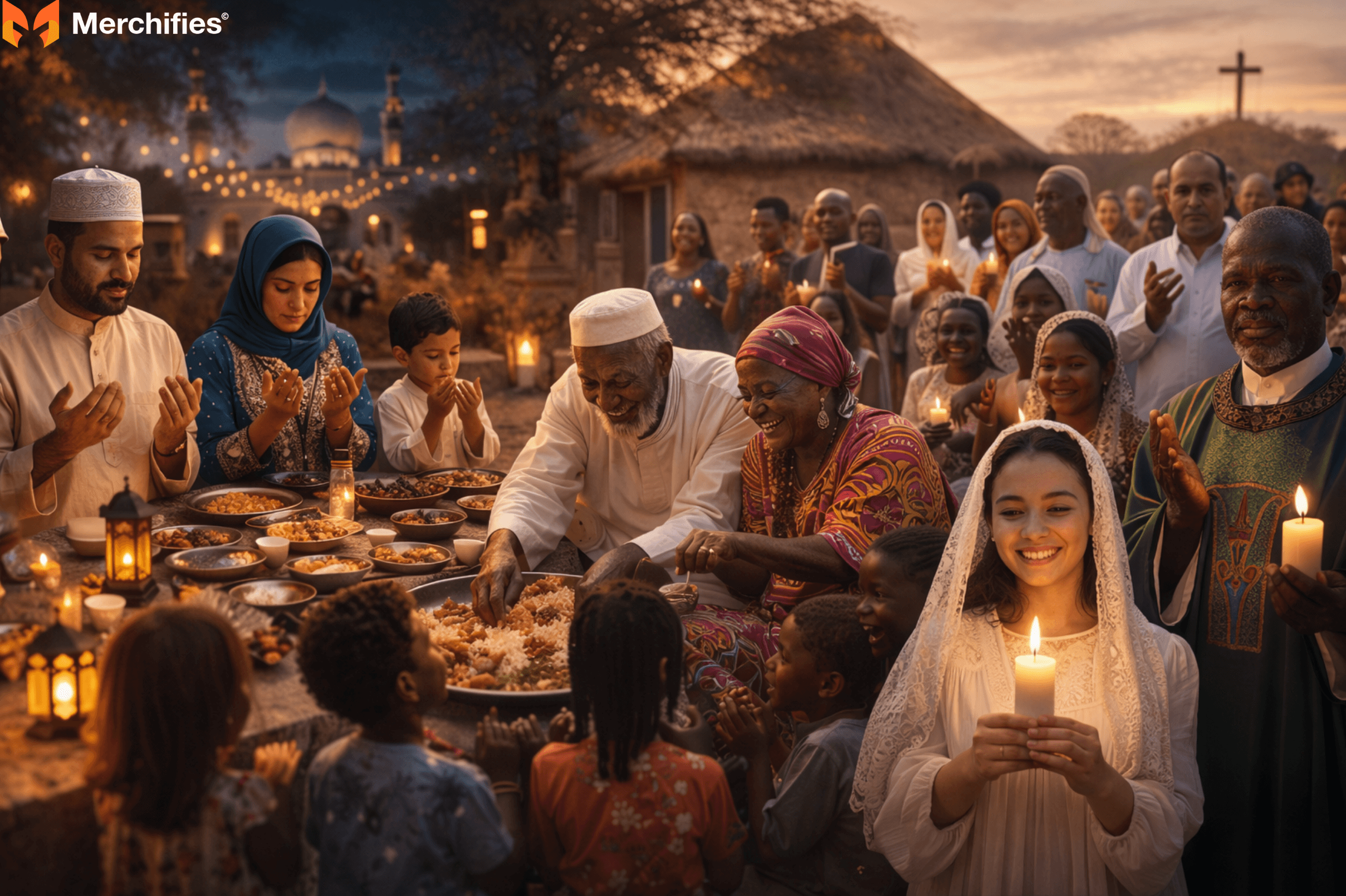
Father's Day in the Middle East and Africa is often characterized by a strong emphasis on family values, community respect, and, in some cases, religious observance. While not universally celebrated on a single date, the underlying sentiment of gratitude towards paternal figures is deeply ingrained in the social fabric of these regions. Celebrations reflect a blend of ancient customs and modern influences.
In many Middle Eastern countries, while a specific "Father's Day" might not be a long-standing traditional holiday, the third Sunday in June is increasingly recognized, particularly in urban areas and among younger generations. However, the respect and honor for fathers are deeply embedded in daily life and cultural norms, extending far beyond a single annual celebration. In countries like Egypt and Lebanon, families might gather for special meals, and children often give small gifts or express their appreciation verbally. The broader cultural context emphasizes filial piety and respect for elders, which means fathers are consistently held in high esteem. In Saudi Arabia, for instance, while there isn't an official Father's Day, the strong family unit means that fathers are revered daily. Any celebration would naturally fit within the Islamic framework of respecting parents. My take is that in these regions, the concept of honoring fathers isn't confined to a single calendar date but is a continuous, integral part of family dynamics and social structure. This makes the adoption of a specific Father's Day more of a modern overlay rather than a fundamental shift in how fathers are valued.
Across the diverse continent of Africa, Father's Day traditions vary significantly. In countries with historical ties to Western nations, such as South Africa and Nigeria, Father's Day is celebrated on the third Sunday in June. Here, celebrations often involve family gatherings, church services, and gift-giving, much like in North America. In South Africa, a family might enjoy a braai (barbecue), reflecting the nation's vibrant outdoor culture. However, in many other African cultures, the role of fathers and elders is celebrated through traditional ceremonies and daily respect rather than a designated holiday. For instance, in some West African societies, community elders and patriarchs are honored through various cultural festivals and rites of passage that reinforce their importance within the community. These are not explicitly "Father's Day" but serve a similar purpose of recognizing leadership and paternal guidance. The communal aspect is particularly strong, often involving extended family and community members in the celebration of family heads. This collective recognition, rather than an individualized focus, truly highlights the community-centric nature of many African societies.
In Oceania, particularly Australia and New Zealand, Father's Day arrives with the fresh bloom of spring, offering a unique seasonal backdrop for celebrations. Unlike many other parts of the world that observe the holiday in summer, the springtime timing influences the types of activities families choose, emphasizing outdoor enjoyment and community spirit.
Australia and New Zealand celebrate Father's Day on the first Sunday in September. This timing places the holiday in early spring, leading to many outdoor-focused activities. Families often head to parks for picnics, enjoy beach outings (as the weather starts to warm up), or engage in sports. It’s common for children to make handmade gifts and cards, and for families to share a special breakfast or lunch. In Australia, a typical Father's Day might involve a family hitting the local park for a game of cricket or footy, followed by a BBQ. My professional assessment of this timing is that it’s brilliant. Celebrating in spring, rather than the end of summer like many Northern Hemisphere countries, gives the day a fresh, vibrant feel. It naturally encourages families to get outside and enjoy the burgeoning season, making the celebration feel less about obligation and more about embracing joy and new beginnings. This seasonal advantage truly enhances the celebratory mood, distinguishing these father’s day traditions from those observed in other parts of the world.
For those living far from their fathers, Father's Day can bring a mix of emotions. While physical presence may be impossible, modern technology and services make it easier than ever to bridge the distance and ensure fathers still feel loved and appreciated, no matter where they are in the world. This is where thoughtful planning and reliable tools become invaluable.
When you're separated by continents, celebrating Father's Day requires a bit more creativity and planning. Video calls via platforms like Zoom or WhatsApp have become indispensable for virtual family gatherings, allowing children to see their fathers' reactions to gifts or simply share a heartfelt conversation. Beyond digital connections, sending physical gifts or even monetary support can make a tangible difference. For instance, if your father lives in the Philippines and you're in the U.S., you might use a service like Remitly to send money directly to his bank account or for cash pickup, ensuring he can celebrate with a special meal or purchase something he needs. This direct financial support can be particularly meaningful, especially when traditional gifts are difficult to send internationally. Another thoughtful gesture is to arrange for local delivery of flowers, a gift basket, or a meal from a restaurant near your father's home. Many international services facilitate this, ensuring your gift arrives fresh and on time. For many, the ability to send money internationally is not just about gifts, but about providing ongoing support for fathers who might be managing household expenses or facing unexpected costs. Remitly, for example, offers transparent fees and competitive exchange rates, making it a reliable option for sending money to family members globally, ensuring that your financial support reaches your father efficiently and securely, no matter the distance. It’s a practical way to show you care, bridging the gap when you can’t be there in person.
-d4c38c342cdf20ca.jpeg)


-b555fcc6b204c456.jpeg)