 Worldwide Shipping
 Secure Payments
 Free Return
 Local Support
-da0801079a650a2e.jpeg)
17 Year Anniversary Quotes: 110+ Funny, Romantic & Furniture Wishes (2026)
Mar, 12 2026
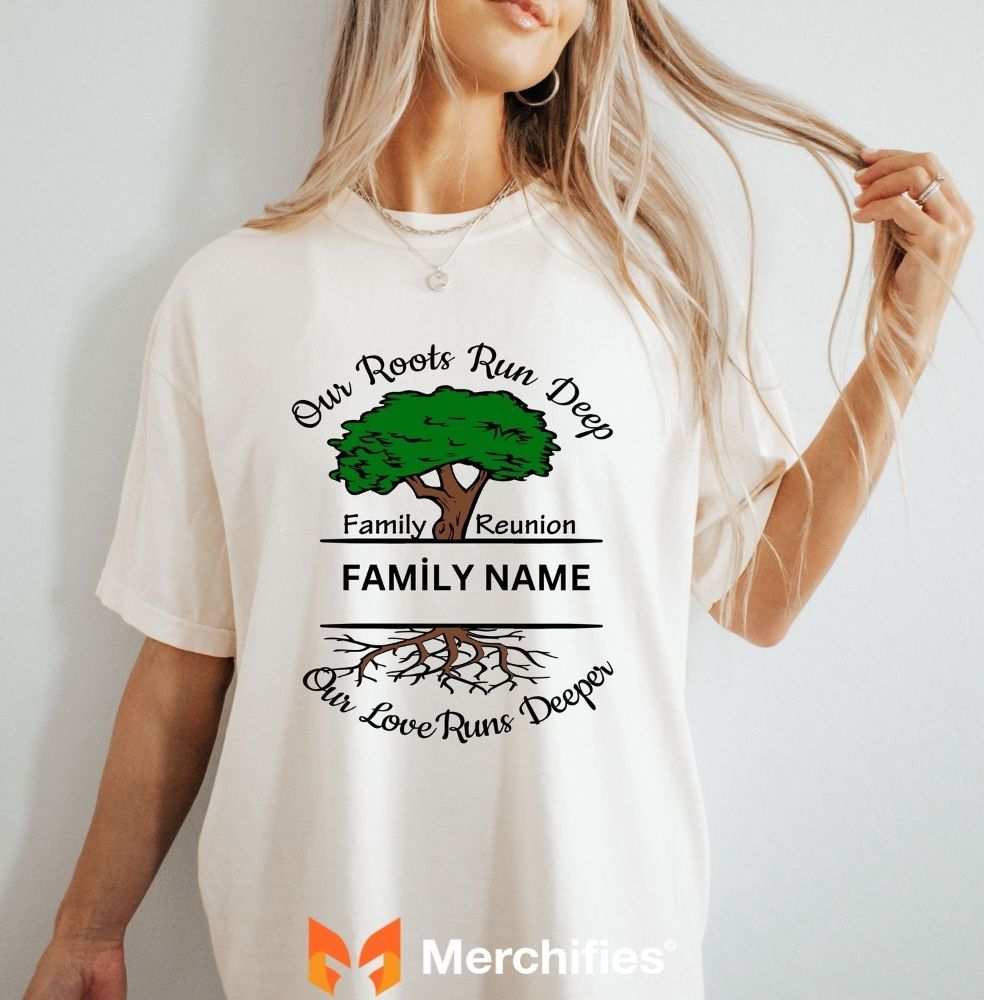
Family and heritage shirts are a meaningful way to celebrate identity, honor traditions, and express pride in one’s cultural roots. For many people with Native heritage, these shirts can represent history, community, and the values passed down through generations. In this guide to family and heritage shirts that celebrate Native roots, you’ll discover design ideas and themes that highlight cultural pride, storytelling, and connection to ancestry. From symbolic patterns and meaningful phrases to family-inspired graphics, these shirts offer a thoughtful way to honor heritage while sharing it proudly with others.
There's a growing desire today for clothing that authentically reflects cultural identity, community, and heritage. We see it in the increasing interest in native shirts and family tribal shirts. These aren't just fashion trends; they are powerful expressions of identity, history, and resilience, carrying deep meaning for individuals and communities alike.
At their core, these garments represent a tangible link to ancestral traditions, tribal narratives, and the enduring spirit of Indigenous peoples. As experienced cultural observer Evelyn Sage often emphasizes, embracing authentic Indigenous apparel goes far beyond mere aesthetics; it's about connecting with stories, supporting vibrant cultures, and understanding history.
The importance of authenticity in this space cannot be overstated. In a world saturated with mass-produced items, understanding why genuine Indigenous-made items matter is crucial. In this guide, you’ll learn how to identify, purchase, and appreciate authentic Indigenous apparel while directly supporting the talented creators and their communities.
Opting for authentic native heritage shirts or family tribal shirts isn't just about owning a beautiful piece of clothing; it's a conscious decision with far-reaching positive impacts.
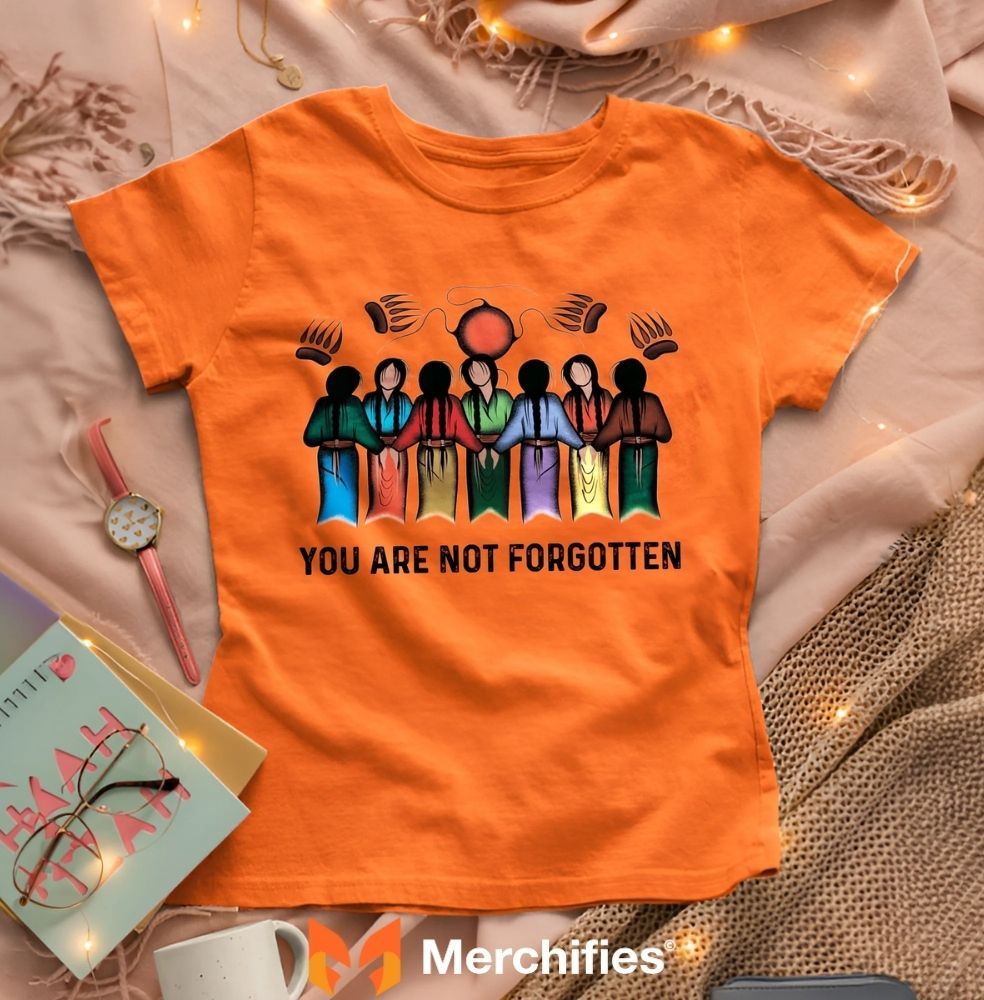
When you purchase from authentic Indigenous clothing brands, you directly contribute to the economic empowerment of artists and their communities. This ensures fair compensation for their invaluable work, talent, and traditional knowledge. It’s a vital mechanism for fostering cultural preservation, allowing traditional knowledge and artistic practices to be passed down through generations. Think of it as investing in living heritage.
Each design on an authentic Indigenous shirt often embodies specific tribal narratives, spiritual beliefs, or historical events. These aren't random patterns; they are visual languages, rich with meaning. Wearing or displaying such a garment provides a tangible link to ancestors and community, helping to keep ancient stories and identities alive and visible in the modern world.
For Indigenous peoples, wearing authentic garments is a powerful statement of identity, strength, and survival. It’s a proud reclamation and celebration of their enduring cultures despite historical challenges. For non-Natives, purchasing and wearing these items respectfully, with understanding and acknowledgment, offers an opportunity to show solidarity and genuine appreciation for the richness of Indigenous cultures.
The term "authentic" carries significant weight when discussing native heritage shirts and family tribal shirts. True authenticity is defined by several key factors:
The most fundamental aspect of authenticity is ensuring that 100% of the art on products is created by Native American artists. This guarantees that the designs come from within the culture, reflecting genuine understanding and connection. Brands like Native Northwest proudly state this commitment.
Authentic Indigenous clothing brands are typically founded, owned, and operated by members of specific tribes. This ensures that the profits recirculate within Indigenous communities and that business practices are guided by cultural values. Examples include Ginew (Oneida, Stockbridge-Munsee, Ojibwe), Trickster Company (Tlingit), and Emme Studio (Korina Emmerich – Coast Salish Territory).
Authentic items are often rooted in traditional methods, materials, or contemporary interpretations that respect and honor heritage. This could involve designs inspired by traditional quillwork or beadwork, or modern adaptations that maintain cultural integrity. The knowledge and skill required are often passed down through generations.
Reputable brands are transparent. They openly share artist names, tribal affiliations, and the specific stories or meanings behind their designs. This transparency builds trust and educates the consumer, allowing for a deeper appreciation of the item's cultural context.
It’s critical to differentiate authentic items from generic "tribal prints" or "Native-inspired" products often found in large retail chains. These items typically lack genuine connection, ethical sourcing, and provide no direct support to Indigenous creators, often profiting from cultural aesthetics without true engagement or benefit.
The designs and forms of native heritage shirts and family tribal shirts are rarely arbitrary. They are imbued with profound cultural significance and symbolism.
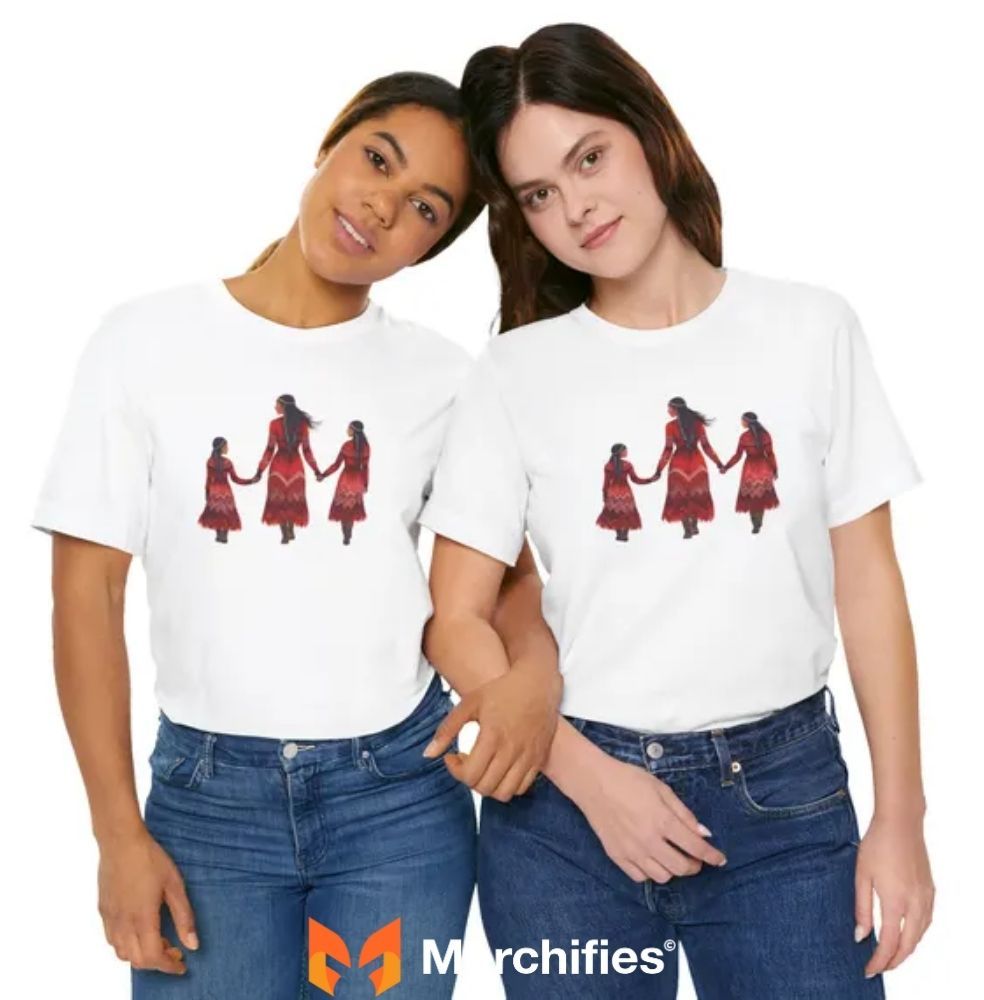
Ribbon skirts and shirts hold immense historical and spiritual importance for many Indigenous peoples across North America. They are worn in ceremonies, at powwows, community gatherings, and increasingly in daily life as a visible expression of identity.
Different tribal nations have distinct artistic traditions, each with unique motifs and meanings.
The meaning and stories embedded in these different artistic traditions are often deeply tied to creation stories, clan structures, and the natural world.
Beyond contemporary apparel, historical Indigenous garments like intricately beaded vests, war shirts adorned with quills and paint, and ceremonial dresses from specific tribes (as seen in collections like Cisco's Rare & Exceptional) offer invaluable insights into the artistry, spiritual practices, and social structures of past generations. They serve as a powerful reminder of the rich history of Indigenous fashion.
Navigating the world of culturally significant items requires a clear understanding of the difference between appreciation and appropriation. This distinction is critical for anyone interested in native heritage shirts or family tribal shirts.
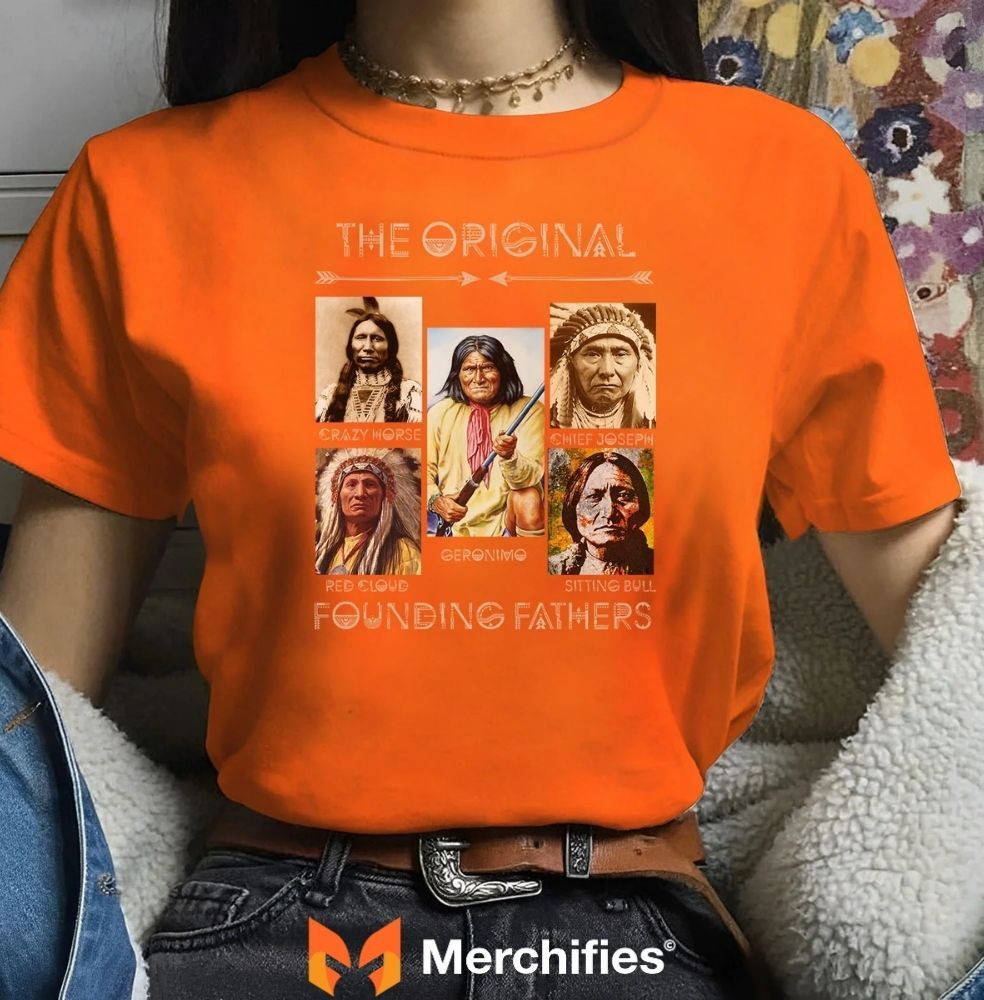
Cultural appropriation is the unacknowledged or inappropriate adoption of customs, practices, ideas, etc., of one people or society by members of another and typically more dominant people or society.
Cultural appreciation, on the other hand, involves engaging respectfully with a culture, seeking to understand and learn from it.
For those looking to acquire authentic native heritage shirts or family tribal shirts, making ethical choices is paramount. Here's how to ensure your purchase genuinely supports Indigenous communities:
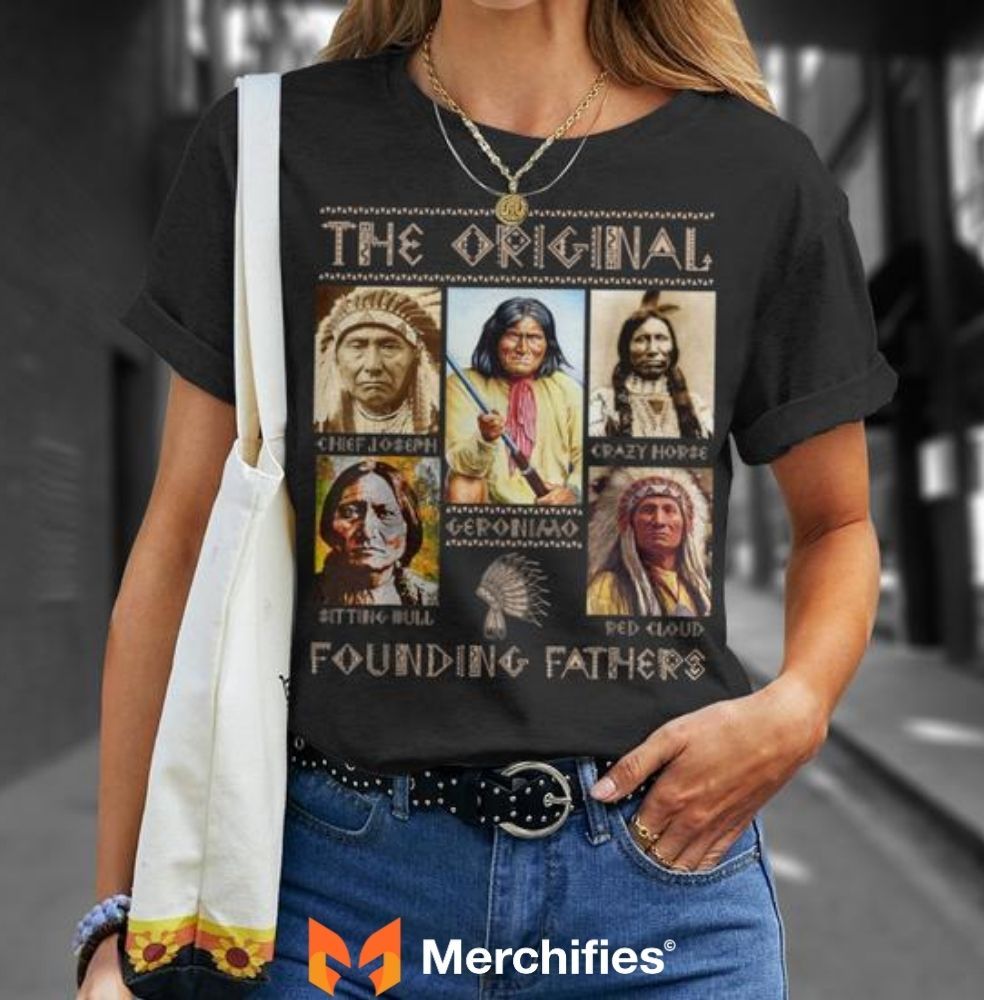
This is the most direct and impactful way to support. Seek out brands and artists where ownership and creative control reside within Indigenous hands. This ensures that the economic benefits directly empower the creators and their communities.
Genuine Indigenous brands are typically very transparent. Look for clear statements on their websites like "100% of art on our products is designed by Native American artists" (as seen with Native Northwest). They should also provide detailed artist bios, tribal affiliations, and brand stories that highlight Indigenous heritage and ethical practices. This information helps you verify authenticity and understand the cultural context.
Before purchasing, take a moment to research the brand or seller. Look for customer reviews, articles that feature them, and their stated commitment to fair trade, cultural integrity, and community engagement. A quick search can often reveal a brand's reputation and practices.
Be wary of large, generic retailers or online marketplaces that sell items labeled simply "tribal print" or "Native-inspired" without specific artist attribution or tribal connection. These usually signify mass-produced, inauthentic items that do not benefit Indigenous communities.
There are excellent online platforms and physical stores that specialize in authentic Indigenous art and crafts. These curated marketplaces often vet their sellers, ensuring authenticity and ethical sourcing. Look for Indigenous art fairs, cultural centers, and dedicated online shops.
To help you begin your journey, here are some exemplary Indigenous clothing brands that uphold cultural integrity and artistic excellence in their native heritage shirts and apparel:
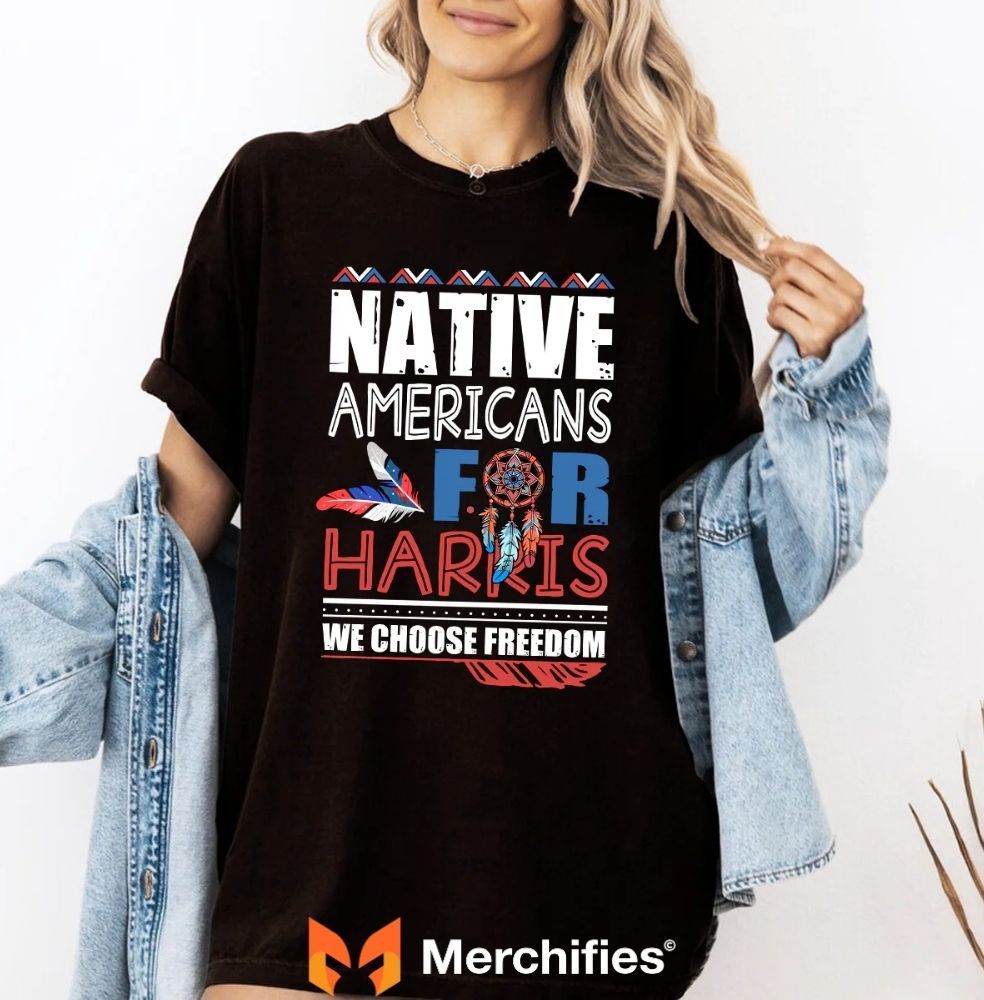
Native Northwest: This company offers a wide range of shirts and other products featuring designs exclusively by Native American and First Nations artists. You'll find pieces by talents like Paul Windsor (Haisla, Heiltsuk) and Corey Bulpitt (Haida), ensuring authenticity and direct support for these talented individuals.
Cisco's Rare & Exceptional: For those interested in historical and collectible pieces, Cisco's provides authentic Native American clothing, including intricately beaded vests, ceremonial war shirts, and traditional dresses from specific tribes and historical periods. These are often museum-quality items offering a glimpse into rich cultural history.
The concept of "family tribal shirts" can be deeply meaningful, but it must be approached with respect and cultural sensitivity.
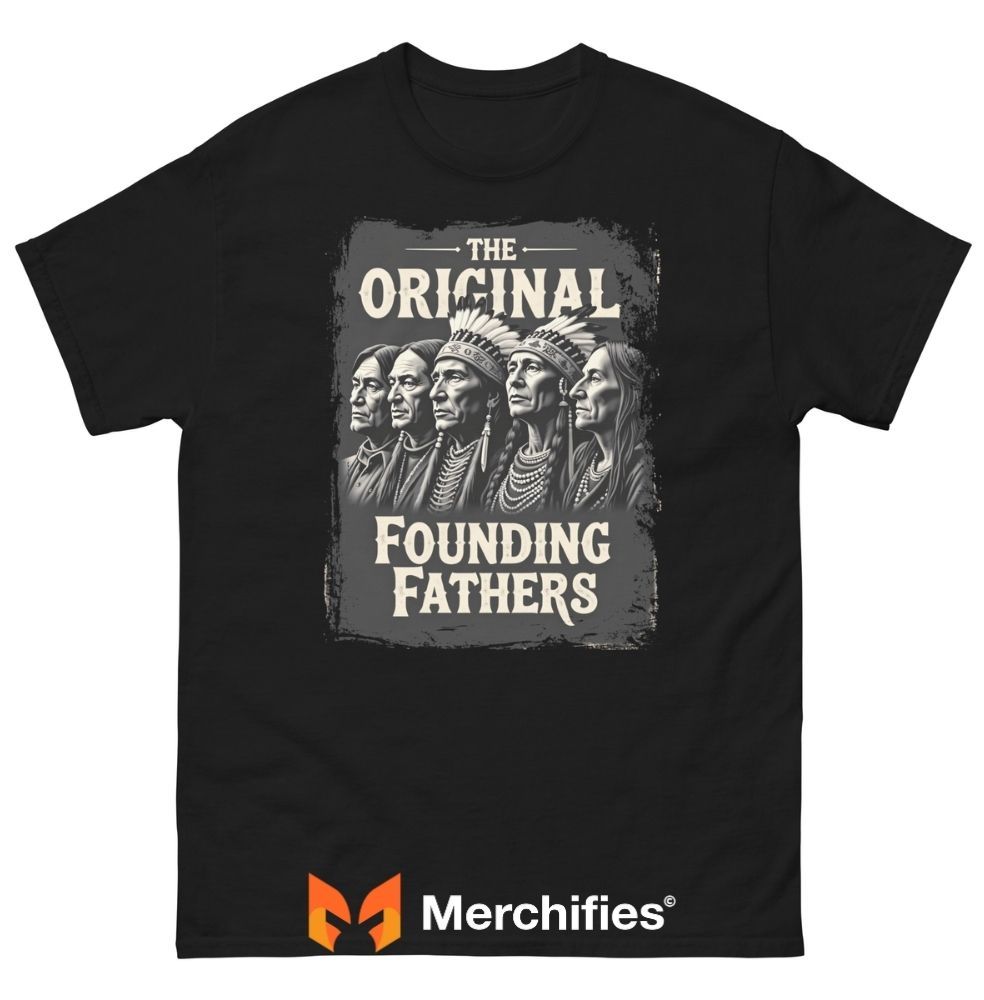
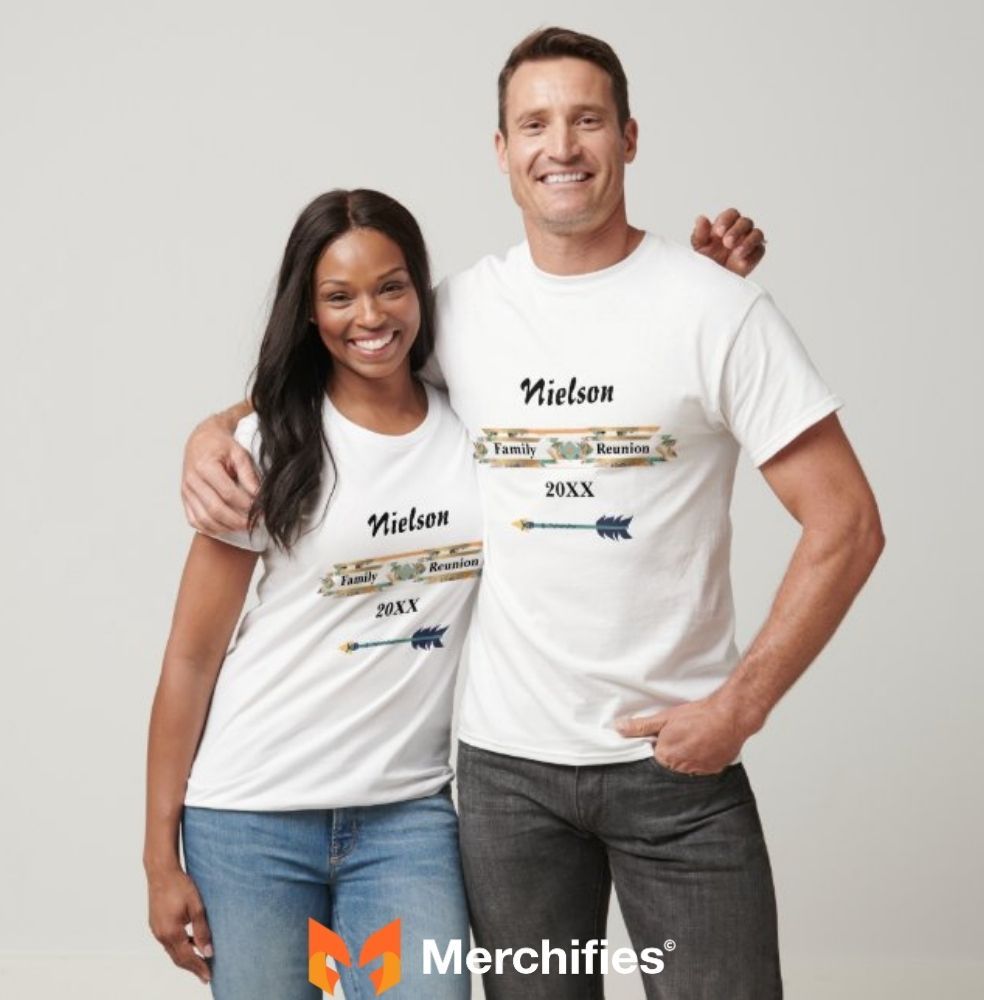
If you are Indigenous, the path is clear: focus on your specific family's tribal heritage, traditions, and stories. Consider creating designs that reflect your specific lineage and culture, perhaps incorporating traditional motifs or colors relevant to your nation. This is a powerful way to celebrate and maintain your own cultural identity.
If you are non-Indigenous, it is crucial to avoid creating "tribal" designs of your own. Such an act would constitute cultural appropriation. Instead, focus on celebrating your own family heritage. Every family has traditions, symbols, or stories that can be celebrated on apparel. If your desire is to show solidarity or appreciation for Indigenous culture, the respectful way to do so is to purchase authentic native heritage shirts directly from Indigenous creators, as outlined above.
For truly meaningful and respectful "family" shirts related to Indigenous heritage (and only if appropriate due to existing relationships or specific circumstances), consider commissioning an Indigenous artist. This ensures that any design is culturally appropriate, authentic, and directly supports an Indigenous creative. Such a collaboration would be an act of appreciation and partnership.
The journey to discover and embrace native heritage shirts and family tribal shirts is one that beautifully intertwines fashion with profound cultural meaning. As we've explored, these garments are more than just clothing; they are powerful tools for cultural connection, community support, and respectful appreciation.
This guide, curated by Evelyn Sage, aims to empower you to be an informed, thoughtful consumer. By actively seeking out and supporting Indigenous artists and businesses, you contribute not only to the vitality of ancient cultures but also to economic justice for Indigenous peoples. Every purchase of an authentic item is a step towards cultural preservation and a testament to enduring resilience. Wear with pride, purchase with purpose, and celebrate the rich tapestry of Indigenous artistry.
-d4c38c342cdf20ca.jpeg)


-b555fcc6b204c456.jpeg)