 Worldwide Shipping
 Secure Payments
 Free Return
 Local Support
-da0801079a650a2e.jpeg)
17 Year Anniversary Quotes: 110+ Funny, Romantic & Furniture Wishes (2026)
Mar, 12 2026
St. Patrick's Day is known worldwide for parades, shamrocks, and plenty of green, but the holiday has a fascinating history filled with surprising facts. From the real story of Saint Patrick to unusual traditions and myths about Ireland, there’s much more to the celebration than festive drinks and lucky charms. In this list of 20+ fun facts about St. Patrick’s Day, you’ll uncover interesting historical details, cultural traditions, and little-known stories that make the holiday even more intriguing. Whether you're celebrating with friends or simply curious about Irish culture, these facts will give you a fresh perspective on this beloved global celebration.
St. Patrick's Day is a vibrant spectacle of green, shamrocks, and cheerful parades, celebrated by millions worldwide. But how much do we truly know about this beloved holiday? Beyond the festive façade lies a rich tapestry of history, surprising origins, and fascinating traditions that go far deeper than a pint of green beer. As a lifestyle writer and American traditions content curator, Benjamin Clarke has spent years exploring how holidays like St. Patrick's Day shape the ways people gather and connect. He believes these celebrations are more than just dates on a calendar; they represent shared values, history, and community. In this article, Benjamin Clarke shares insights into the fascinating journey of St. Patrick's Day, unveiling fun facts about Saint Patrick's Day that will surprise even the most avid celebrants. Get ready to discover the authentic stories and unexpected twists behind this global green phenomenon.
When we think of St. Patrick, an image of a devout Irishman banishing snakes often comes to mind. Yet, the true story of Saint Patrick is far more complex and, frankly, more intriguing. These tidbits offer a fresh perspective on the man whose feast day we celebrate.
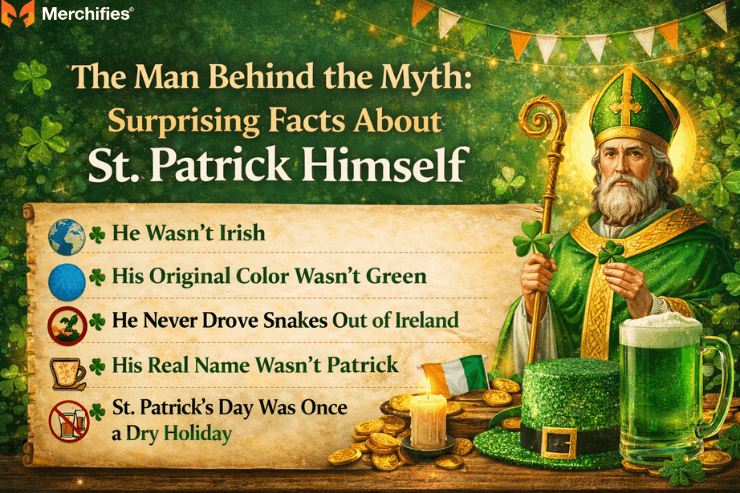
It's one of the most surprising fun facts about Saint Patrick's Day: St. Patrick wasn't actually born in Ireland. His given name was Maewyn Succat, and he was born in Roman Britain, likely in the late 4th century. As Benjamin Clarke often points out in his work on cultural traditions, many iconic figures have origins far removed from where they made their greatest impact. He was captured by Irish pirates as a teenager and enslaved in Ireland for six years before escaping back to Britain. His return to Ireland as a missionary was a testament to his profound spiritual calling.
Before the sea of green we see today, the color originally associated with St. Patrick was blue, specifically a lighter shade known as "St. Patrick's Blue." This color was prominently featured on the Irish flag during the 17th century. So, when did green take over? It gained prominence in the 18th century during the Irish Rebellion, as a symbol of nationalism and the island’s lush landscape, earning it the nickname "Emerald Isle." This transformation of color is a prime example of how traditions evolve over time.
One of the most enduring myths surrounding St. Patrick is that he single-handedly drove all the snakes from Ireland. The scientific fun fact about Saint Patrick's Day is that Ireland never had native snakes to begin with! Geologists confirm that the island, isolated since the last Ice Age, never formed a land bridge that would allow snakes to migrate. This popular legend is largely symbolic; the "snakes" St. Patrick supposedly banished likely represented paganism or druidic religions, which he helped to convert the Irish from during his missionary work.
As mentioned, St. Patrick was born Maewyn Succat. The name "Patrick" (or Patricius) was a name he adopted later, after becoming a priest. It’s derived from the Latin word for "father" or "nobleman." This common practice in early Christianity reflects a spiritual rebirth and a new identity aligned with their mission. It’s a fascinating detail that adds another layer to his personal journey.
Believe it or not, for much of the 20th century, St. Patrick's Day in Ireland was a solemn, religious observance. As a feast day during Lent, Irish law mandated that pubs and bars be closed on March 17th. This meant no celebratory pints of Guinness until the law was finally repealed in the 1970s. This shift highlights the evolution from a purely religious day to a more secular and celebratory cultural event, a common trend Benjamin Clarke observes in many holiday narratives.
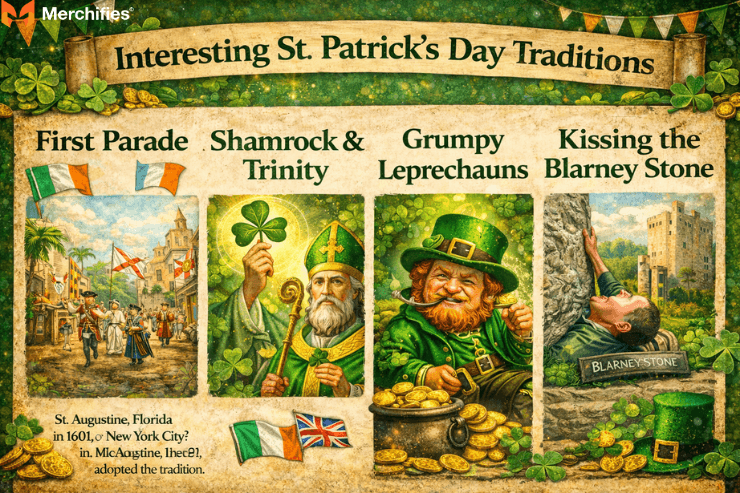
The way we celebrate St. Patrick's Day today is a blend of ancient customs and more modern inventions, each adding to its unique charm. Understanding their origins provides another layer of fun fact about Saint Patrick's Day.
While Dublin now hosts an iconic parade, the very first recorded St. Patrick's Day parade didn't happen on the Emerald Isle. Historians debate between St. Augustine, Florida, in 1601 (led by an Irish vicar) and New York City in 1762 (by Irish soldiers serving in the British army). These early American celebrations were driven by Irish immigrants and soldiers celebrating their heritage abroad, marking a significant step in the holiday's global spread and reinforcing a sense of community far from home.
The shamrock, a three-leaf clover, is perhaps the most recognizable symbol of St. Patrick's Day. Legend has it that St. Patrick used the shamrock to explain the concept of the Holy Trinity (Father, Son, and Holy Spirit) to the pagan Irish. Its simple yet powerful symbolism made it an effective teaching tool and an enduring emblem of Irish identity. It’s important to note it’s a three-leaf clover, not a four-leaf one associated with general luck.
Today's friendly, mischievous leprechauns found on greeting cards and cereals are a far cry from their original folkloric depictions. Early Irish tales portrayed "lobaircin" (meaning "small-bodied fellow") as solitary, grumpy, shoemaking fairies guarding hidden pots of gold. They were often ill-tempered and tricksters, not the benevolent figures we often imagine. This transformation reflects how cultural stories adapt over time, often for more widespread appeal.
While the Blarney Stone is famously located in Blarney Castle, County Cork, Ireland, the tradition of visitors kissing it to gain the "gift of gab" largely gained traction and popularity through American tourism. Travelers would journey to Ireland specifically for this quirky ritual, turning a local legend into an internationally recognized tourist attraction. It’s a classic example of cultural exchange shaping traditions.
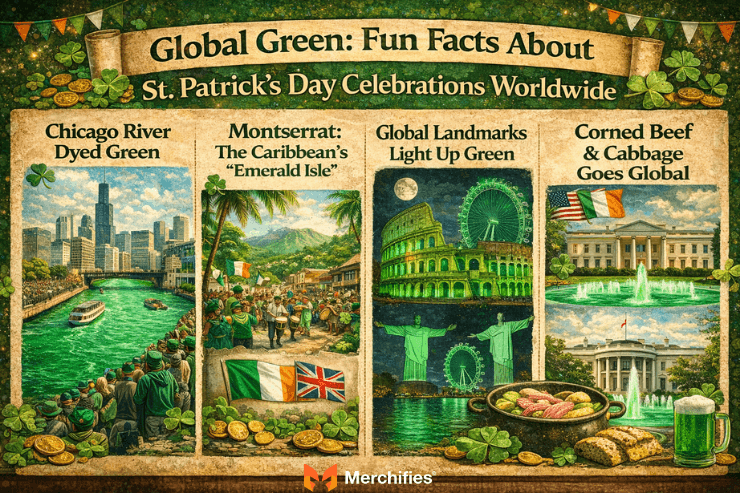
St. Patrick's Day has transcended its Irish roots to become a truly global phenomenon, celebrated with unique customs in unexpected corners of the world. These global fun facts about Saint Patrick's Day illustrate its widespread appeal.
One of the most striking and famous St. Patrick's Day traditions outside of Ireland takes place in Chicago, where the Chicago River is dyed an emerald green. This tradition began in 1962 and uses an eco-friendly vegetable dye that turns the river green for several hours. It’s a spectacular sight and a testament to the city's proud Irish-American population and their innovative ways of celebrating.
This small Caribbean island holds a unique distinction: Montserrat is the only country outside of Ireland where St. Patrick's Day is a public holiday. Its rich history includes a significant influx of Irish settlers in the 17th century, making it a vibrant cultural blend. The holiday here commemorates both St. Patrick’s feast day and a slave rebellion that occurred on the island on March 17, 1768, intertwining heritage and freedom.
Each year, iconic landmarks across the globe participate in Tourism Ireland's "Global Greening" initiative, turning green in honor of St. Patrick's Day. From the Sydney Opera House to the Colosseum in Rome, the London Eye, and even the Christ the Redeemer statue in Rio de Janeiro, this global effort showcases the universal appeal and recognition of Irish culture. It's a powerful visual demonstration of worldwide community connection, something Benjamin Clarke finds particularly inspiring.
Many Americans associate St. Patrick's Day with a meal of corned beef and cabbage. However, this is largely an Irish-American adaptation. In Ireland, the traditional meat would have been ham or bacon, as beef was historically expensive. Irish immigrants in America, seeking a cheaper alternative, adopted corned beef from their Jewish neighbors in New York City. This dish is a delicious fun fact about Saint Patrick's Day that truly highlights the fusion of cultures.
In a tradition started by President Dwight D. Eisenhower in 1956, the White House dyes its North Fountain green in celebration of St. Patrick's Day. This symbolic gesture reflects the strong diplomatic ties between the United States and Ireland and acknowledges the significant contributions of Irish Americans to the nation's history and culture.
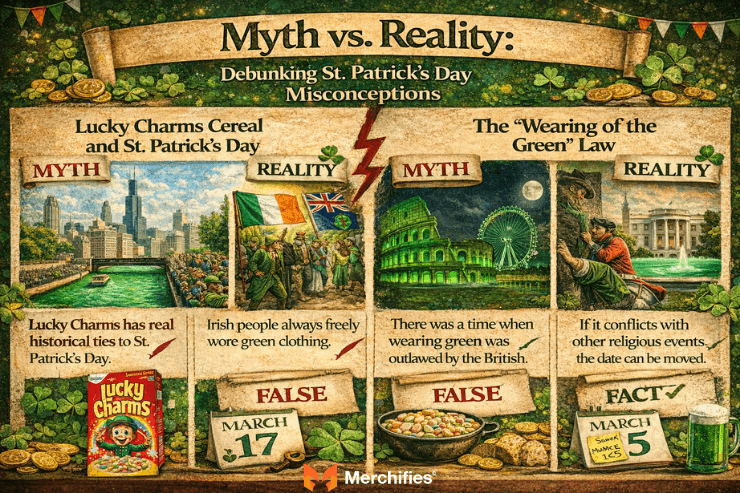
Part of the joy of exploring traditions, as Benjamin Clarke often discusses, is separating fact from fiction. Many popular beliefs about St. Patrick's Day are rooted in myth, not historical truth.
While the cereal Lucky Charms features a leprechaun mascot and marshmallow shapes like shamrocks and pots of gold, it has no direct historical or traditional tie to St. Patrick's Day. It's a marketing creation that leverages popular Irish imagery for commercial appeal. It's a fun, albeit modern, interpretation of Irish themes.
It might sound counterintuitive given today's celebrations, but there was a period in Irish history when wearing green was actually outlawed by the British. During times of rebellion and political unrest, wearing green was seen as a symbol of Irish nationalism and defiance, leading to suppression. This historical detail underscores the powerful symbolism of the color beyond mere festivity.
While March 17th is St. Patrick's Day, it's not always celebrated on that exact date by the Catholic Church. If March 17th falls on a Sunday during Lent, or even during Holy Week, the feast day can be moved by the Church to avoid conflicting with a more somber religious observance. This ensures the integrity of the Lenten calendar, revealing the holiday's deep religious roots.
From a British-born missionary to a global spectacle of green, the story of St. Patrick's Day is far richer and more nuanced than many realize. These fun facts about Saint Patrick's Day not only entertain but also offer a deeper appreciation for the complex interplay of history, culture, and tradition that has shaped this beloved holiday.
Understanding these origins and evolutions truly enhances the celebration, reminding us of the shared values and community connection that holidays bring. This article, crafted by Benjamin Clarke, aims to empower you with fascinating insights and conversation starters for your next St. Patrick's Day gathering. So, as you don your green attire and raise a toast, remember the surprising truths behind the traditions.
Happy St. Patrick's Day! Share your favorite new fact in the comments below! What other holidays have surprising histories you'd love to learn more about?
-d4c38c342cdf20ca.jpeg)


-b555fcc6b204c456.jpeg)