-da0801079a650a2e.jpeg)
17 Year Anniversary Quotes: 110+ Funny, Romantic & Furniture Wishes (2026)
Mar, 12 2026
Discover top summer programs for high school students organized by goal, cost, and competitiveness. Includes late-summer 2026 options and 2027 planning deadlines to help you find the right fit.
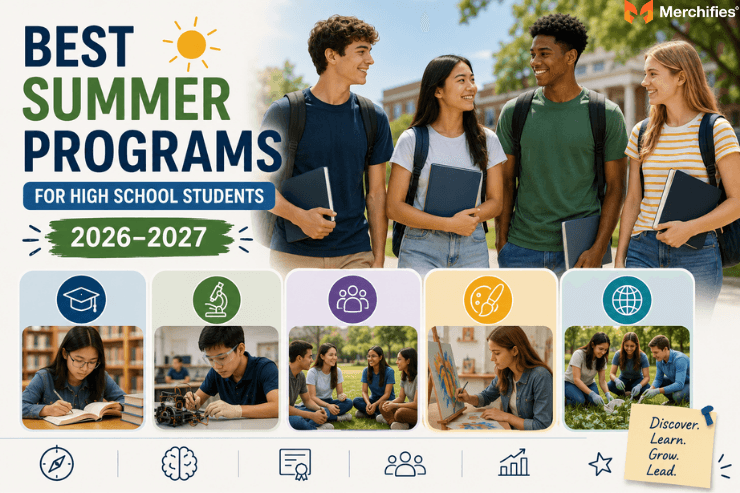
The best summer programs for high school students in 2026-2027 range from free local opportunities to competitive Ivy League intensives—and the right choice depends entirely on your goals, budget, and timeline.Whether you're a student researching options or a parent helping your teen navigate decisions, this guide organizes programs by what you actually want to achieve: college prep, STEM research, arts training, leadership development, or career exploration. Since we're now in mid-2026, most competitive summer 2026 deadlines have passed—but rolling-admission programs remain open, and 2027 applications launch this fall.
Quick overview of summer programs for high school students:
College prep programs: earn credits, test-drive majors, experience campus life
STEM and research: mentored lab work, original projects, science competition prep
Arts and humanities: portfolio building, conservatory training, creative skill development
Free options exist: Bank of America, QuestBridge, Google CSSI, and local library programs
Summer programs for high school students are structured enrichment experiences—academic, creative, or vocational—that run during school breaks and offer learning beyond the classroom.These programs range from week-long workshops to six-week residential intensives. Some grant college credit. Others focus on skill-building, networking, or career sampling. The formats vary widely: residential stays on college campuses, day programs at local institutions, virtual options with live instruction, and internship-style placements with real organizations.
The core benefits are concrete. Strong summer programs boost college applications by demonstrating initiative and intellectual curiosity. They let students explore potential majors before committing. They build hard skills—coding, lab techniques, portfolio pieces—and soft skills like collaboration and time management. Perhaps most valuable: they connect students with peers who share their interests and mentors who can write future recommendations.
This guide covers multiple program types, selectivity levels, and both late-summer 2026 rolling options plus 2027 planning timelines. If you're researching now, you still have actionable next steps regardless of where you are in the process.
Matching program type to your actual goal is the single most important decision—not prestige, not location, not what your friend is doing.Here's how different program categories serve different objectives:
College prep programslet you earn transferable credits, experience dorm life, and test-drive potential majors. If you're unsure whether you want to study economics or engineering, spending two weeks in each classroom environment reveals more than any brochure. These programs also let admissions officers see that you've already succeeded in college-level coursework.
STEM and research programsprovide lab access, faculty mentorship, and project-based learning you can't replicate in a high school classroom. For students targeting competitive science fairs or future research careers, these build both skills and credentials. The best ones result in publications or presentations you can reference in applications.
Arts and humanities programsfocus on portfolio building and conservatory-style training. If you're applying to art schools, film programs, or writing concentrations, these summers produce tangible work samples. They also connect you with instructors who understand admissions in creative fields.
Leadership and community service programsoffer volunteer hours, social impact projects, and soft skills that complement academic achievements. Admissions officers value students who demonstrate they can lead and contribute—not just achieve individually.
Career exploration programsinclude internships, job shadowing, and industry exposure. For students who haven't narrowed their interests, spending a summer sampling different fields beats guessing.

The most prestigious pre-college programs offer genuine academic rigor and selective cohorts—but they also carry premium price tags and competitive admissions.Here are standout options for summer programs for high school students focused on college readiness:
Harvard Pre-College Program:Two-week intensive with college-level coursework and residential options. Selectivity is competitive; expect costs around $5,000-$6,000. The experience includes Harvard faculty and access to campus resources.
Stanford Summer Session:Open-enrollment courses allow high schoolers to take actual Stanford classes for credit. Selectivity is moderate since it's enrollment-based rather than application-based. Costs range from $3,000-$10,000 depending on units selected.
Yale Young Global Scholars:Interdisciplinary seminars with a global student cohort. The program emphasizes discussion-based learning across multiple academic disciplines. Selectivity is competitive; tuition runs approximately $6,500 with need-based aid available.
Brown Pre-College:Offers flexible session lengths and over 300 courses across subjects. Selectivity is moderate. Costs range from $3,000-$12,000 depending on session length and residential status.
The honest trade-off: if you want name-brand prestige, you'll need to budget accordingly or apply for financial aid early. Many of these programs offer substantial need-based aid covering 50-100% of costs—but you must apply for it separately and early. For summer 2026, most sessions have concluded or filled. Focus now on 2027 applications, which typically open October-November 2026.
Fully funded summer programs exist at every selectivity level—the catch is that free often means highly competitive.Don't assume cost correlates with quality. Some of the most rigorous summer programs for high school students cost nothing.
Bank of America Student Leaders Program:Paid internship with a nonprofit plus leadership conference. Fully funded with a stipend. Selectivity is competitive; ideal for civic-minded students interested in community impact.
ARISE at NYU:Free STEM research program for eligible students. Location-restricted to NYC-area applicants. Competitive admissions, but the mentored research experience rivals paid alternatives.
Google Computer Science Summer Institute:Free, application-based intensive for students interested in CS. Competitive selection, but participants gain direct exposure to Google's culture and instruction.
QuestBridge College Prep Scholars:Free programming specifically for high-achieving, low-income students. The network extends beyond summer into college application support and scholarship opportunities.
Local options:Libraries, community colleges, and nonprofits run low-cost or free programs that rarely appear on "best of" lists but provide genuine value. Open enrollment means accessibility—no competitive application required.
Note that eligibility requirements (location, income, GPA) vary significantly. Research early and apply to multiple options across selectivity tiers.
Research programs offer the deepest skill-building and strongest credential signals for STEM-focused students—but the top ones accept a fraction of applicants.
Research Science Institute (RSI) at MIT:Free and highly prestigious. Participants conduct original research alongside MIT faculty. Acceptance rates hover in single digits. Very competitive.
Summer Science Program (SSP):Tracks in astrophysics, biochemistry, or genomics. Tuition is approximately $7,000, but full financial aid is available. Competitive, with a focus on collaborative research.
Simons Summer Research Program:Mentored research at Stony Brook University with a stipend provided. Competitive admissions. Students work one-on-one with faculty on ongoing research projects.
Local university programs:Many state universities offer summer research experiences for high schoolers. These receive fewer applicants than national programs but provide similar skill development. Check your state's flagship institutions.
Virtual STEM programs:More accessible for students without travel flexibility or budget. Look for programs with live instruction, mentorship, and project-based work rather than passive video content.
The best summer program is the one that matches your actual goals—not the one with the most impressive name.Use these criteria to filter options:
First, define your objective clearly. Do you want college credit? Portfolio pieces? Research experience? Volunteer hours? Career sampling? Each requires different program types. A visual artist gains nothing from an economics pre-college program, no matter how selective.
Second, set a realistic budget before falling in love with expensive options. Many prestigious programs offer need-based aid, but you must research and apply for it. If budget is tight, prioritize free programs—they exist at high quality levels.
Third, evaluate time commitment honestly. Can you commit to six weeks residential? Or does a one-week virtual intensive fit your summer better? Consider family obligations, jobs, and other commitments.
Fourth, apply strategically across selectivity tiers. If you only apply to competitive programs, you risk ending up with nothing. Include moderate and open-enrollment options as backups.
Fifth, stay organized. Students juggling multiple applications often miss deadlines or submit incomplete materials. Tracking deadlines, requirements, and essay drafts in a personalized planner or custom notebook helps manage the process without details slipping through cracks. Merchifies carries customizable planners designed for exactly this kind of multi-deadline tracking.
Consider building your research and organization skills early—ourback-to-school guidecovers tools and habits that transfer directly to application management.
Since we're in July 2026, most competitive summer 2026 programs have closed—but actionable opportunities remain.
For summer 2026 (right now):Focus on rolling-admission programs still accepting applications. Community college courses, virtual programs, local library workshops, and some nonprofit internships continue accepting students through July and August. These won't have the prestige of competitive programs, but they provide real skill development and demonstrate initiative.
For summer 2027:Most competitive programs open applications in October-November 2026, with deadlines spanning January through March 2027. The most selective programs (RSI, SSP) close earliest. Start gathering materials now:
Request recommendation letters from teachers before school ends or early in fall semester
Order transcripts so they're ready when applications open
Draft essay responses for common prompts—most programs ask similar questions about goals and interests
Research financial aid deadlines, which sometimes precede application deadlines
Apply to multiple programs across selectivity tiers. Putting all your effort into one reach program risks ending up with nothing. Many programs have rolling admissions where applying early improves acceptance odds.
Track every deadline in one place. Missed deadlines are the most common and preventable application failure. Students who succeed typically use dedicated planners to avoid overlapping requirements.
The right summer program doesn't have to be the most famous one. It has to match what you're trying to accomplish—and you have to actually get in. Start with your goals, filter by realistic constraints (budget, time, location), and apply broadly across selectivity levels. If you're a parent researching for your teen, involving them in the process builds ownership and investment in the outcome.
For students still organizing their search, Merchifies personalized planners and custom notebooks—available in styles from minimalist to academic—help turn scattered deadlines into manageable systems. Browse the collection to find an organizational tool that matches how you actually work.
-d4c38c342cdf20ca.jpeg)


-b555fcc6b204c456.jpeg)